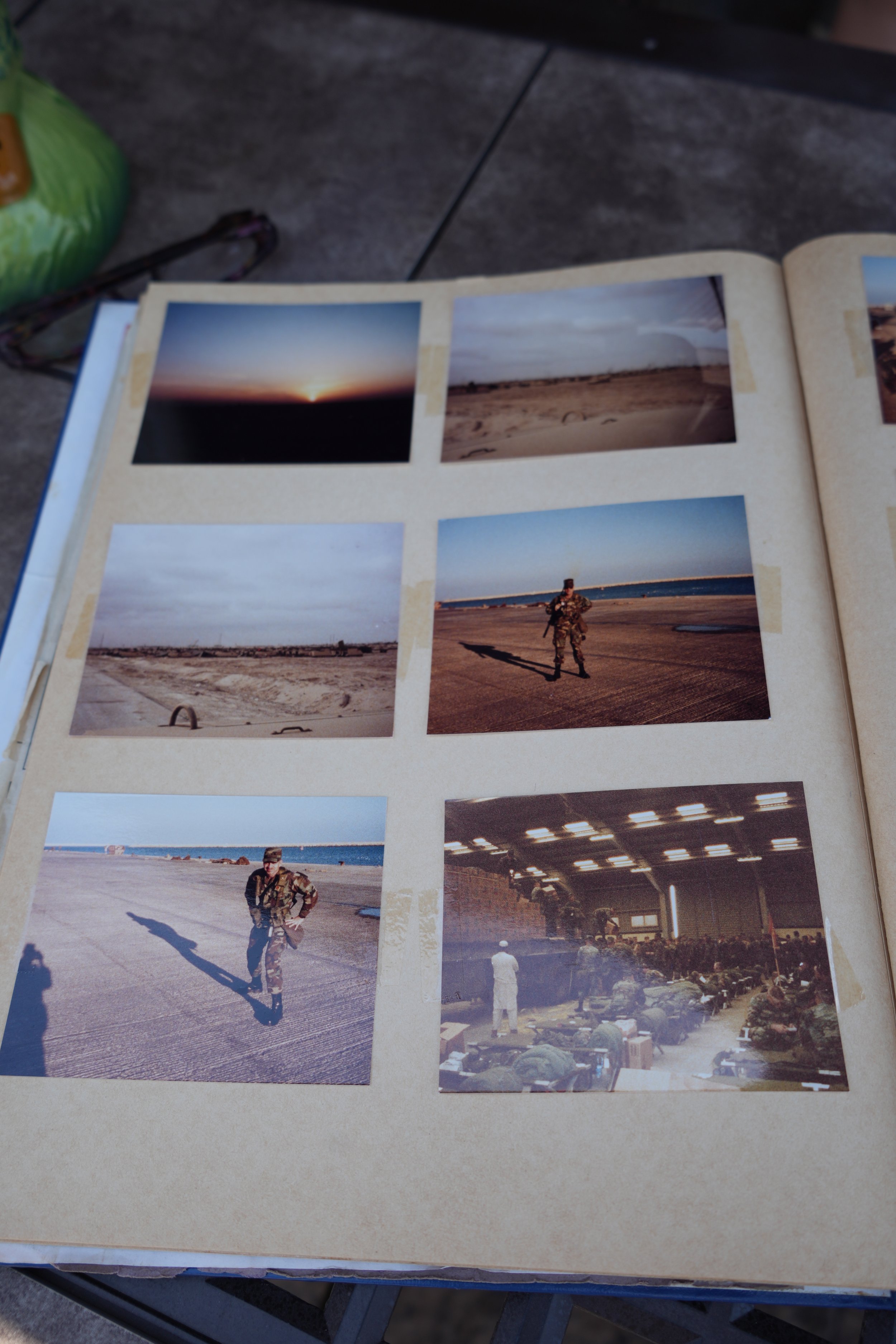
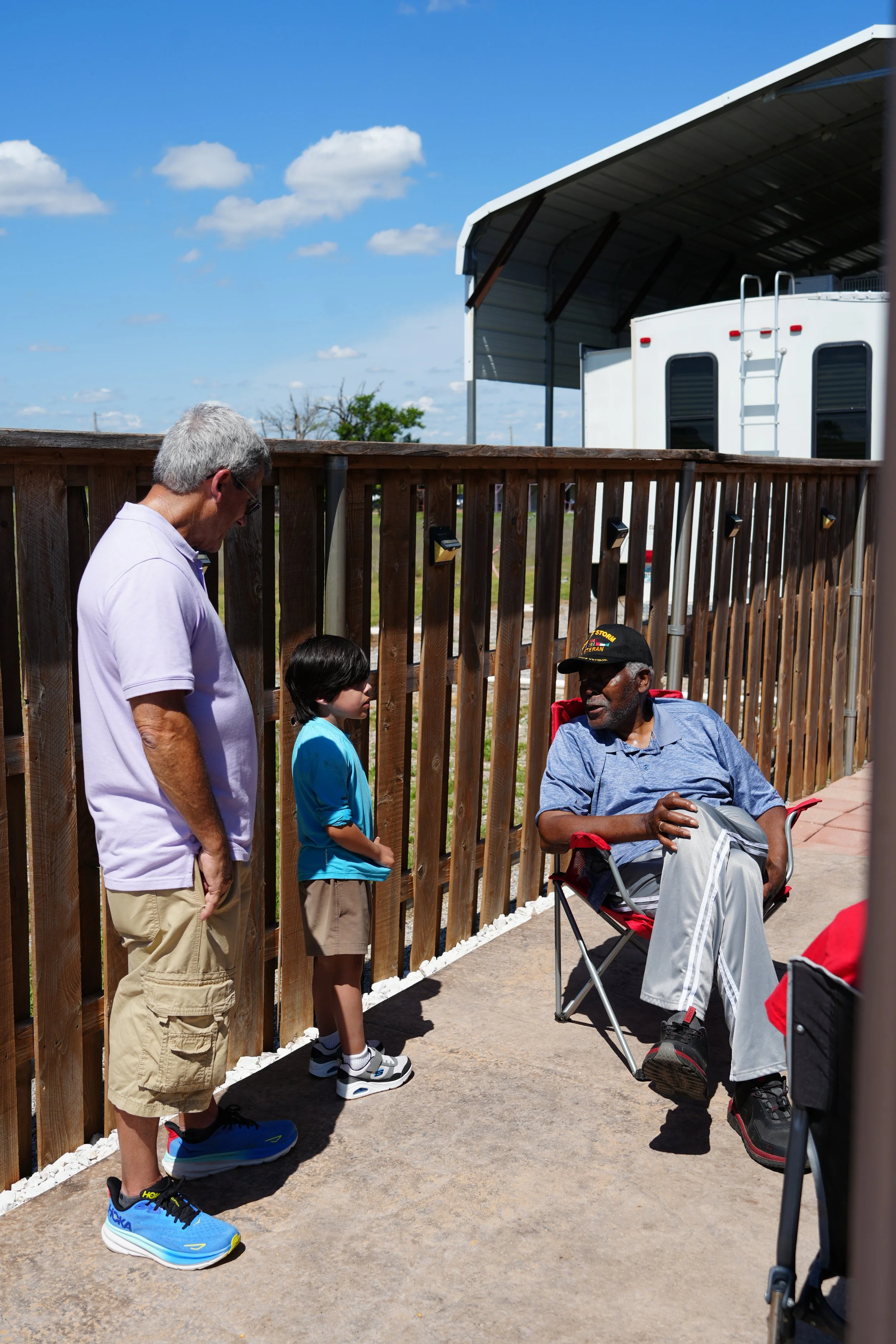
Honoring the Iron Rockets: A Desert Storm Reunion at Fort Sill, Oklahoma
By Ana Cruz - Founder & Chief Editor
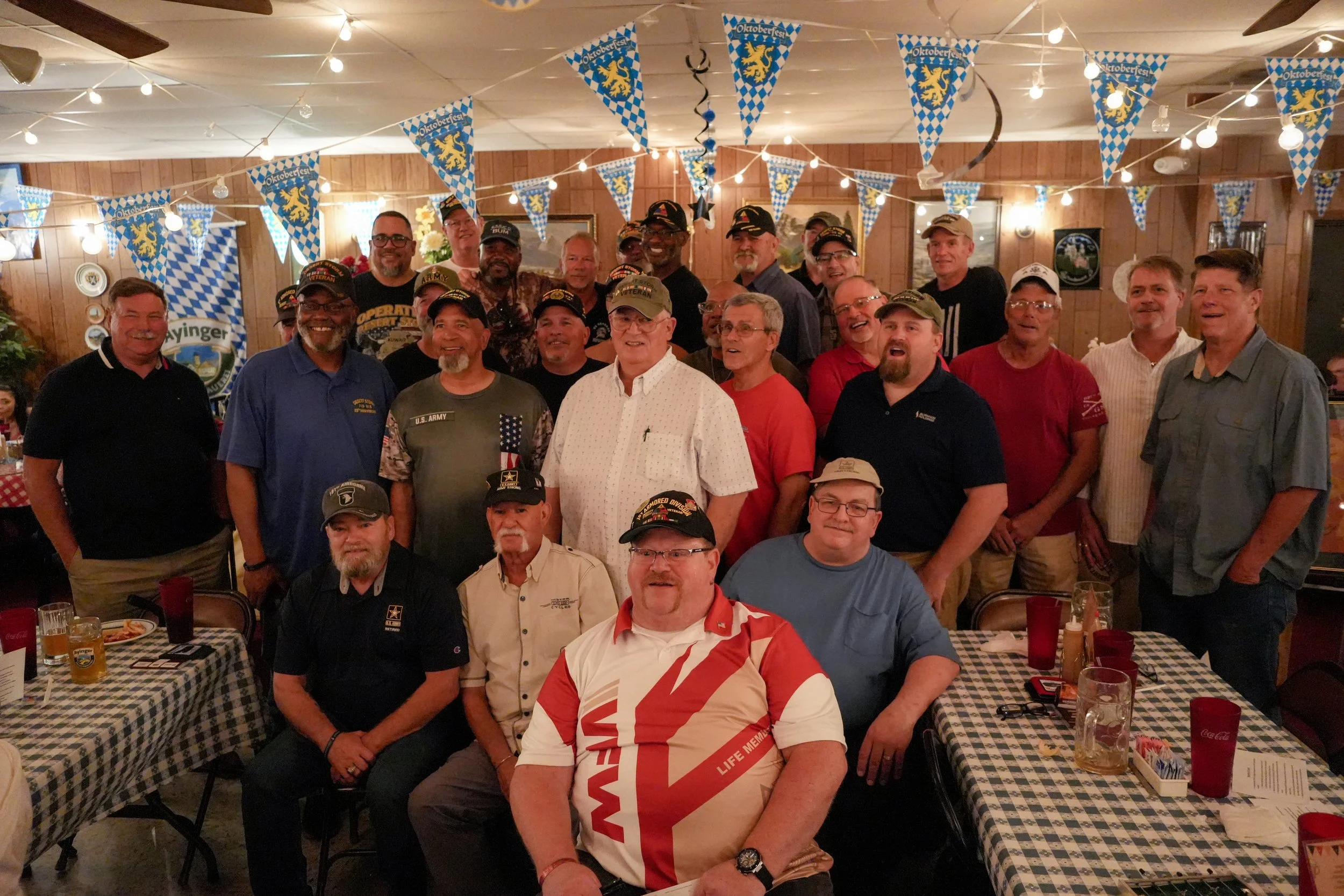
This Memorial Day weekend, our family traveled to Fort Sill, Oklahoma, to accompany my father-in-law, Ron Hollingsworth, to the 35th reunion of his Desert Storm brothers.
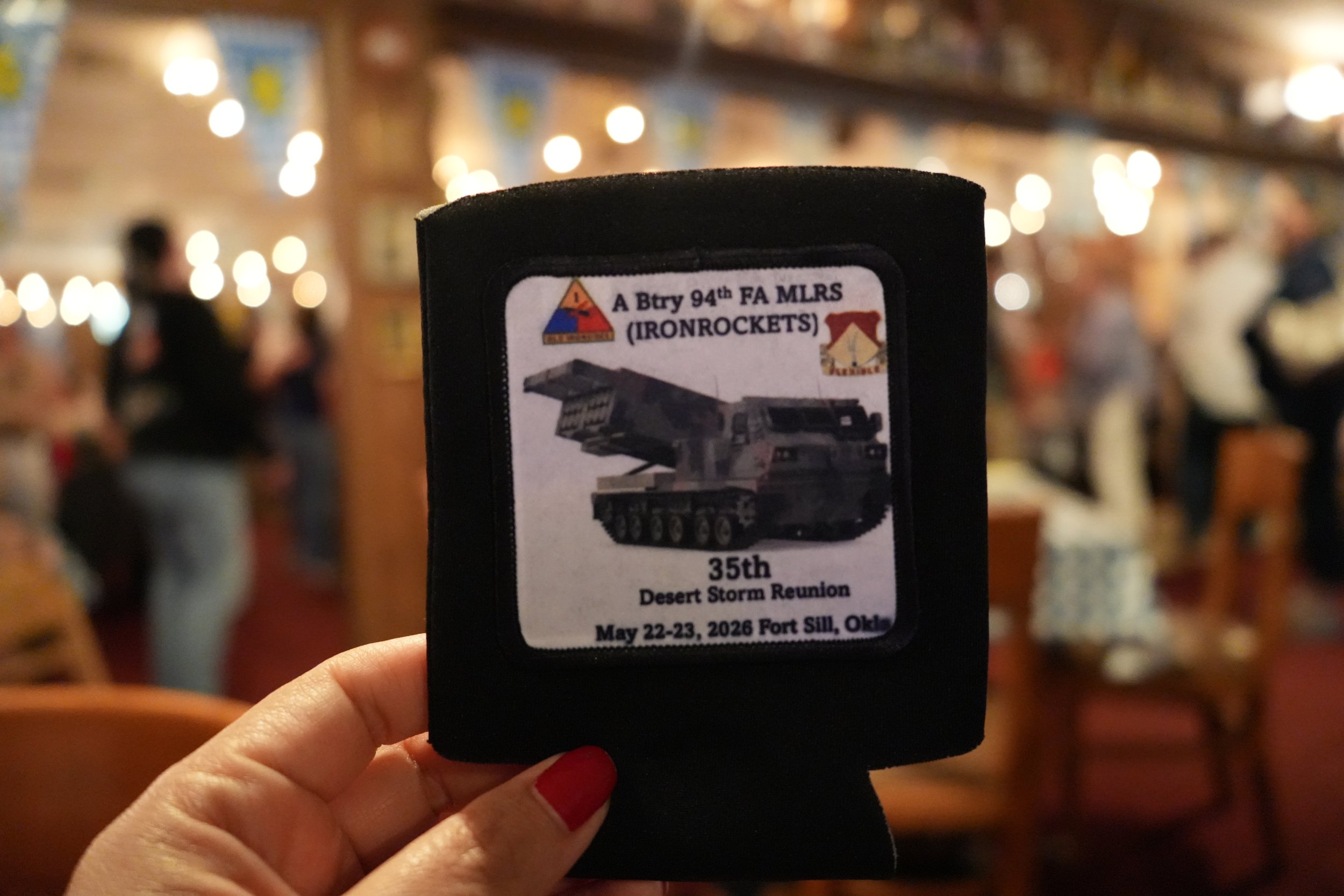
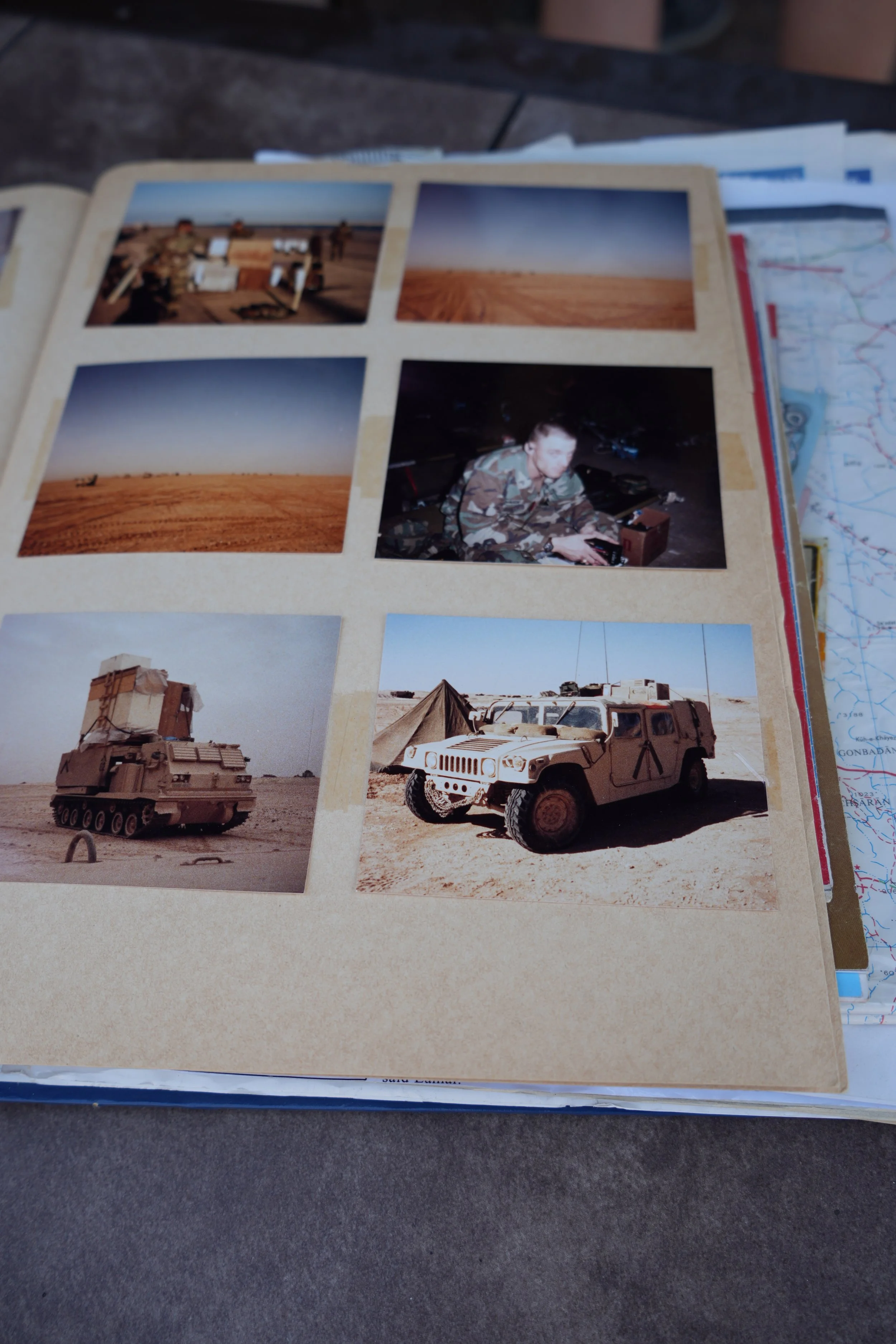
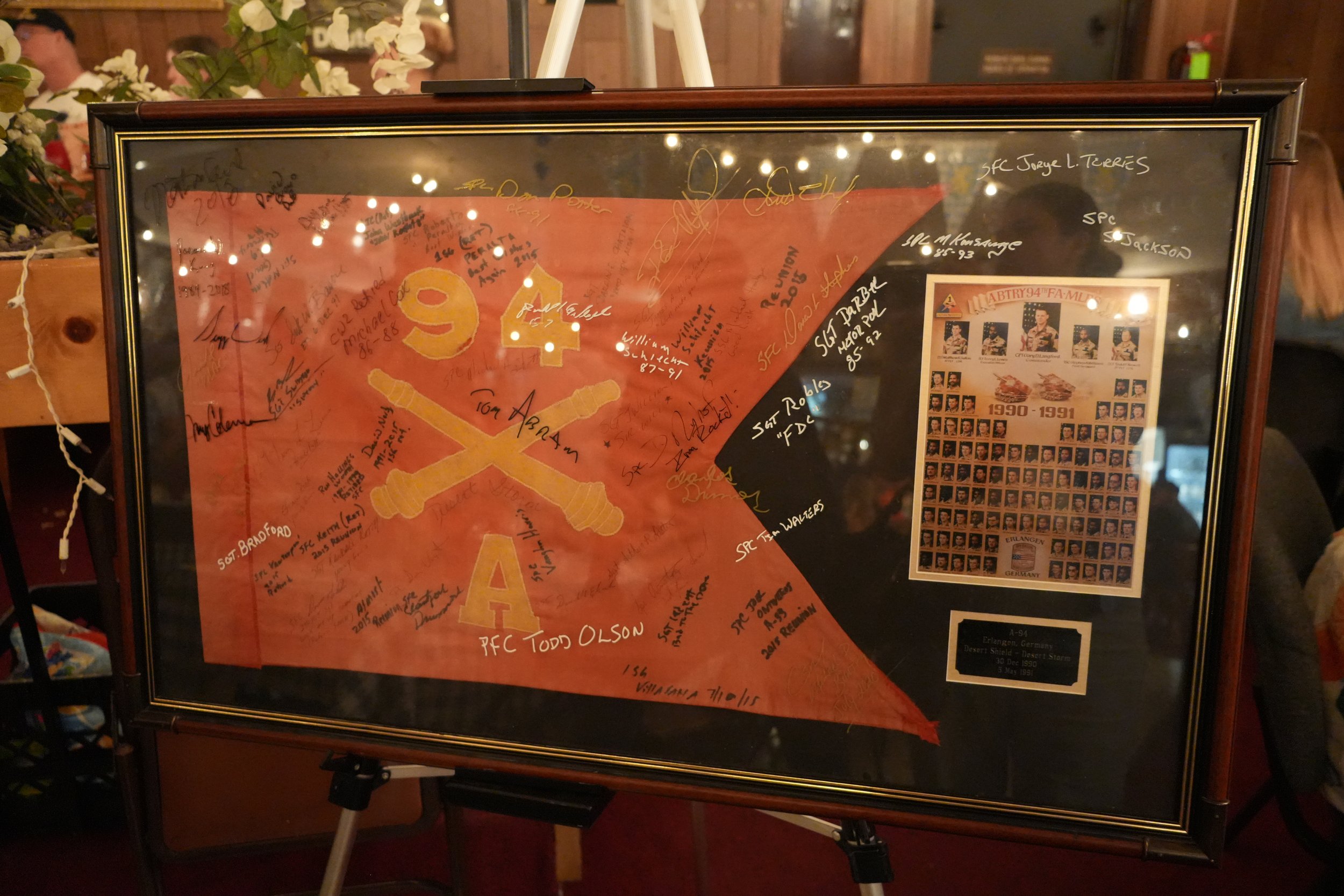
They served together in A Battery, 94th Field Artillery MLRS, proudly known as the Iron Rockets. This specific group had been stationed in Erlangen, Germany, before being called to combat during the Gulf War. From December 1990 to May 1991, these men left behind their homes, routines, and families to answer a call that would forever mark their lives.
For many of us who did not live through that moment in history as soldiers, wars can sometimes feel like dates in a textbook or headlines from the past. But sitting across the table from the men who were there changes everything.
Their stories are not abstract. They are human. They are filled with courage, uncertainty, physical endurance, mental strength, and the kind of ingenuity that only appears when ordinary people are placed in extraordinary circumstances.
What Was Operation Desert Storm?
Operation Desert Storm was the combat phase of the Gulf War. It began in January 1991 after Iraq, led by Saddam Hussein, invaded and annexed Kuwait in August 1990. The United States joined a broad international coalition with the goal of liberating Kuwait and pushing Iraqi forces out of the country.
Before Desert Storm, there was Operation Desert Shield, the months-long buildup of coalition forces in the region. That phase focused on defending Saudi Arabia and preparing for the possibility of combat. Desert Storm followed with an intense air campaign and then a short but decisive ground offensive that helped expel Iraqi forces from Kuwait.
The Department of Defense records Operation Desert Storm as taking place from January 17 to February 28, 1991. The larger Gulf War period included the buildup, deployment, combat operations, and aftermath that affected hundreds of thousands of service members and their families.
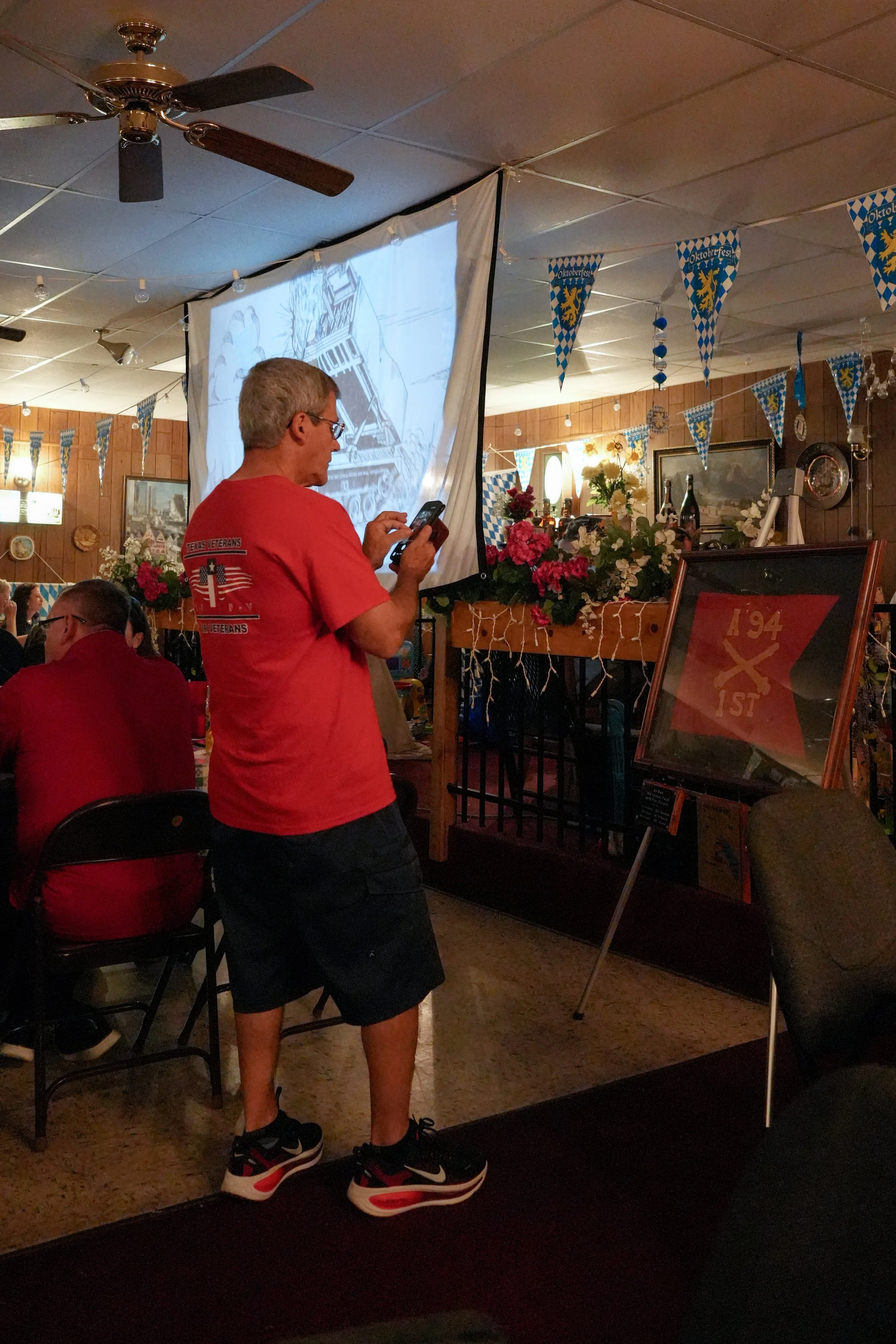
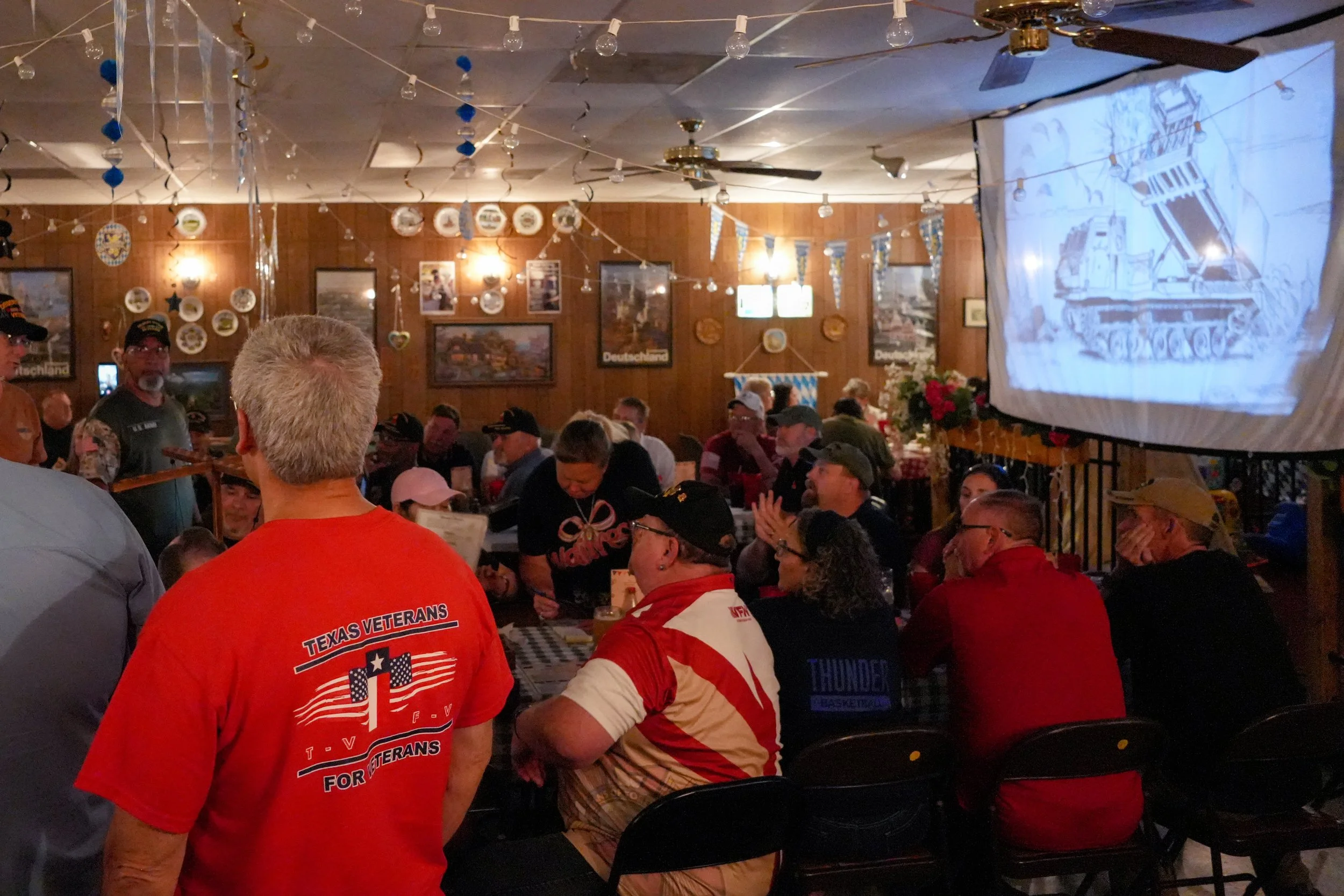
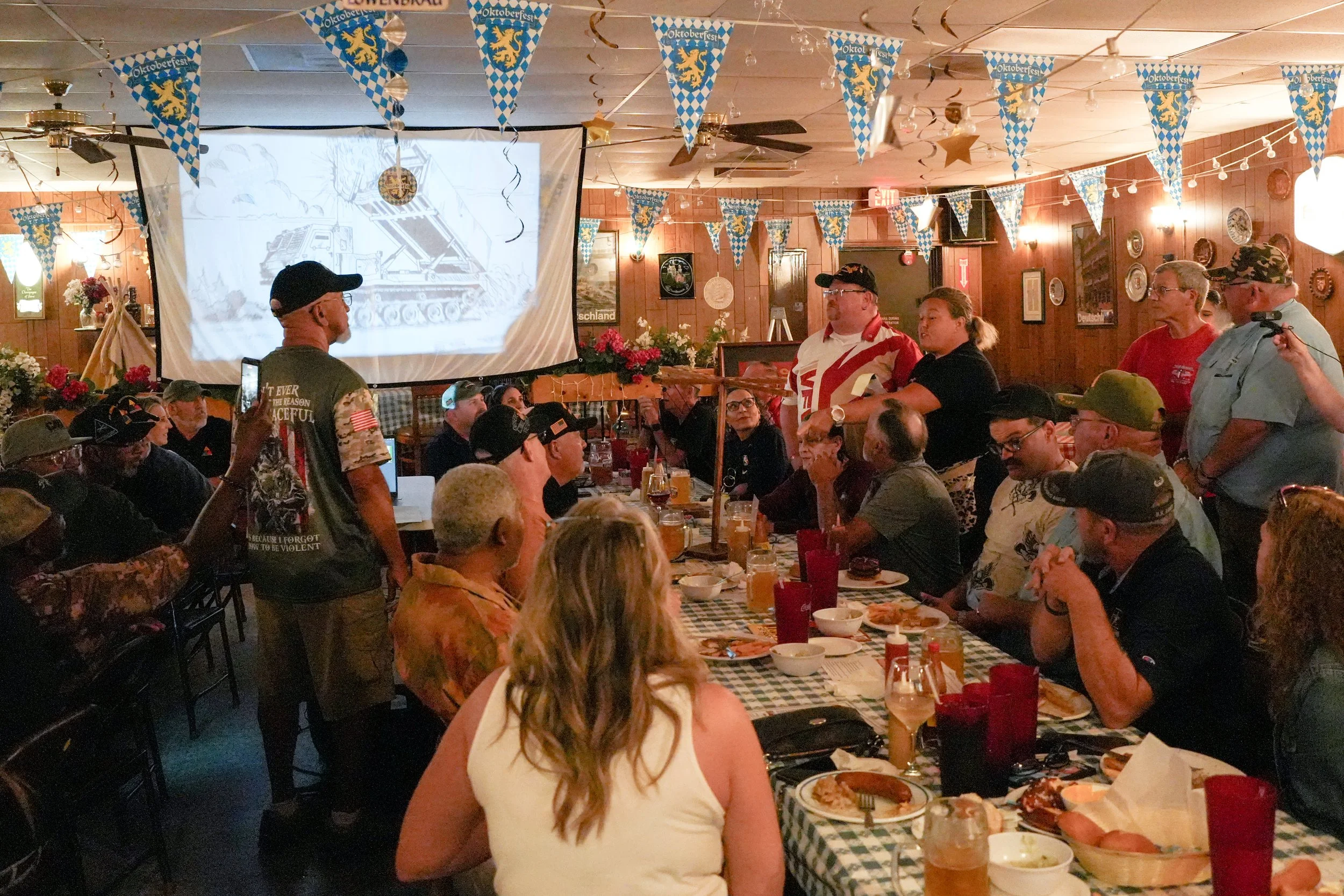
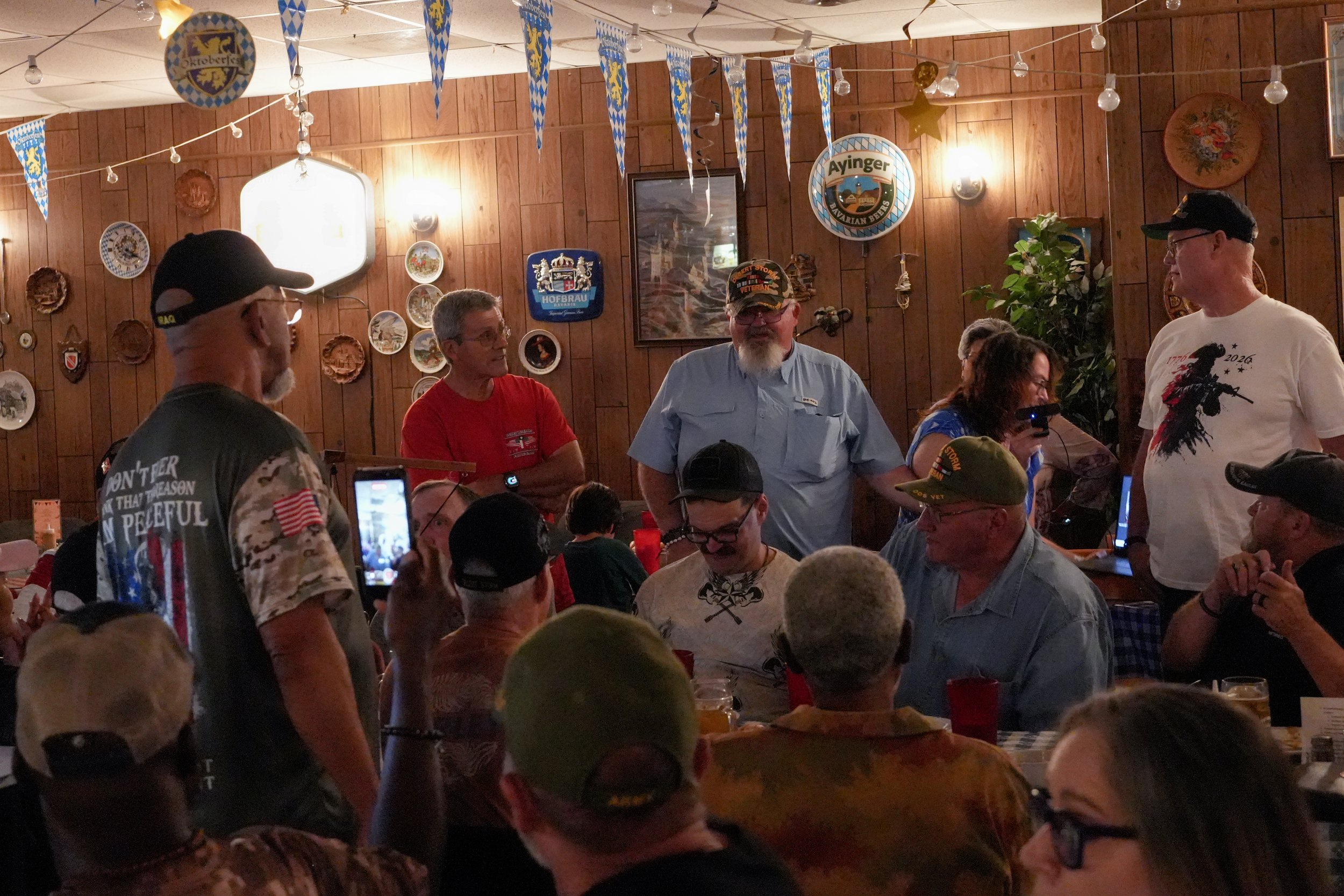
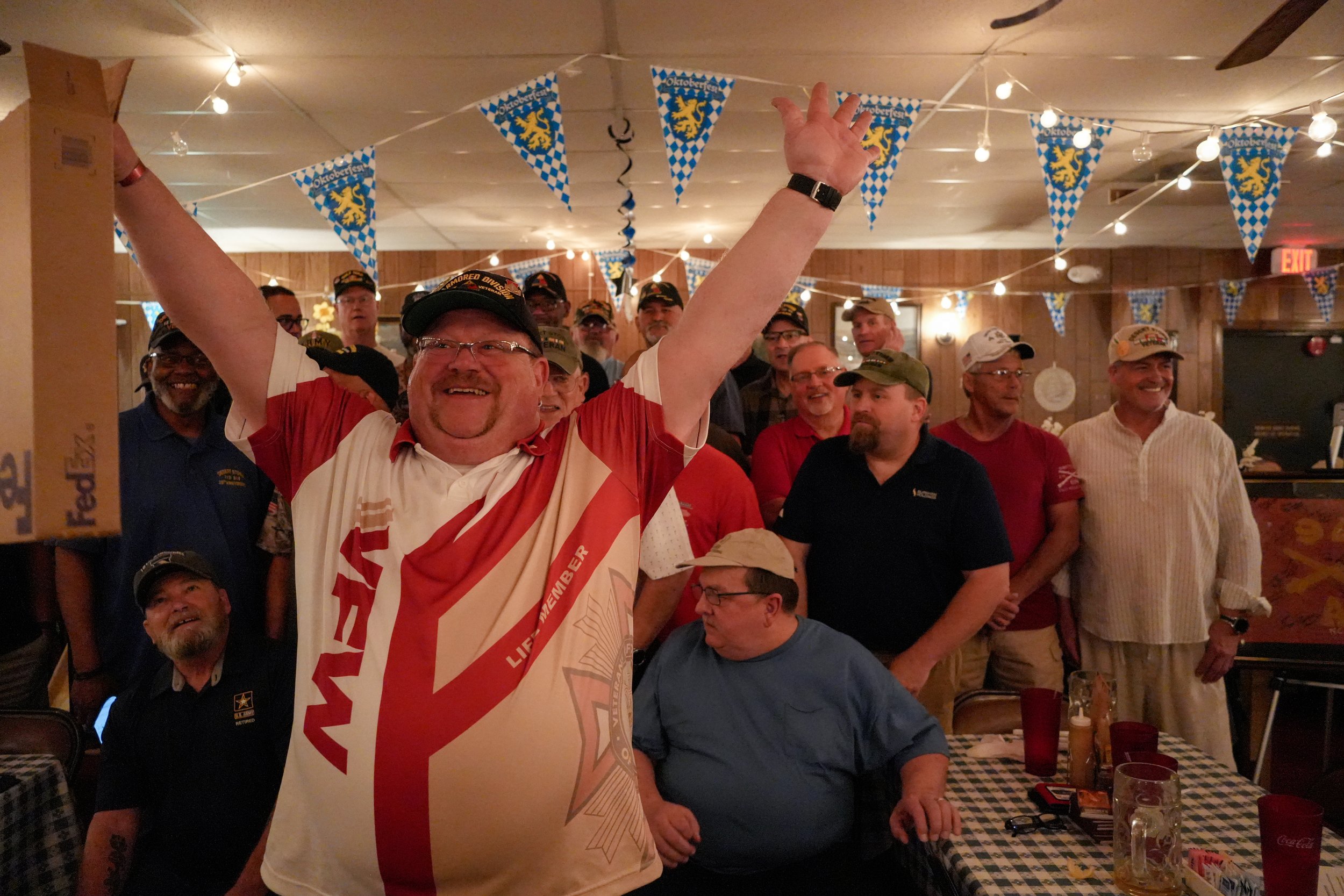
A Reunion Filled With Stories, Silence, and Gratitude
The reunion was emotional in a way that is hard to describe.
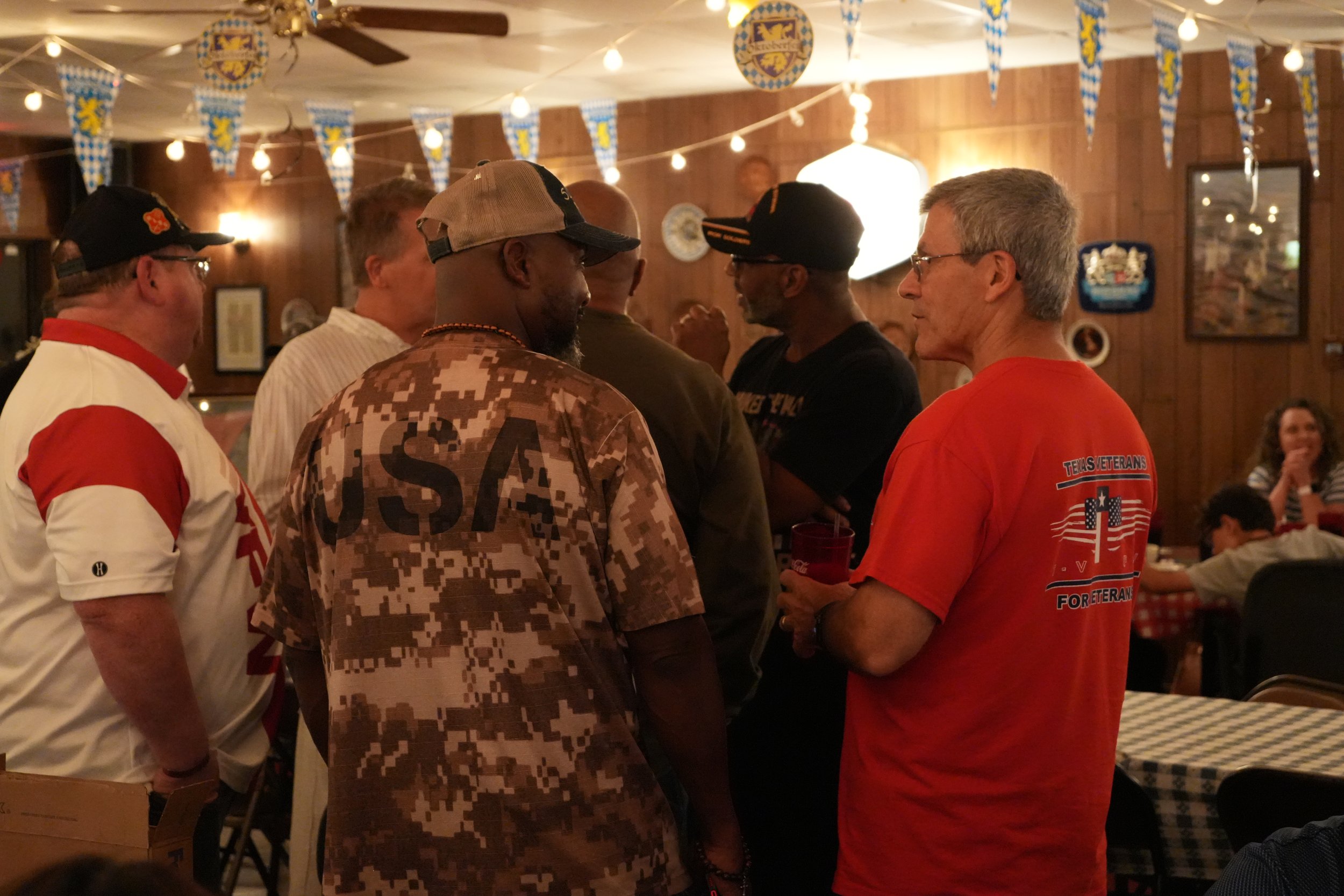
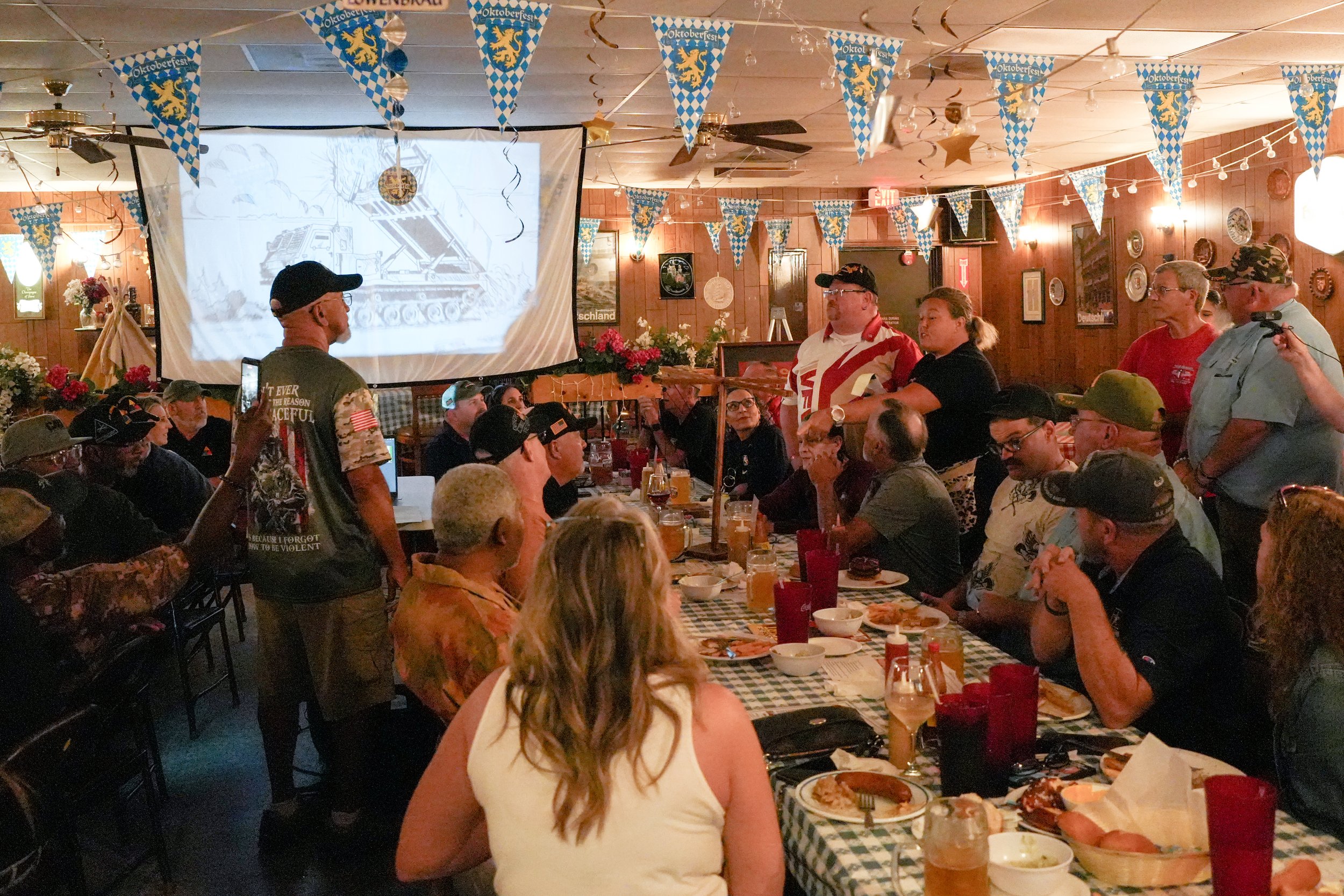
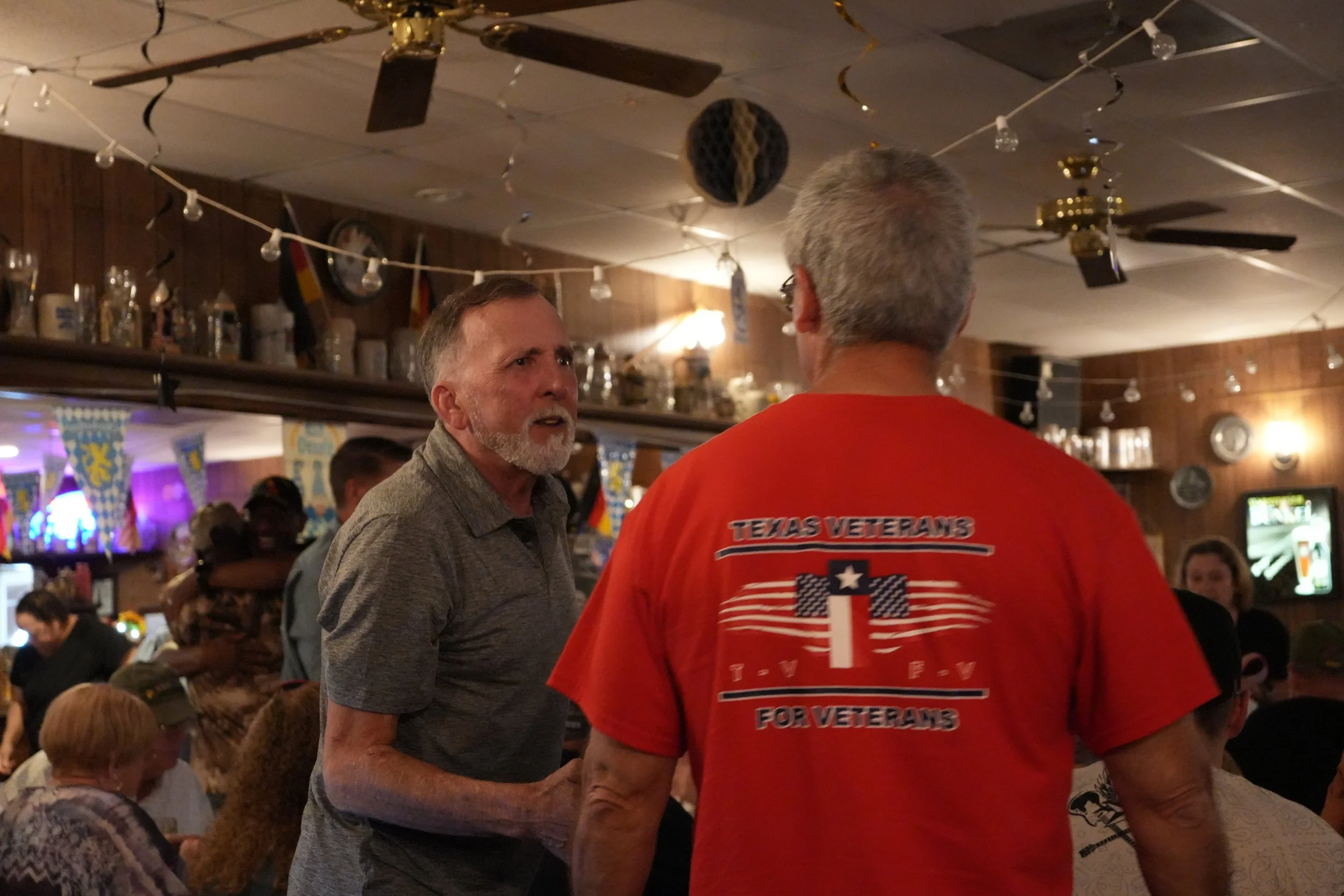
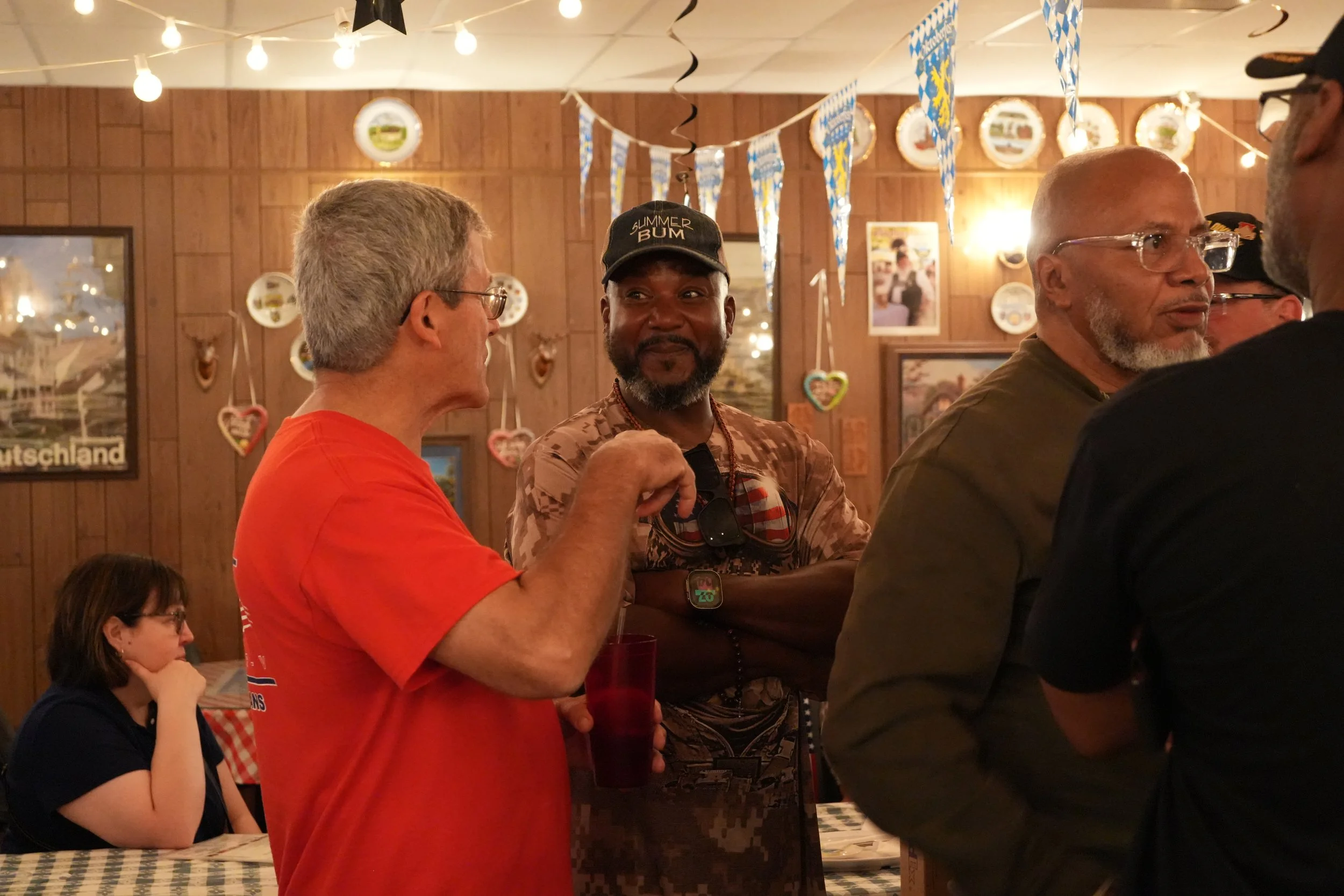
We gathered for dinner with the veterans who are still here, men who once served together as young soldiers and now return with gray hair, grandchildren, slower steps, and a lifetime of memories. Around the room, there was laughter. There were stories. There were moments of silence.
They remembered those who are no longer with them.
They shared meals that once might have felt like a luxury during deployment. Their families listened, asked questions, and witnessed something powerful: the bond between people who went through war together and carried those memories for 35 years.
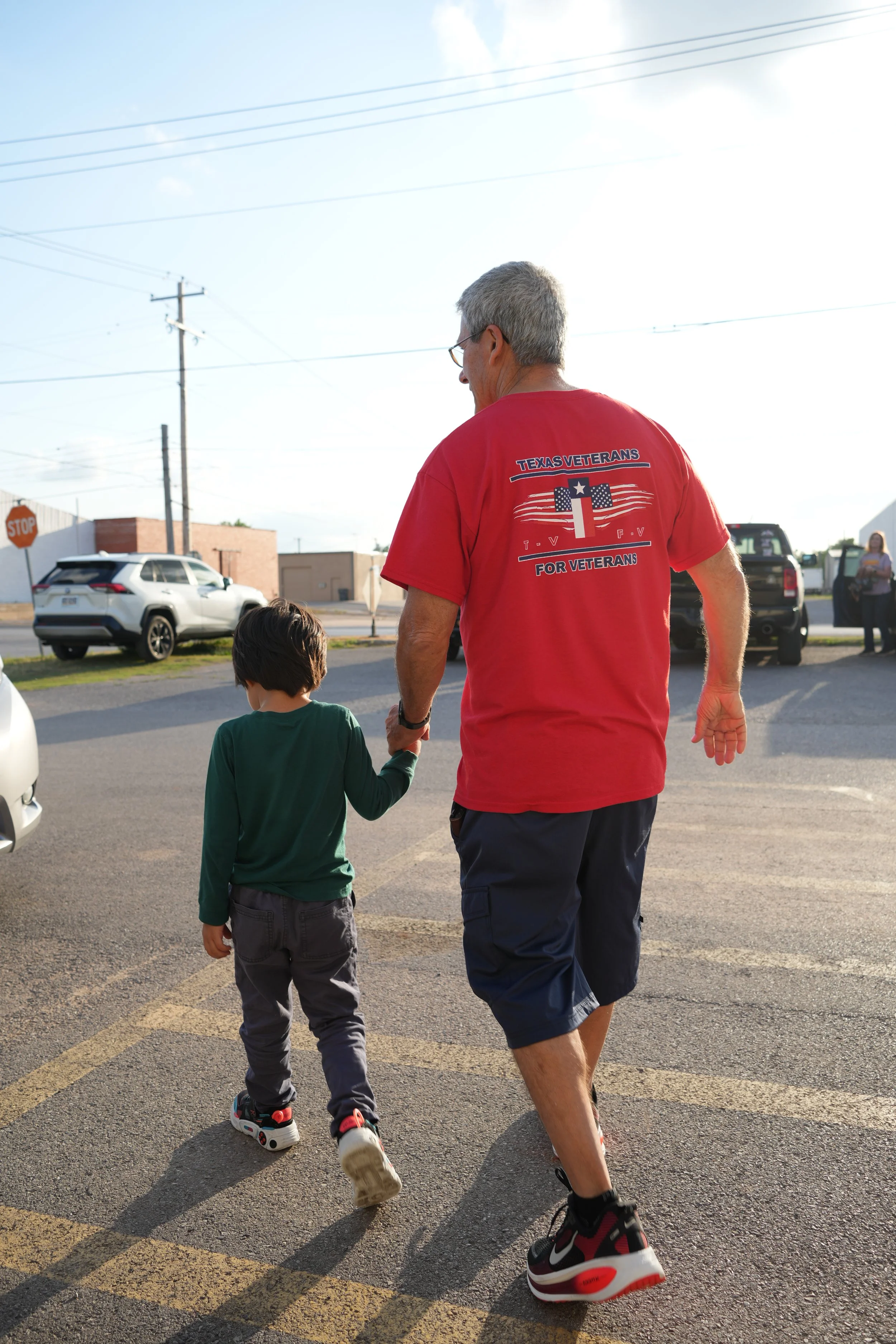
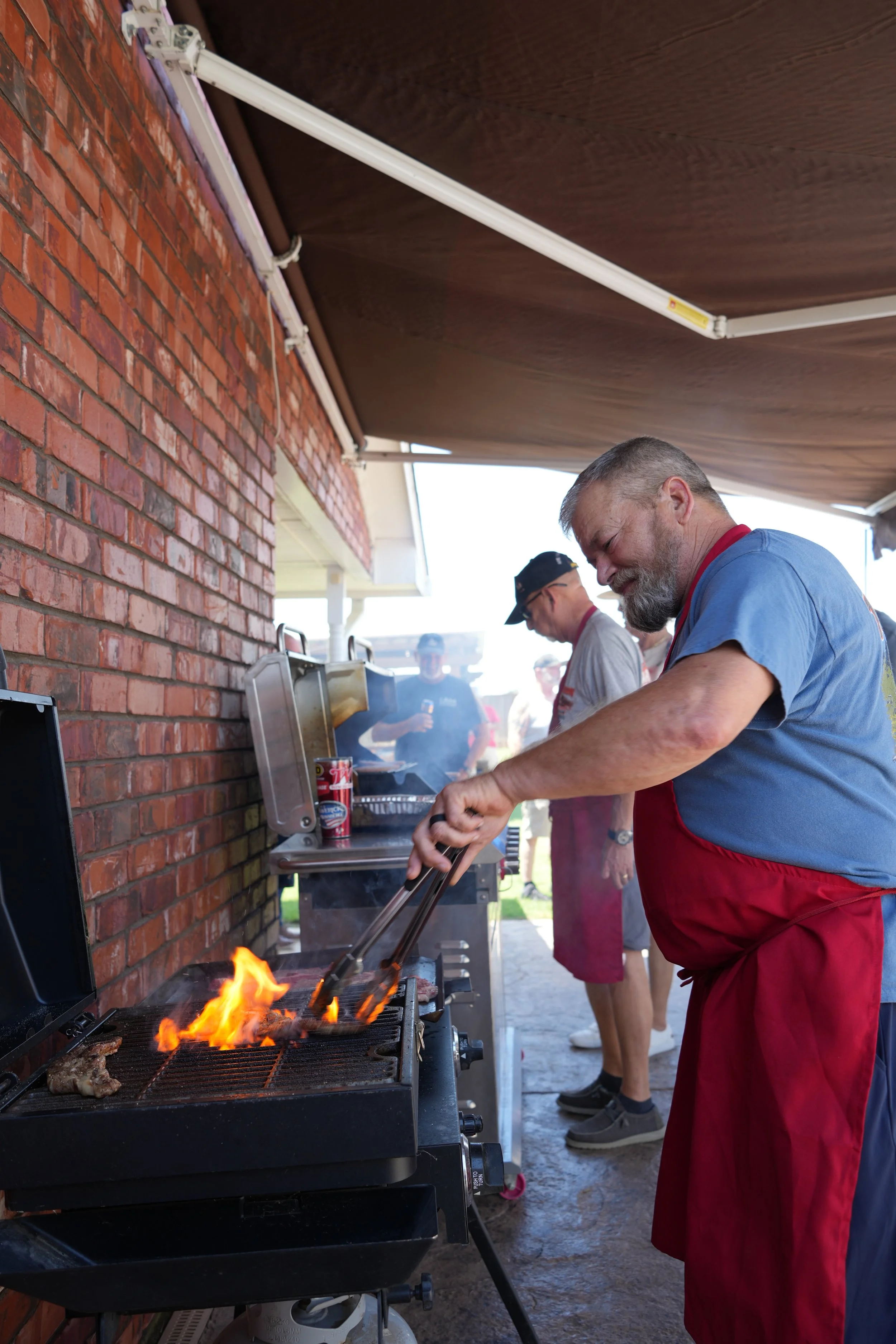
On Saturday, we gathered again at the home of one of the veterans. It was a simple and beautiful afternoon: food, swimming, family conversations, and more stories. Children played nearby while the veterans remembered a chapter of their lives that shaped them forever.
That contrast stayed with me.
The peaceful sound of a family gathering beside the memories of war.
The laughter of grandchildren beside the names of friends who are gone.
The comfort of home beside the memory of deployment.
The Courage and Ingenuity of the Iron Rockets
Over the years, my father-in-law Ron has shared many stories from his time in service. But being surrounded by the men who lived those stories with him gave them new meaning.
What surprised me most was not only their bravery, but their resourcefulness. These were soldiers who had to adapt quickly, think clearly under pressure, endure harsh conditions, and rely on one another in ways most of us will never fully understand.
The Multiple Launch Rocket System, or MLRS, was a powerful part of the U.S. Army’s field artillery capabilities. Units like theirs were trained to deliver rocket fire in support of larger military operations. Fort Sill, Oklahoma, remains deeply connected to the Army’s field artillery mission and continues to train and support artillery soldiers today.
But beyond the equipment, the systems, and the military terminology, there were people.
Young men.
Friends.
Fathers.
Brothers.
Husbands.
Soldiers.
Memorial Day Feels Different When the Stories Are Real
This weekend reminded me that Memorial Day is not only about a long weekend, a flag, or a patriotic post. It is about real people.
It is about families who waited.
It is about soldiers who came home changed.
It is about those who never came home.
It is about the people who still gather, decades later, because what they lived together created a bond that time cannot erase.
As we sat with the Iron Rockets, I realized that history lives in people. It lives in their voices, their memories, their silence, and the way they look at one another when a certain story is told.
To my father-in-law, Ron Hollingsworth, and to the men of A Battery, 94th Field Artillery MLRS — the Iron Rockets: thank you.
Thank you for your service.
Thank you for your courage.
Thank you for allowing your families to witness your brotherhood.
And thank you for reminding us that freedom is never just an idea. It is carried, protected, remembered, and honored by real people.