
National Breast Cancer Foundation Brings Free Women’s Health Services to 800 People in Garland, Texas
By Ana Cruz - Founder & Chief Editor
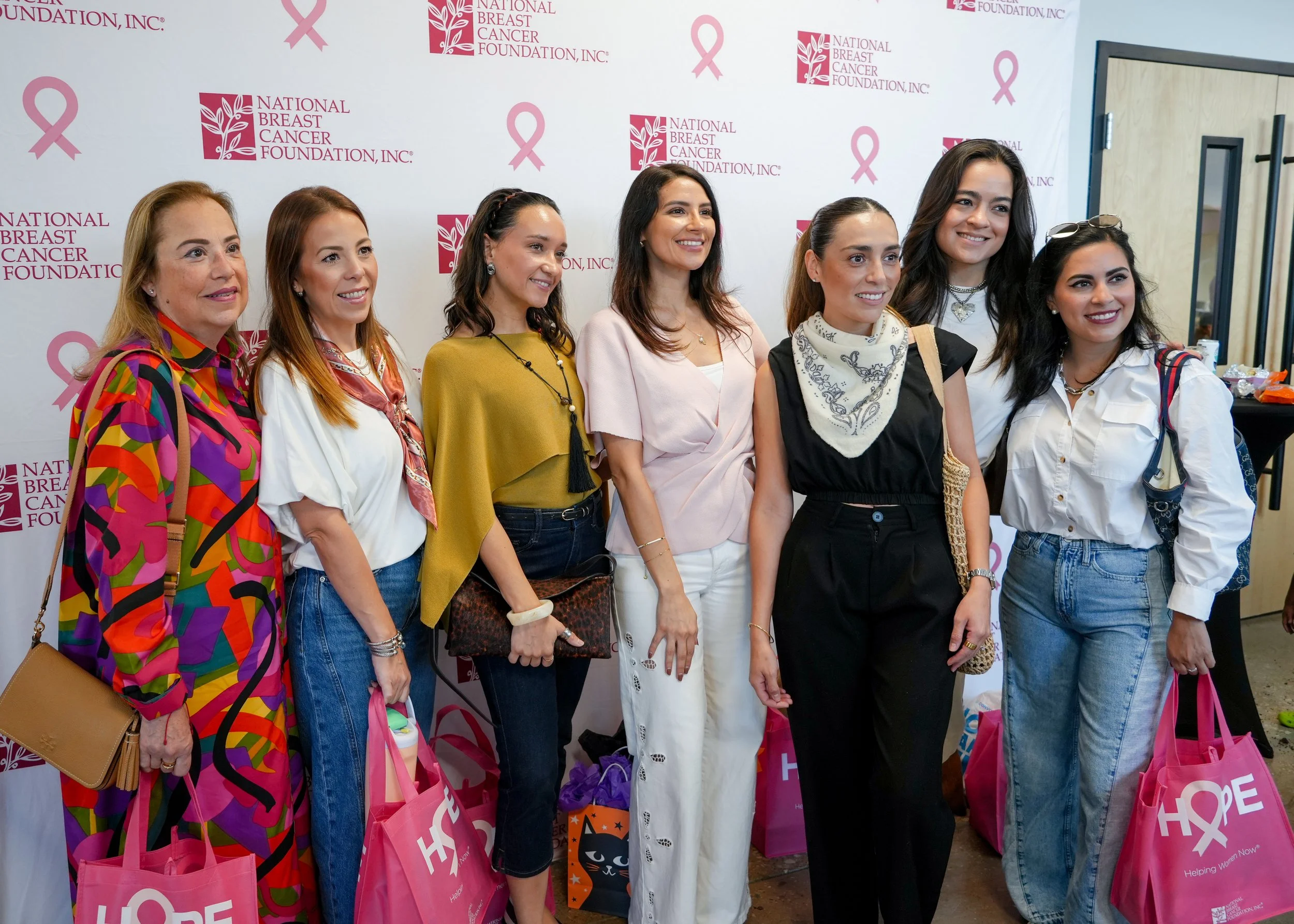
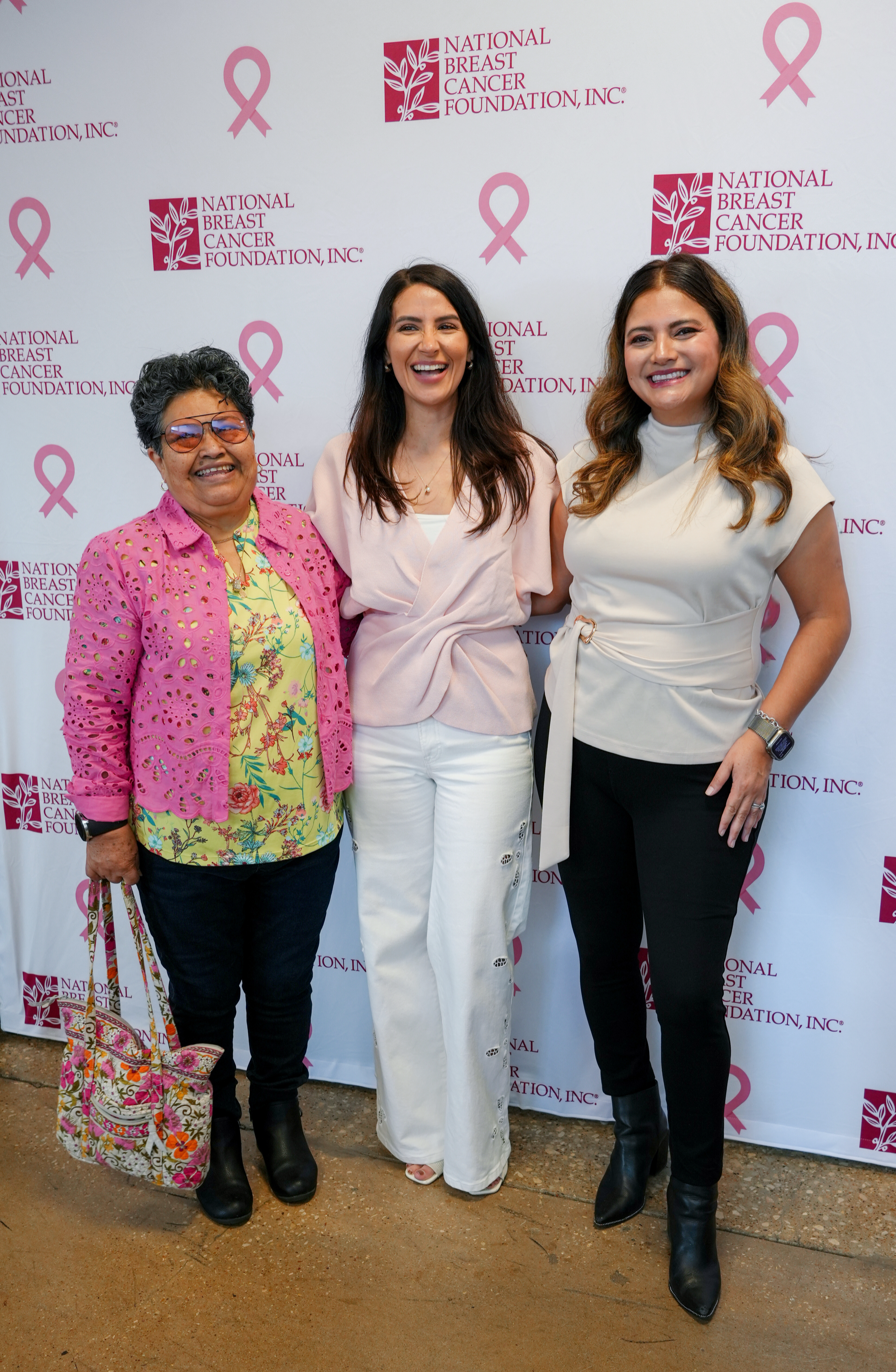
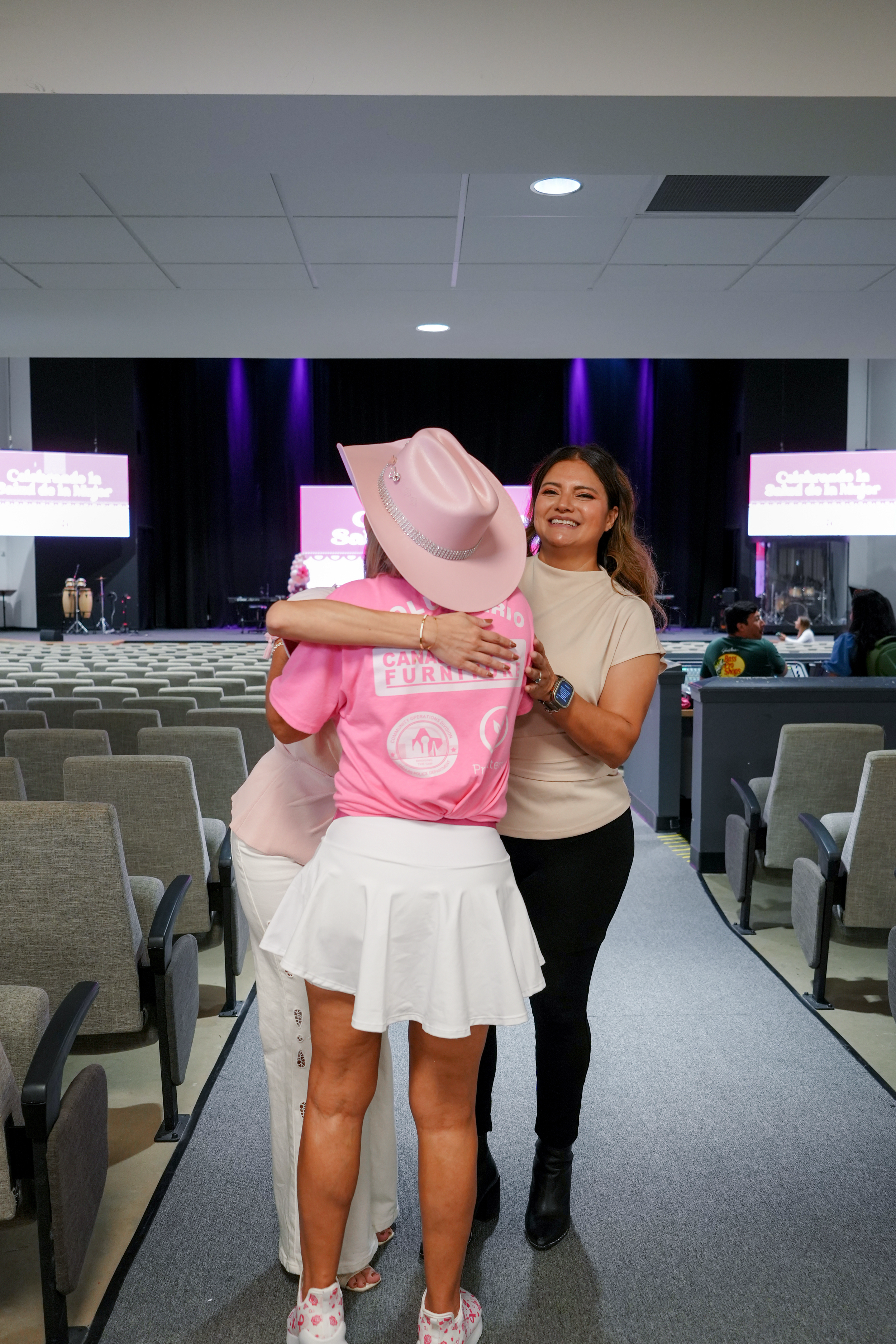
For four hours on Saturday, September 26, hundreds of women and families gathered in Garland, Texas, for something that went far beyond a traditional health fair.
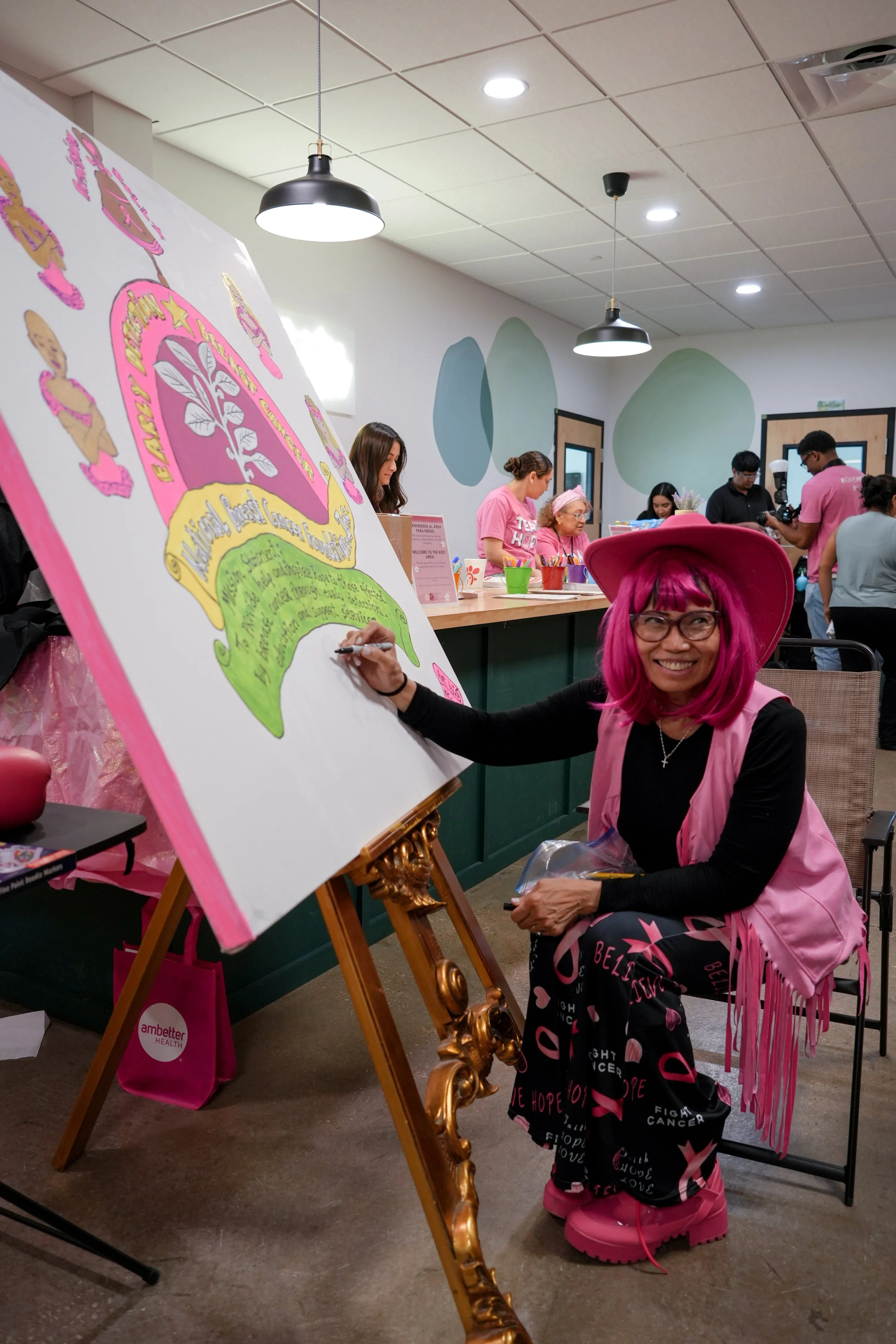
Organized by National Breast Cancer Foundation through its Latina Initiative, Celebrating Women’s Health brought together health education, preventive screenings, community resources, family activities and, perhaps most importantly, a reminder that taking care of yourself should never feel like a luxury.
This was my third consecutive year attending and covering the event, and each year I have watched it grow. This time, approximately 800 people showed up a powerful reflection of how much our community wants and needs accessible health information and services.
Throughout the morning, women had the opportunity to participate in educational sessions about breast health and breast cancer while accessing free services including mammograms, Pap smears, glucose testing and blood pressure screenings, women’s health education, mental health resources, groceries and essential items for families.

But what made the day feel different was everything surrounding those services
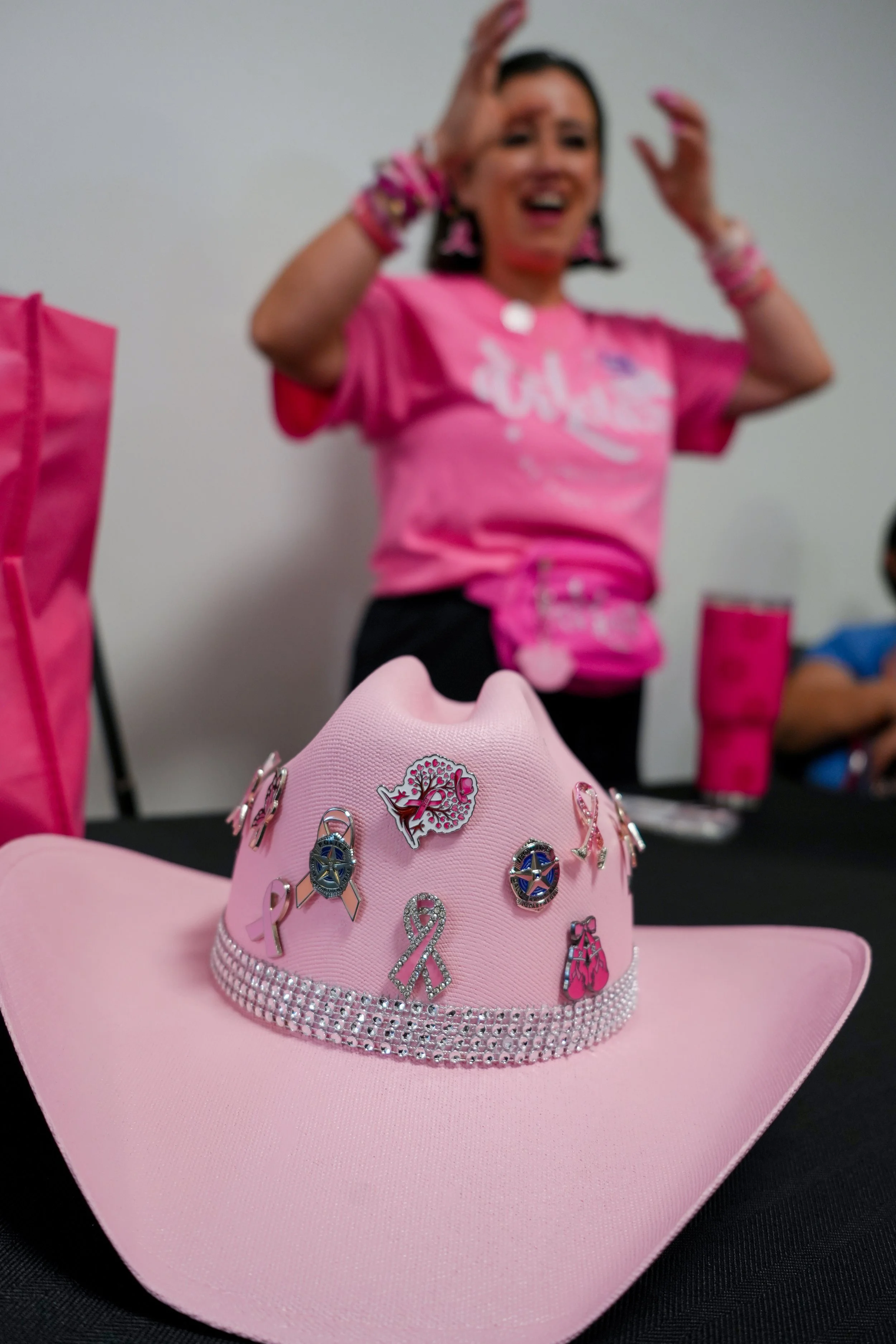
There were activities for children, food and groceries for families, giveaways and even a beauty lashes bar sponsored by Walmart, a small but meaningful space where women could sit down for a moment and allow someone else to take care of them.
For many mothers, that simple idea can feel unfamiliar.
Women are often the ones scheduling everyone else’s appointments, preparing meals, managing calendars, taking children to school and activities, caring for aging parents and keeping families moving forward. Their own health can easily become the appointment that gets postponed.
Events like this create a different message: your health deserves a place on the calendar too.
And for Latina women in the United States, that message carries particular importance.
Breast cancer is the most commonly diagnosed cancer among Hispanic women, accounting for approximately 30% of cancer diagnoses in this population. The American Cancer Society also reports that breast cancer incidence among Hispanic women increased by about 1.6% per year from 2012 through 2021.
Access remains another part of the conversation. The CDC notes that Hispanic and Latino communities can face barriers including lack of insurance, limited paid sick leave, language differences and challenges navigating health information and services. These barriers can make preventive screenings harder to prioritize or access even when women understand their importance.
That is why bringing screenings directly into trusted community spaces matters
A mammogram at an event like this is not simply another service on a list. Screening can identify breast cancer at an earlier stage, when treatment may be more effective. In 2022, nearly 280,000 cases of breast cancer were reported among women in the United States, and more than 42,000 women died from the disease in 2023, according to the CDC.
Behind every statistic is a woman, a mother, a daughter, a sister, a friend or a coworker.
And behind every screening is the possibility of finding something early or receiving the reassurance that everything looks okay.
That may be the most important takeaway from Celebrating Women’s Health. Education does not have to happen inside a hospital conference room. Prevention does not always begin in a doctor’s office. Sometimes it starts in a community center surrounded by children playing, women laughing, volunteers handing out groceries and someone asking a simple question:
When was your last mammogram?
After attending this event for three years, I have watched it become bigger, more comprehensive and more connected to the community it serves.
But numbers alone do not tell the entire story.
What I saw in Garland was four hours dedicated to women who spend much of their lives dedicating themselves to everyone else. Four hours of information, prevention, conversation, family and care.
And perhaps most importantly, four hours reminding hundreds of women that taking care of themselves is not selfish.
It is necessary.
Because when women are informed, supported and given access to resources, they are better equipped to advocate for themselves, their families and their communities.
And when it comes to breast cancer, education and early detection can truly save lives.