
When Language Becomes a Matter of Life and Death: My Experience at the 2026 TAHIT Symposium
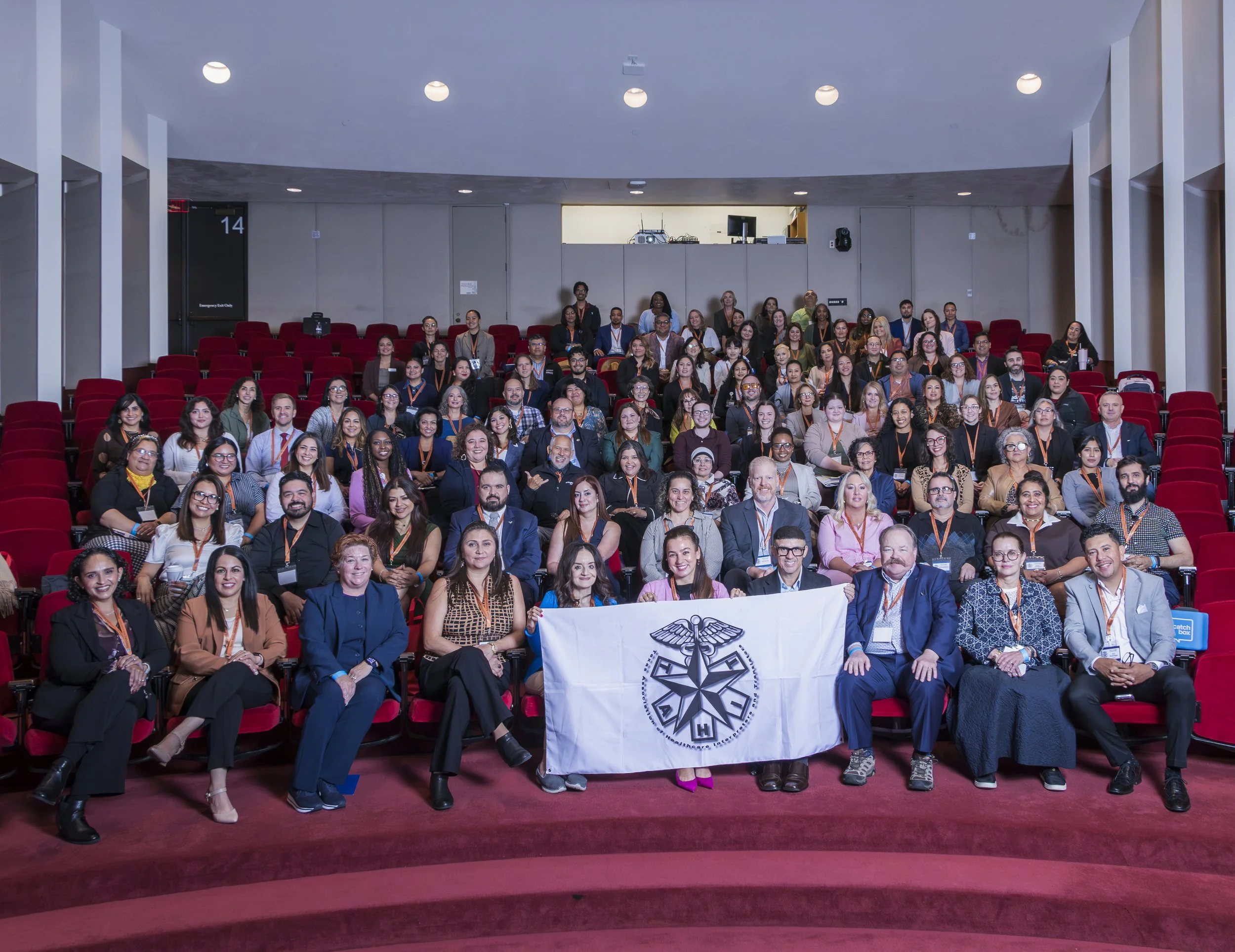
Photo Credit: James Martinez
By Ana Cruz | Rollos de Mujeres Media
What happens when a patient cannot explain their symptoms, understand a diagnosis, or give informed consent simply because they don't speak the same language as their healthcare provider?
It's a question many of us rarely stop to consider. But for millions of people across the United States, language barriers can turn an already frightening medical situation into something even more dangerous.
On October 2, 2026, I had the opportunity to attend the 18th Annual Language Access Symposium, organized by the Texas Association of Healthcare Interpreters & Translators (TAHIT), at Scottish Rite for Children in Dallas.
It was my first time attending, and I walked away with a completely different understanding of the extraordinary work happening behind the scenes to make healthcare more accessible to our diverse communities.
As a journalist, immigrant, and bilingual communicator, I have always understood the importance of language. But this experience reminded me that language access is not simply about translation.
It's about dignity, patient safety, equal opportunity, and sometimes, saving lives.
The Numbers Behind the Language Barrier in Texas
Texas is one of the most linguistically diverse states in the country.
According to the U.S. Census Bureau's 2024 American Community Survey, approximately 35.7% of Texans age five and older speak a language other than English at home.
That's more than one in three residents.
Of course, speaking another language doesn't automatically mean someone struggles with English. However, many Texans have limited English proficiency, making it difficult to navigate complicated healthcare conversations without professional assistance. And in healthcare, a misunderstanding can have serious consequences.
Imagine trying to explain an allergic reaction, understand chemotherapy instructions, discuss a complicated pregnancy, or make a decision about surgery without fully understanding what your doctor is saying.
Now imagine having to rely on a child, a family member, or a translation app to communicate information that could change your life.
This is why qualified healthcare interpreters and translators are essential.
They don't simply replace words from one language with words from another. They must understand complex medical terminology, cultural differences, professional ethics, confidentiality, and the responsibility that comes with communicating potentially life-changing information.
One misunderstood medication instruction or incorrectly interpreted symptom can affect a patient's care.
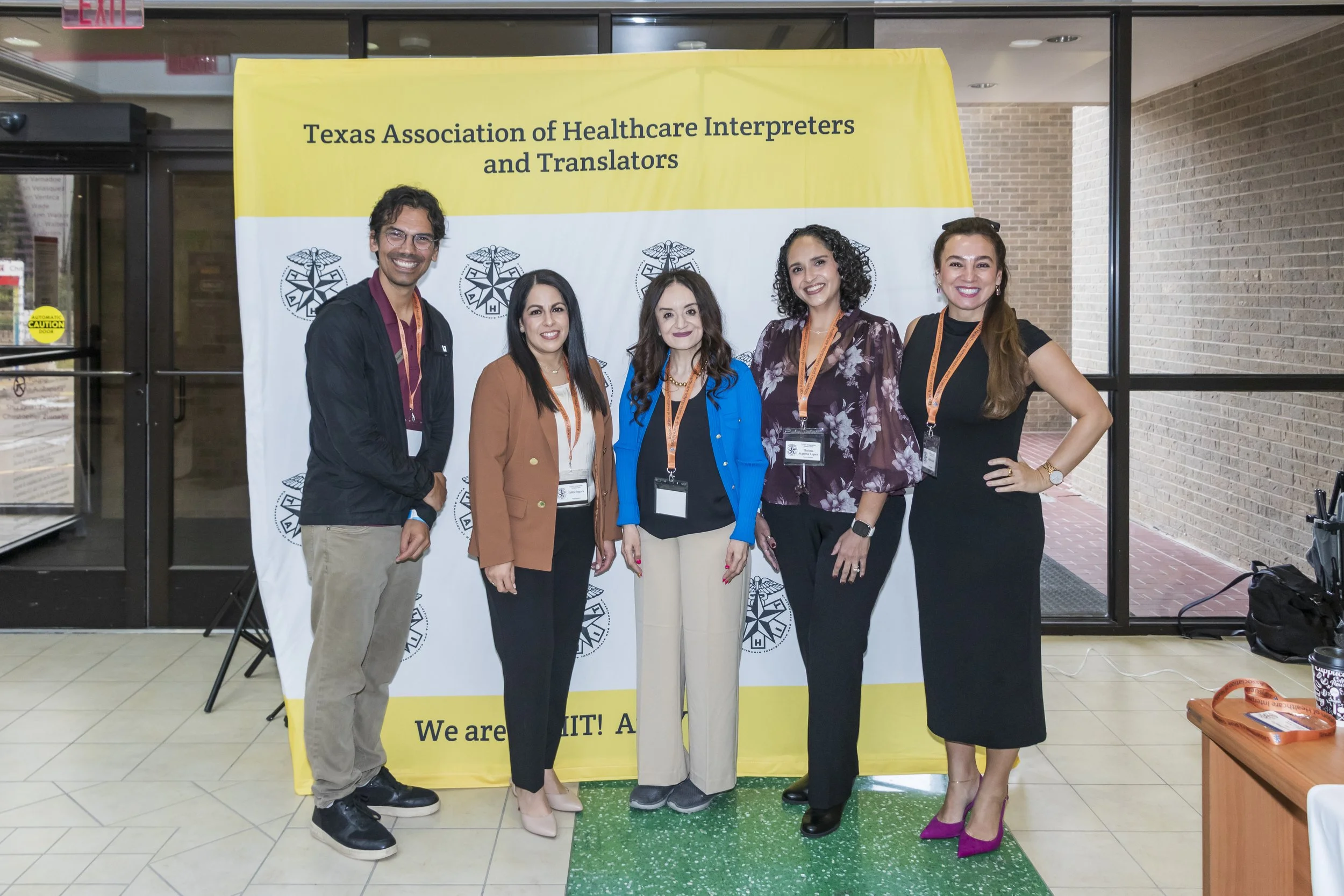
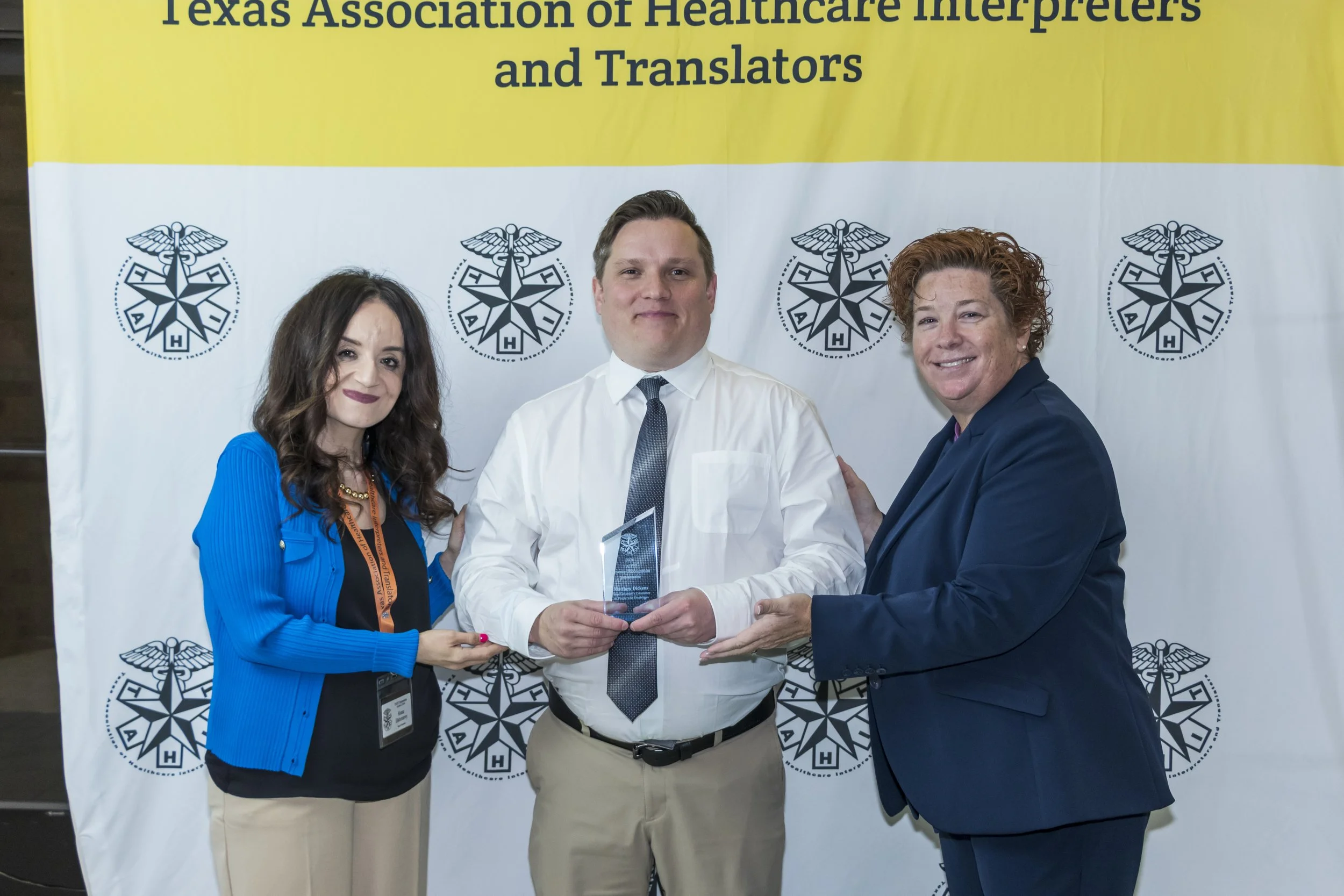
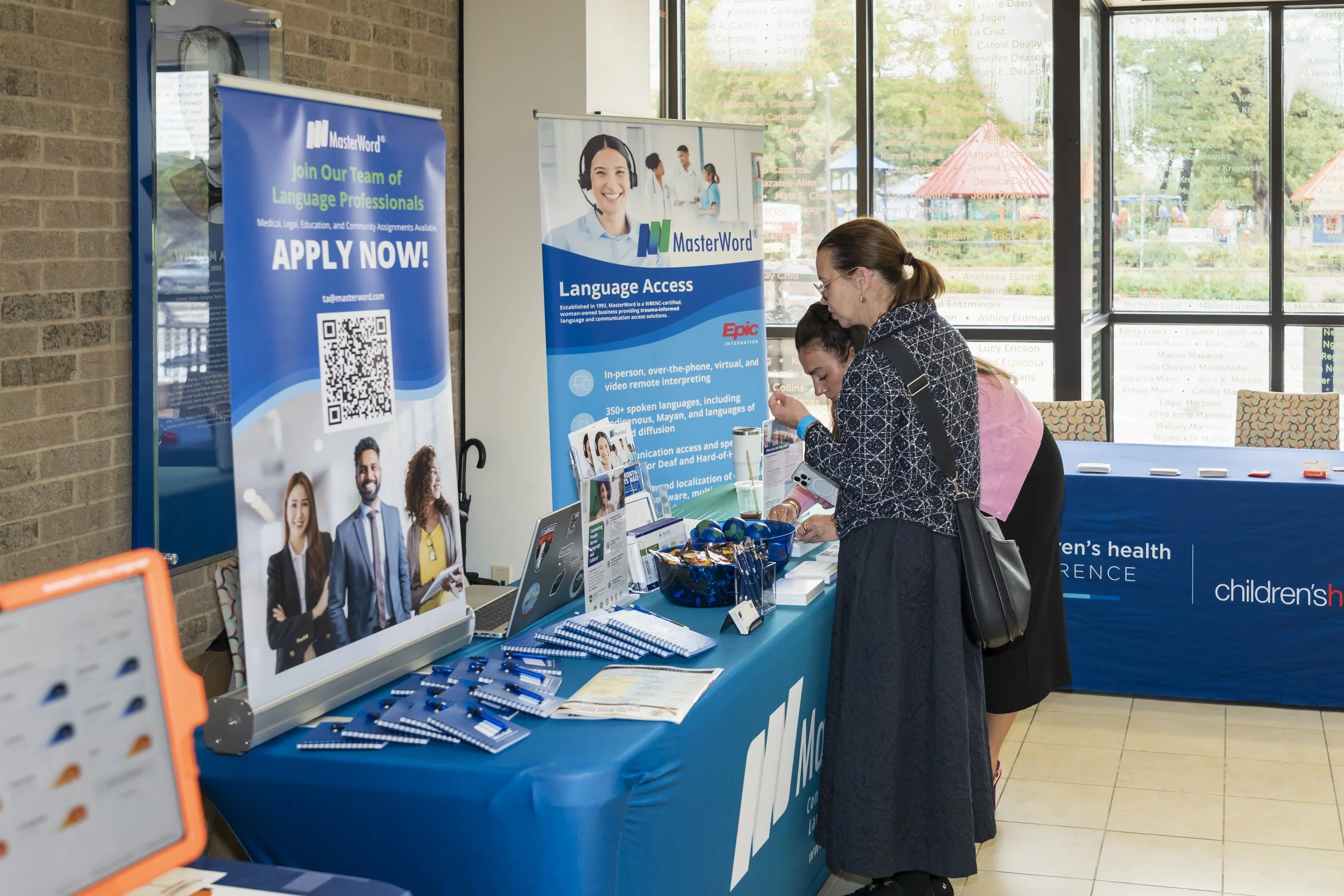
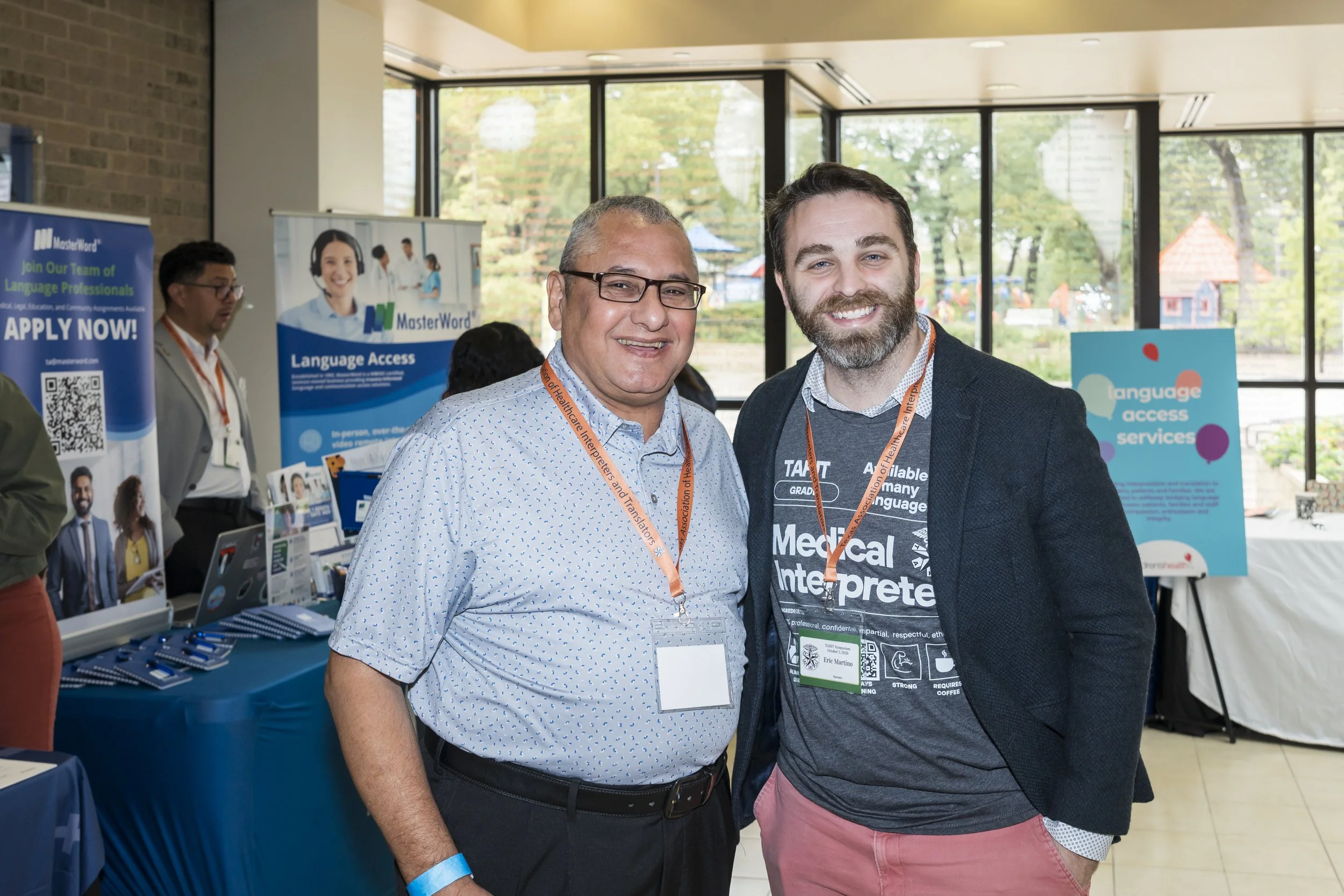
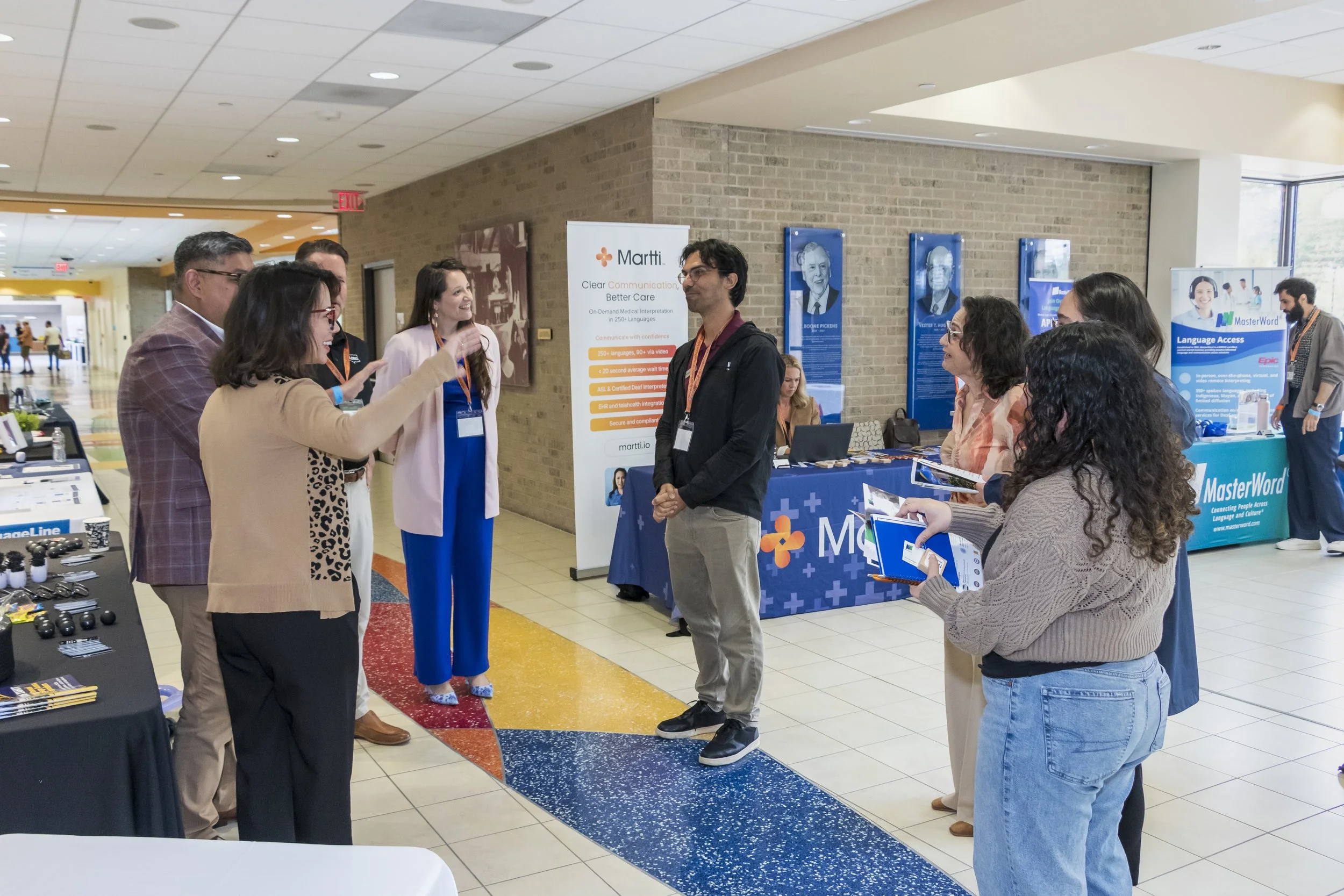
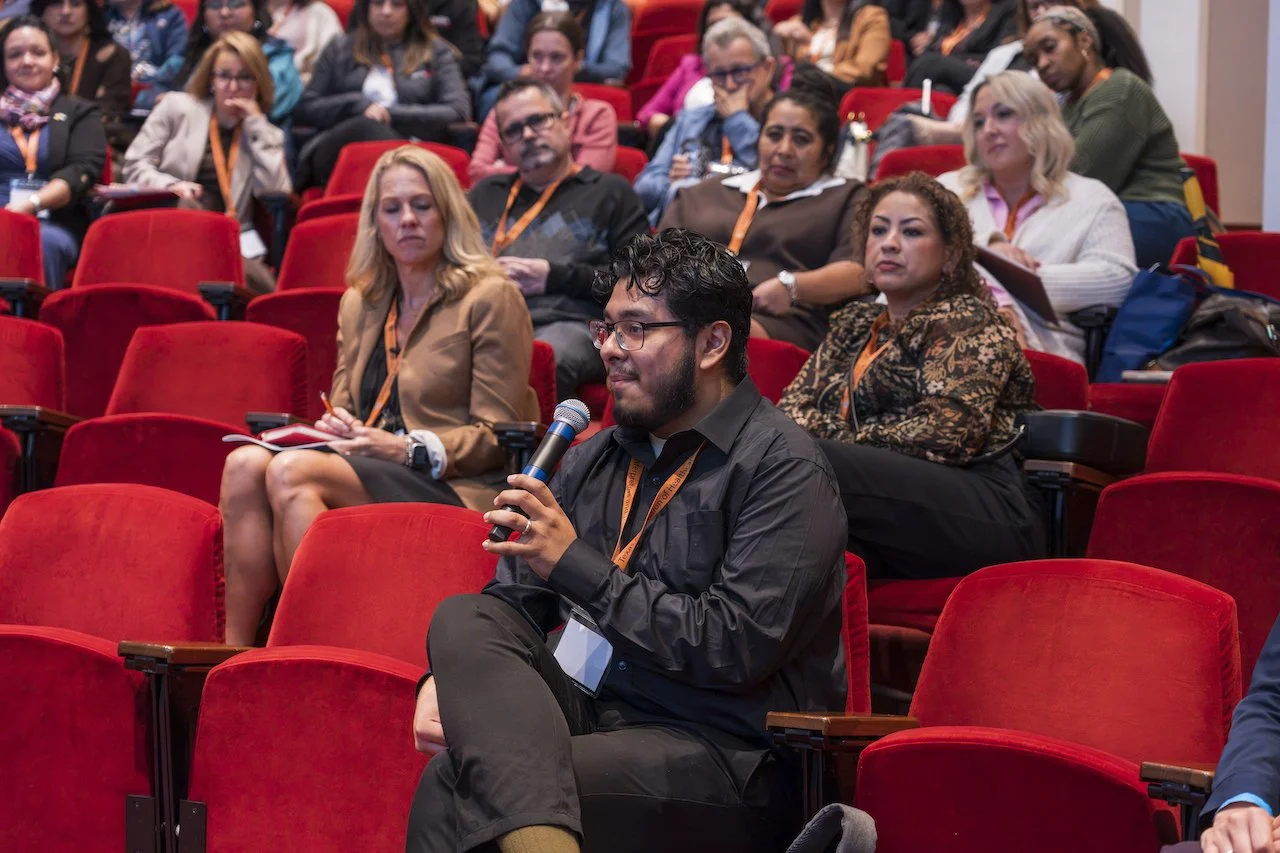
Photo Credit: James Martinez
Where Texas Stands and Where We Still Fall Short
One of my biggest takeaways from the symposium was learning how much work goes into improving language access, but also recognizing how much remains to be done.
Federal civil rights protections require many healthcare organizations receiving federal financial assistance to provide meaningful language access to eligible patients with limited English proficiency. Yet the existence of these protections does not automatically guarantee that every patient receives timely, qualified interpretation.
Healthcare systems must still address challenges involving interpreter availability, language identification, staff training, technology, funding, and accessibility in rural and underserved communities. Texas also faces the challenge of serving an increasingly diverse population whose language needs extend far beyond Spanish.
Vietnamese, Chinese, Arabic, and many other languages are part of the communities that make our state what it is today. Deaf and hard-of-hearing patients also need effective communication, including qualified sign language interpreters when necessary.
I was particularly impressed by TAHIT's commitment to education, professional development, and advocacy.
The symposium brought together experts to discuss patient safety, healthcare accreditation, ethical decision-making, remote interpreting, artificial intelligence, and the evolving federal policy landscape.
These professionals are working every day to ensure that language does not become an obstacle to accessing quality care.
And their work deserves far more recognition.
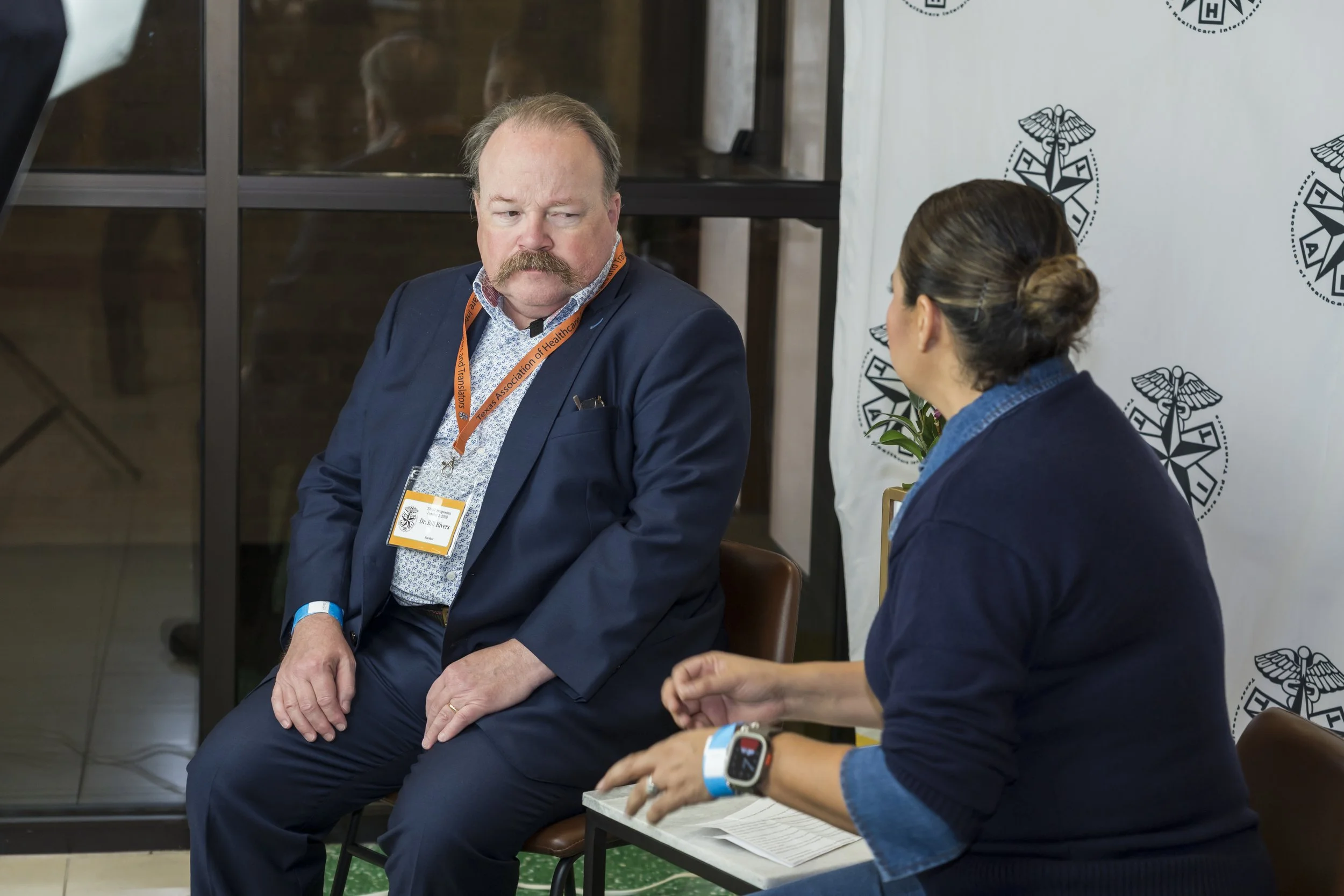
Photo Credit: James Martinez
A Conversation With Dr. Bill Rivers: Where Do We Stand in 2026?
One of the highlights of my experience was the opportunity to record a conversation for The Ana Cruz Show with Dr. Bill Rivers, a congressional advocate and expert in language policy.
Dr. Rivers presented a session titled Language Access in 2026: Where Do We Stand?
Our conversation explored the current landscape of language access, why advocacy remains important, and what the future may hold for patients and the professionals serving them.
As someone who has experienced the challenges of navigating systems in a second language, I found this discussion especially meaningful.
AI, Human Responsibility, and an Unexpected Conversation About Human Trafficking
Another unforgettable conversation was with Ludmila "Mila" Golovine of MasterWord, whose symposium presentation was titled Delivering AI Interpreting Responsibly.
Artificial intelligence is transforming how we communicate across languages. From real-time translation to automated interpretation tools, the possibilities are extraordinary.
But when it comes to healthcare, accuracy, privacy, cultural understanding, and human oversight are critical.
AI can help expand access, particularly when language services are difficult to obtain. However, technology must be implemented responsibly, with appropriate safeguards and qualified professionals involved in high-stakes situations.
Our conversation also took an unexpected and deeply emotional turn.
We discussed how language access can play an important role in identifying and supporting victims of human trafficking.
Imagine a person who has been exploited, isolated, or threatened and cannot communicate effectively with the healthcare professional, law enforcement officer, or advocate who may be able to help them.
Access to a qualified interpreter can create an opportunity for someone to explain what is happening, ask for assistance, and begin finding a path toward safety.
Mila also shared an incredibly personal experience involving her own daughter. She spoke about how her daughter was targeted through grooming on Roblox and how the situation came dangerously close to an attempted abduction. As a mother, listening to her experience was heartbreaking.
Her story opened the door to a larger conversation about online grooming, child safety, exploitation, and the importance of protecting vulnerable individuals.
We also discussed Mila's commitment to supporting efforts against human trafficking and the role communication can play in helping victims access assistance.
It's a powerful reminder that language access is not limited to hospitals. It can also be a critical tool in protecting human dignity, safety, and freedom.
I encourage you to listen to our complete conversation on The Ana Cruz Show, where Mila shares her experience in her own words.
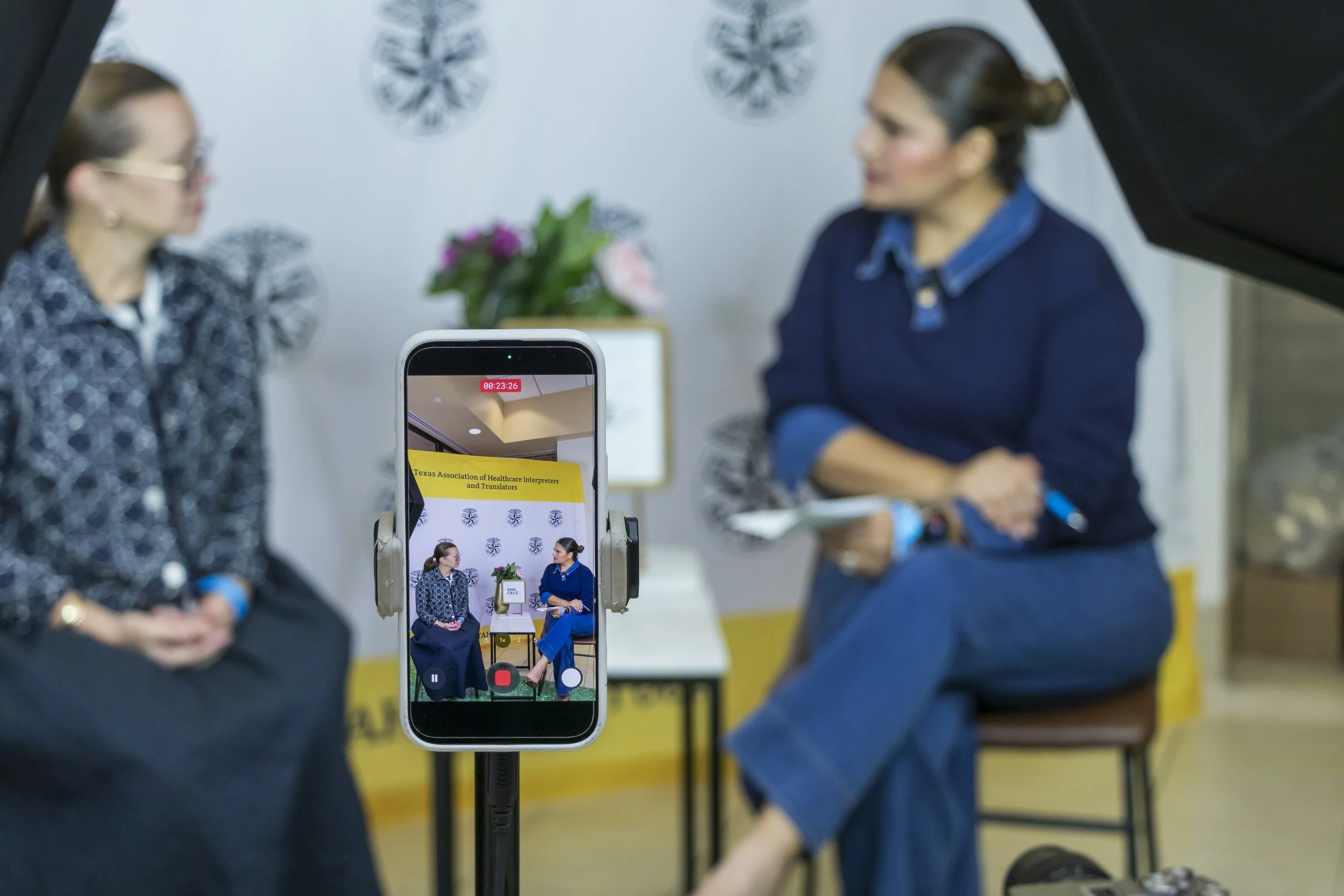
Photo Credit: James Martinez
The People Behind a Mission That Deserves More Attention
Beyond the presentations and interviews, what impressed me most was the community of professionals I met.
Healthcare interpreters and translators often work quietly behind the scenes, yet their responsibilities are enormous. They help patients understand diagnoses, communicate their fears, discuss treatment options, and advocate for themselves. They help healthcare professionals understand the people they serve.
And they remind us that empathy and human connection are essential parts of medicine.
I left the symposium with a greater appreciation for a profession that deserves more visibility, resources, and recognition.
A Special Thank You
I want to extend my heartfelt gratitude to my dear friend Mona Elshenawy, President of TAHIT, for inviting me and introducing me to this important world of healthcare language access.
Thank you, Mona, for opening the door to conversations I believe our communities need to hear.
And thank you to the organizers, speakers, interpreters, translators, advocates, and healthcare professionals who continue working toward a more accessible healthcare system.
Your work matters, and your voices deserve to be amplified.
Coming Soon on The Ana Cruz Show
I'm excited to share the conversations I recorded with Dr. Bill Rivers and Ludmila Golovine in upcoming episodes of The Ana Cruz Show.
I hope these conversations encourage all of us to ask more questions, become better informed, and recognize the importance of ensuring that everyone in our community has an opportunity to be heard and understood.
Subscribe to The Ana Cruz Show on Spotify, Apple Podcasts, and YouTube, and subscribe to our news letter for more stories and interviews.
To learn more about the Texas Association of Healthcare Interpreters & Translators, visit www.tahit.org.
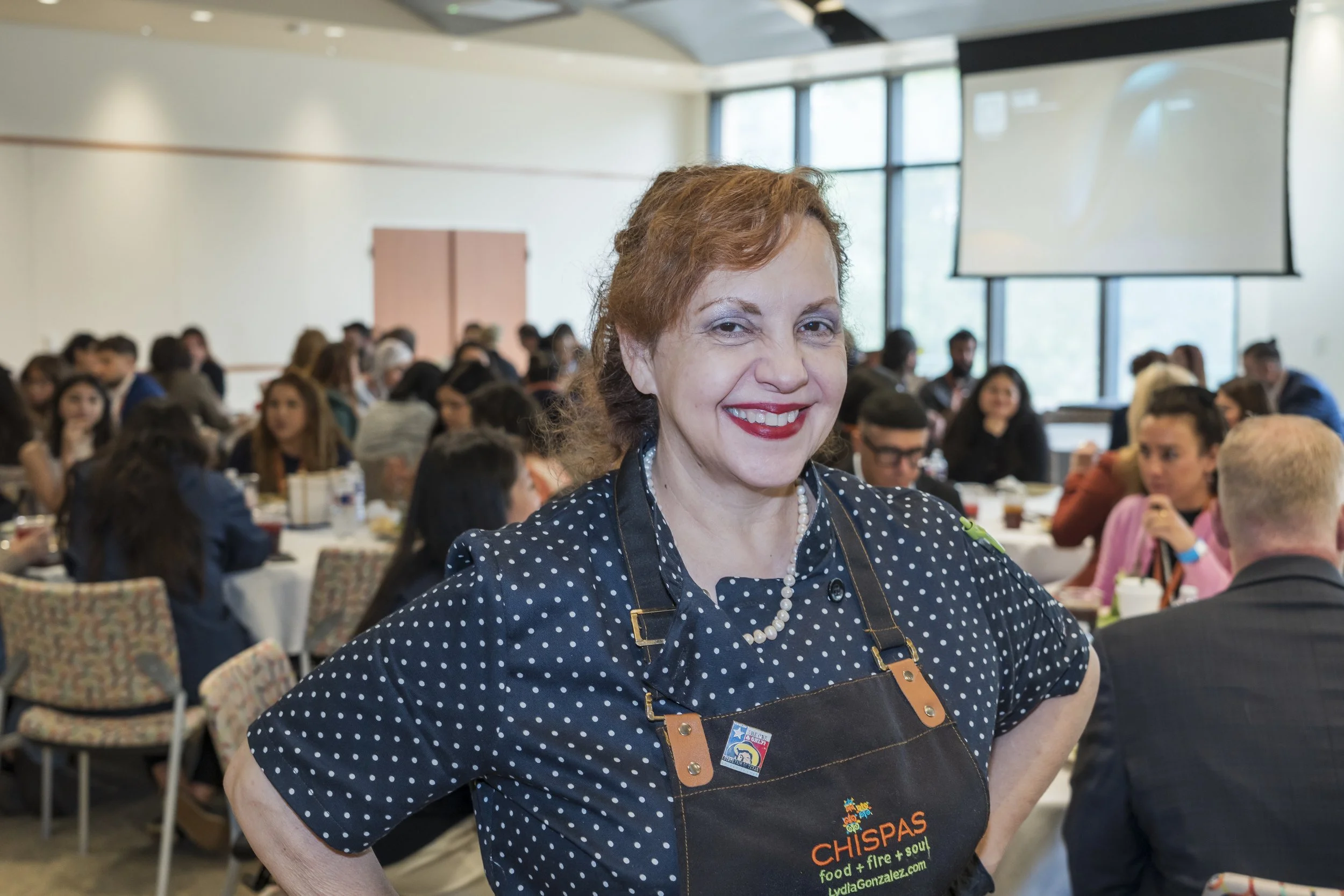
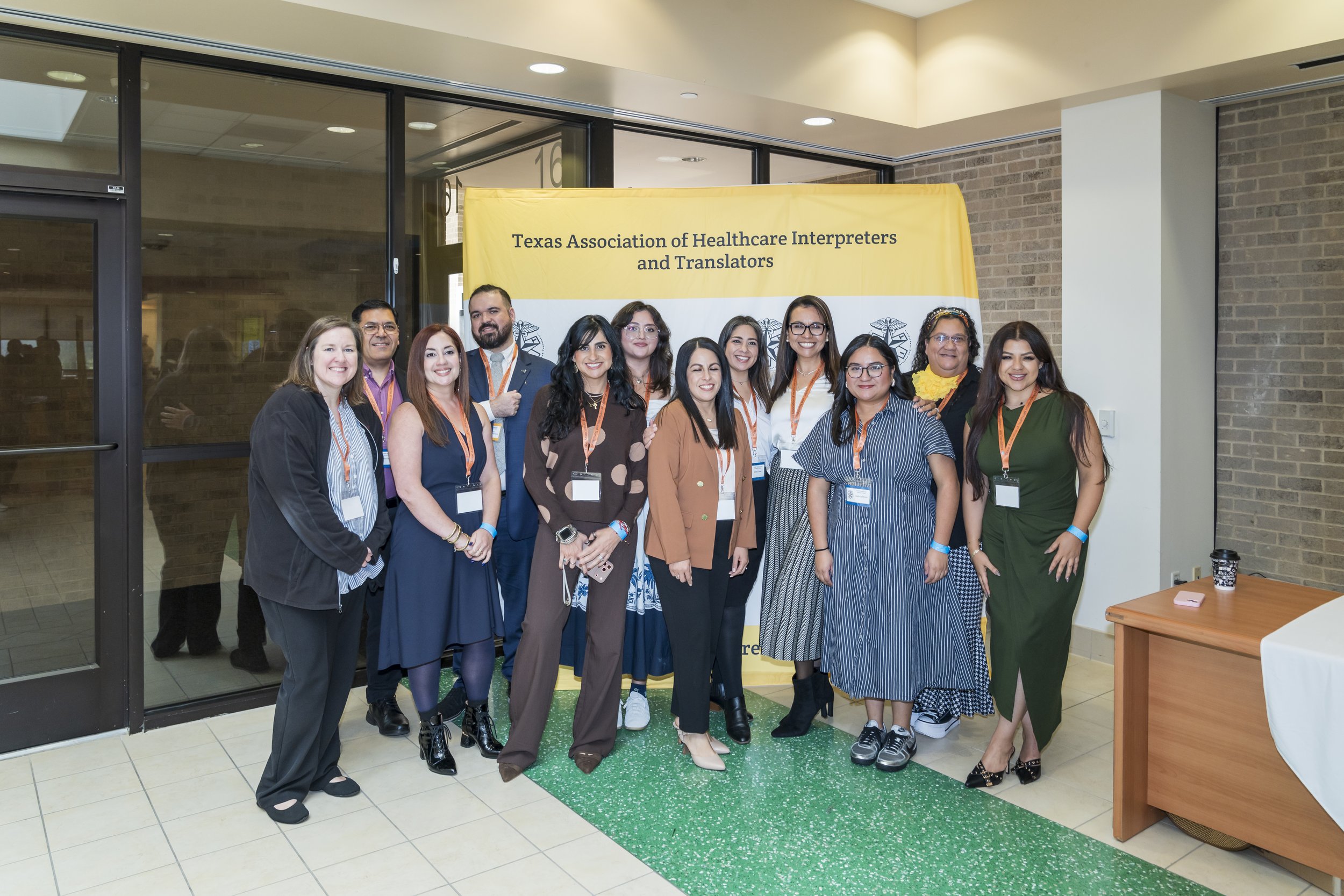
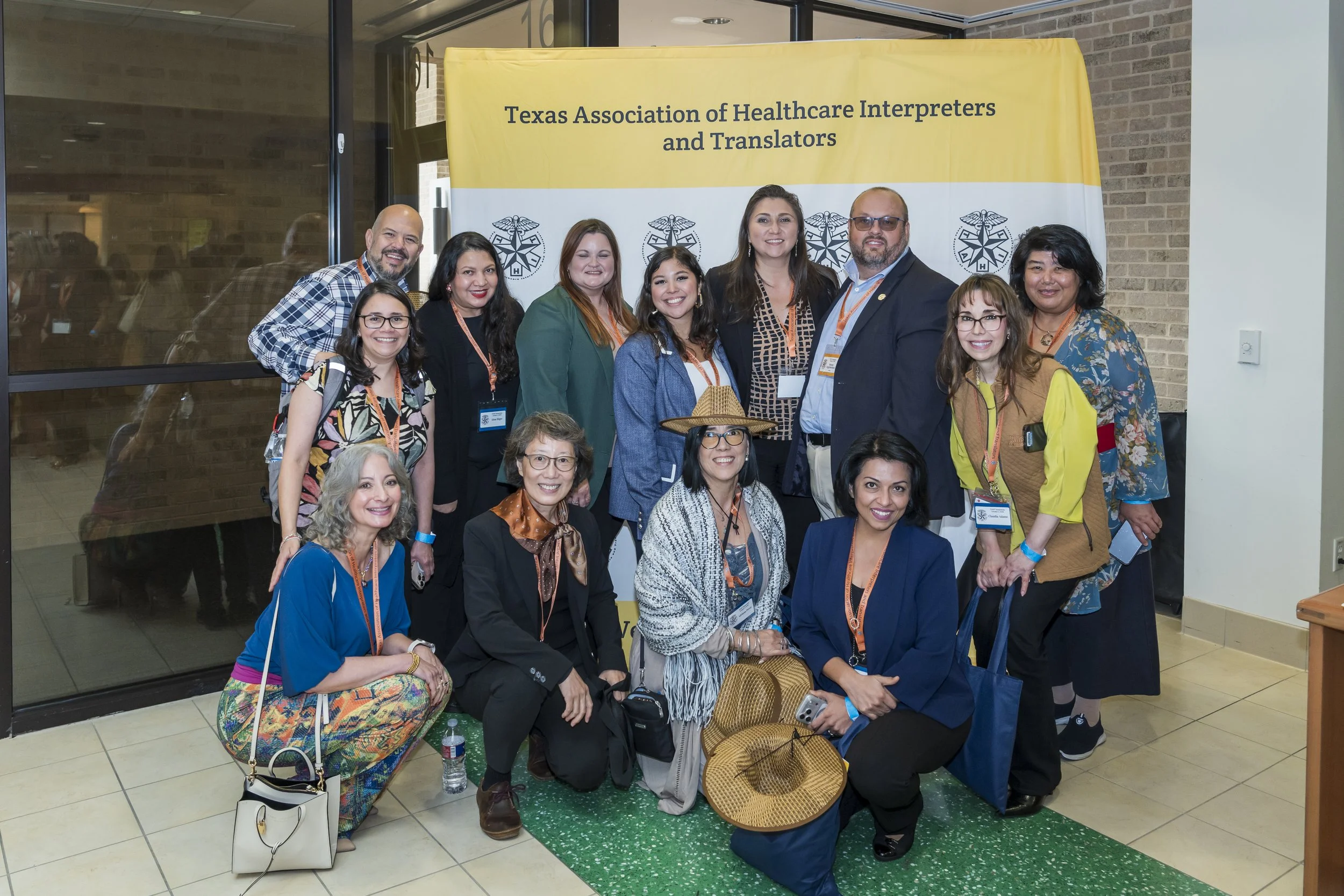
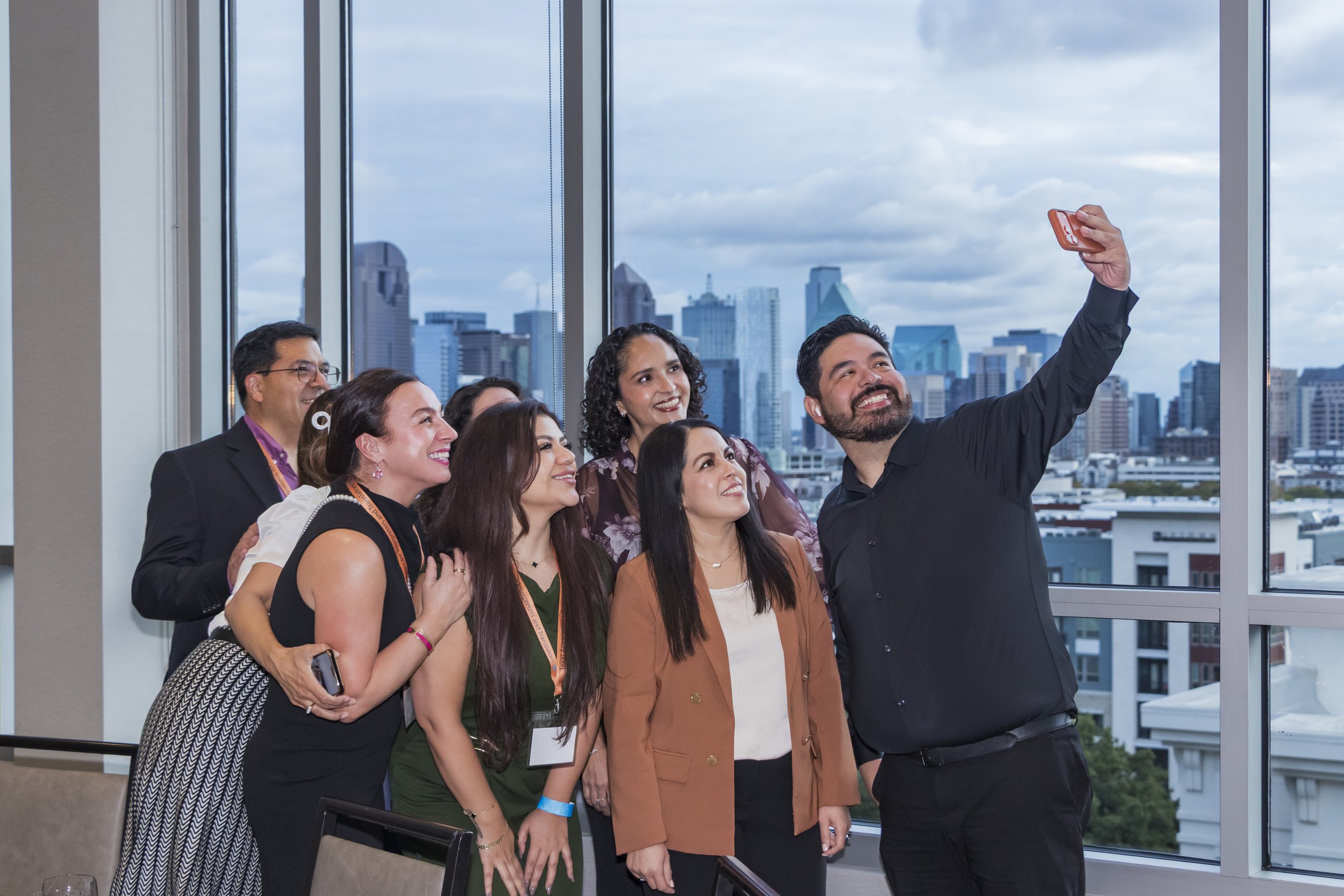
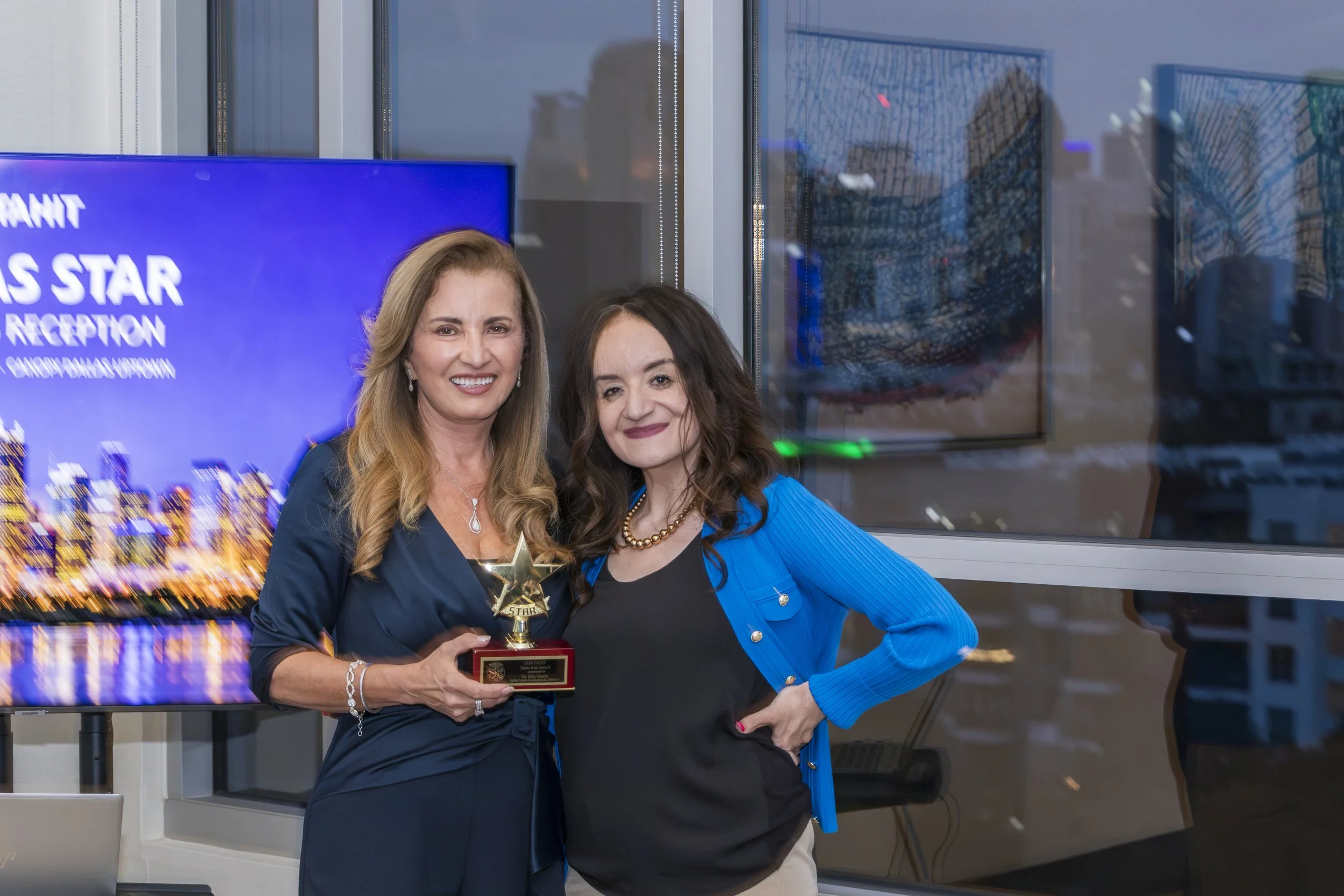
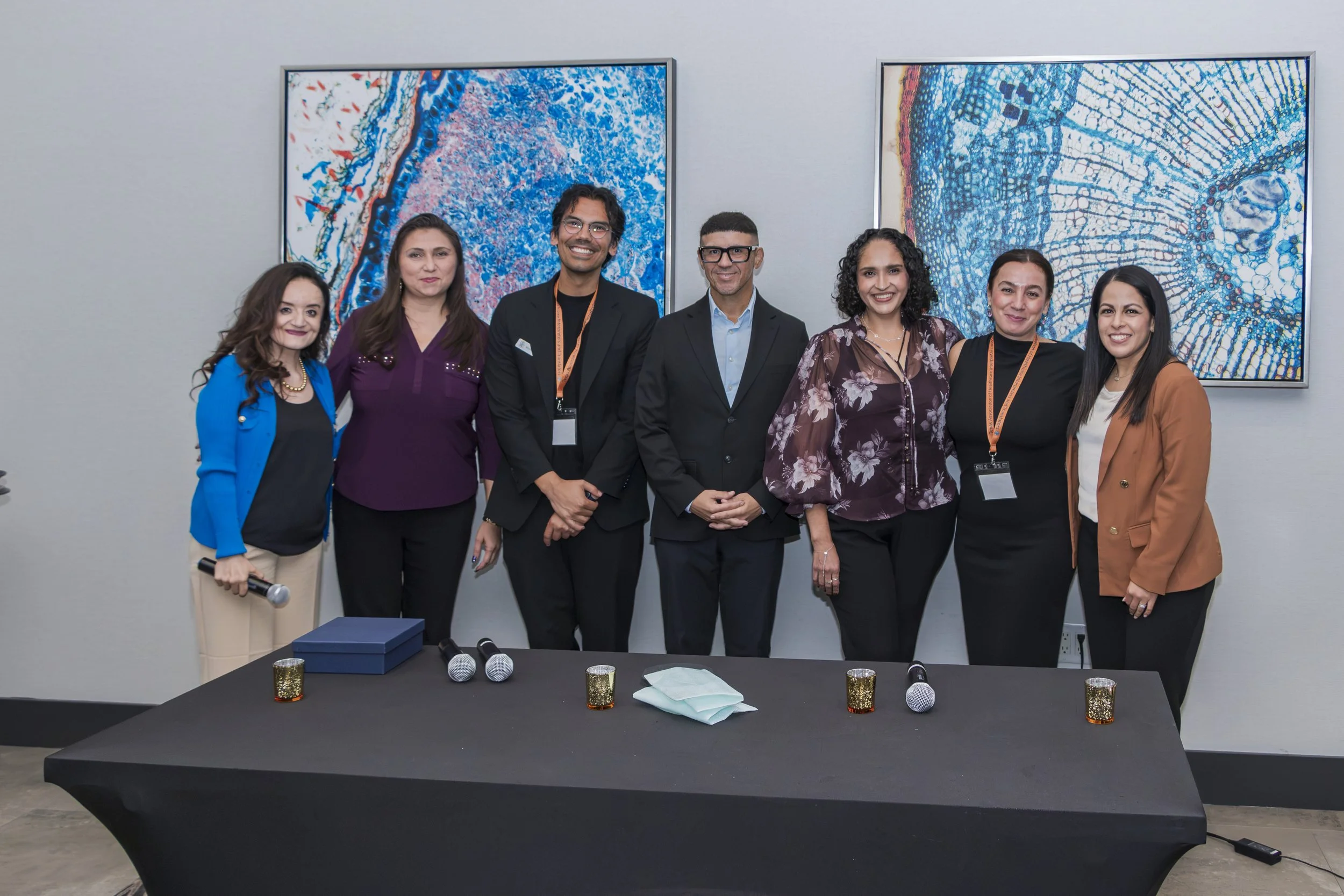
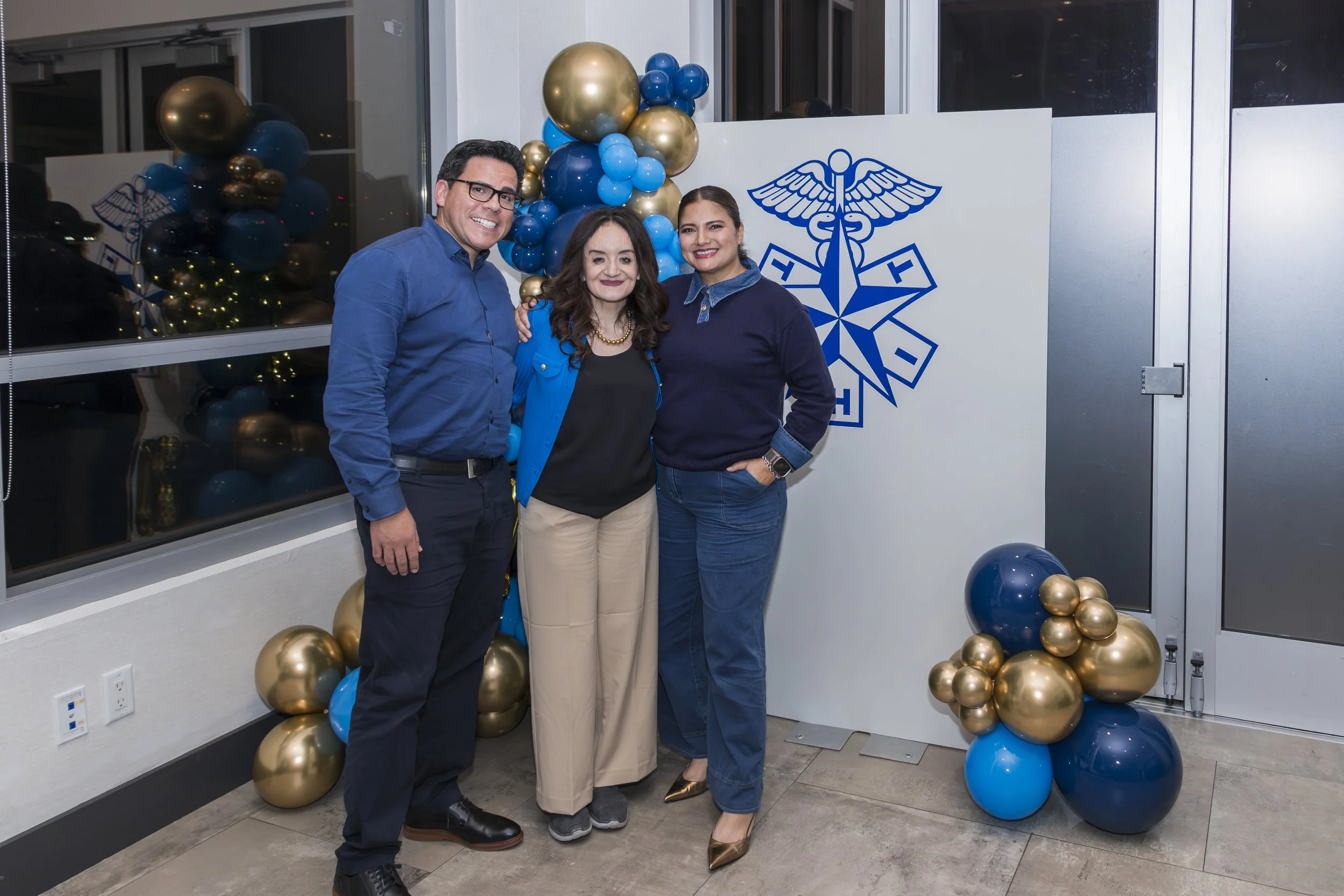
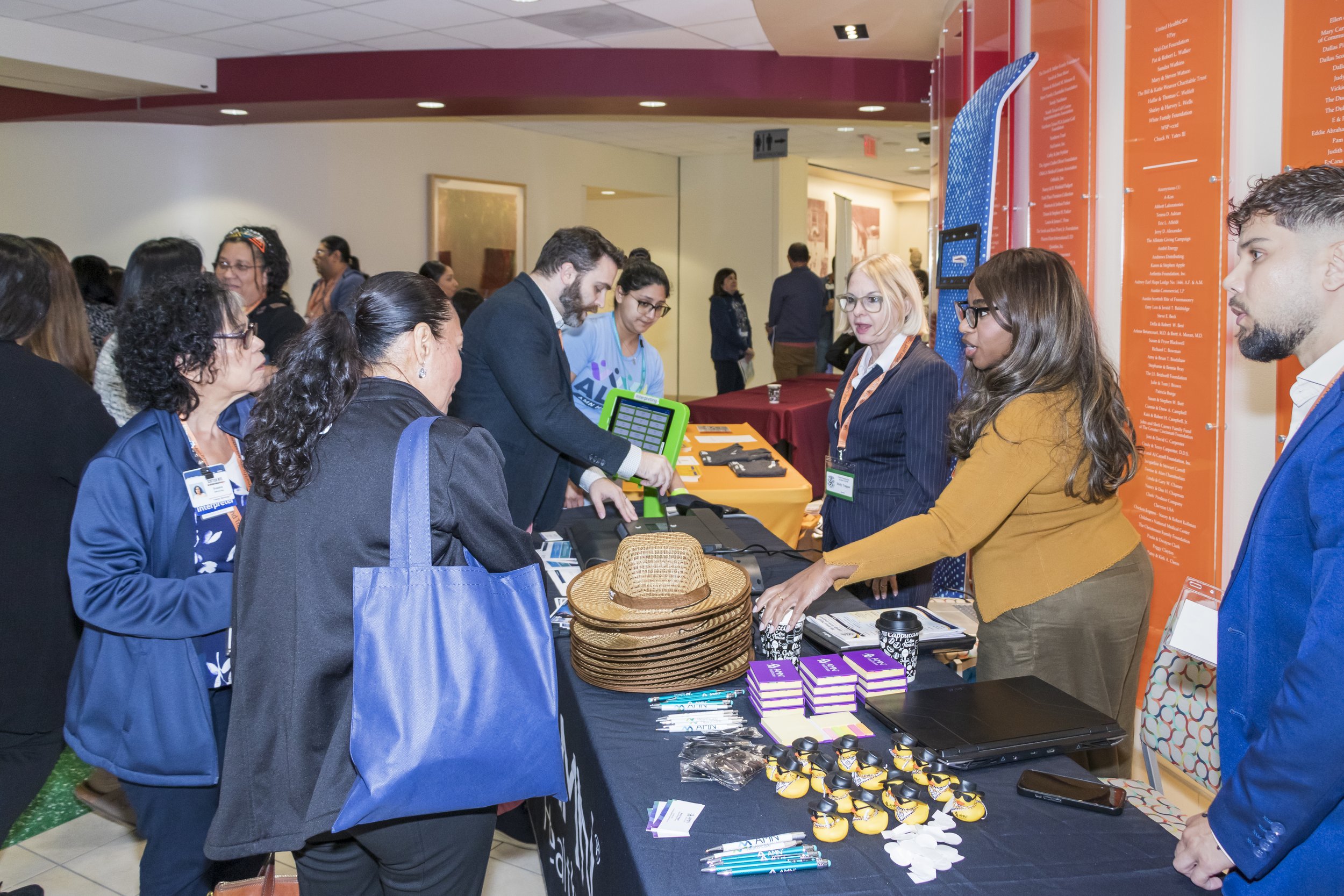
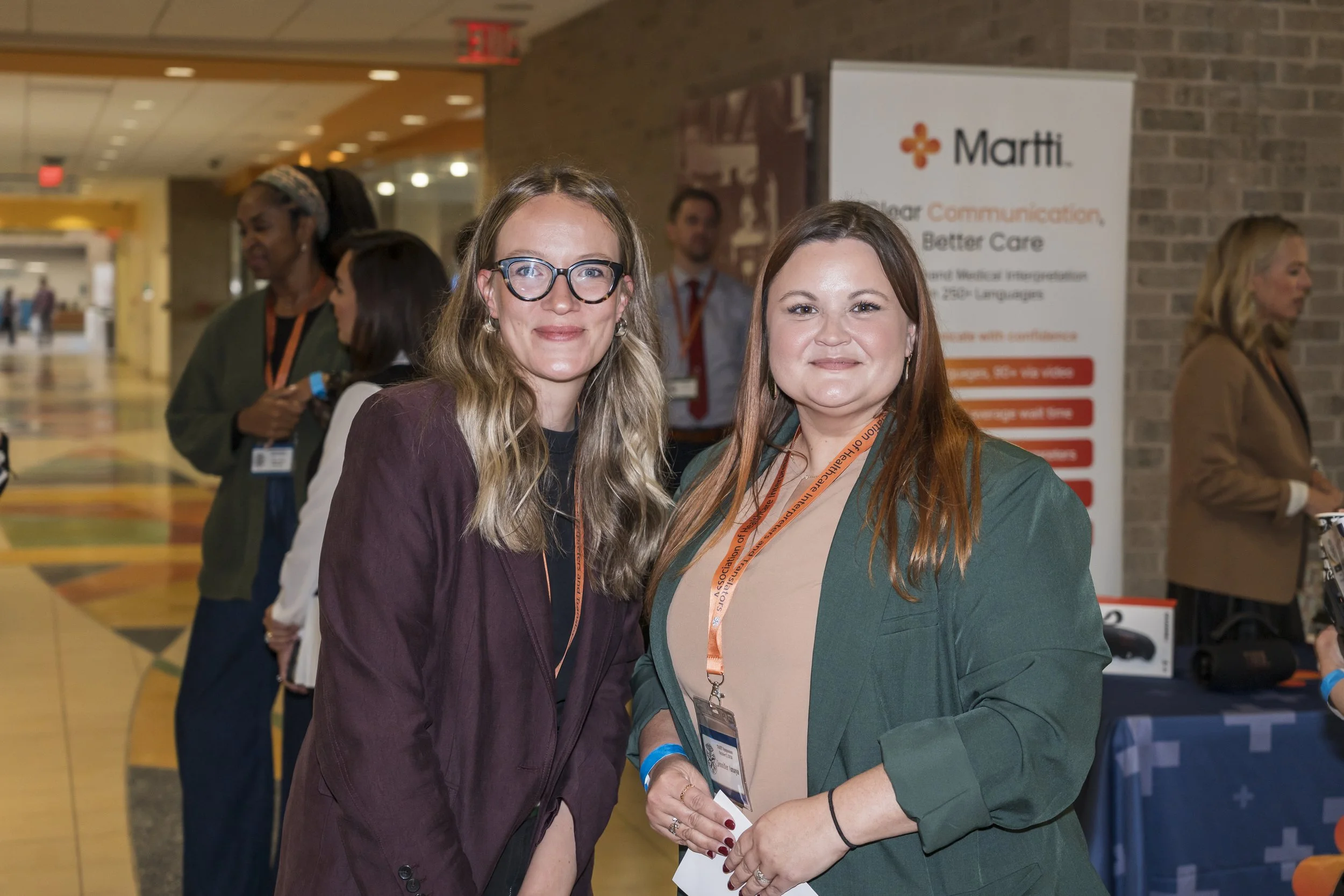
Photo Credit: James Martinez