AT&T Is Leaving Downtown Dallas for Plano — and the Real Cost Isn’t Just a Corporate Address
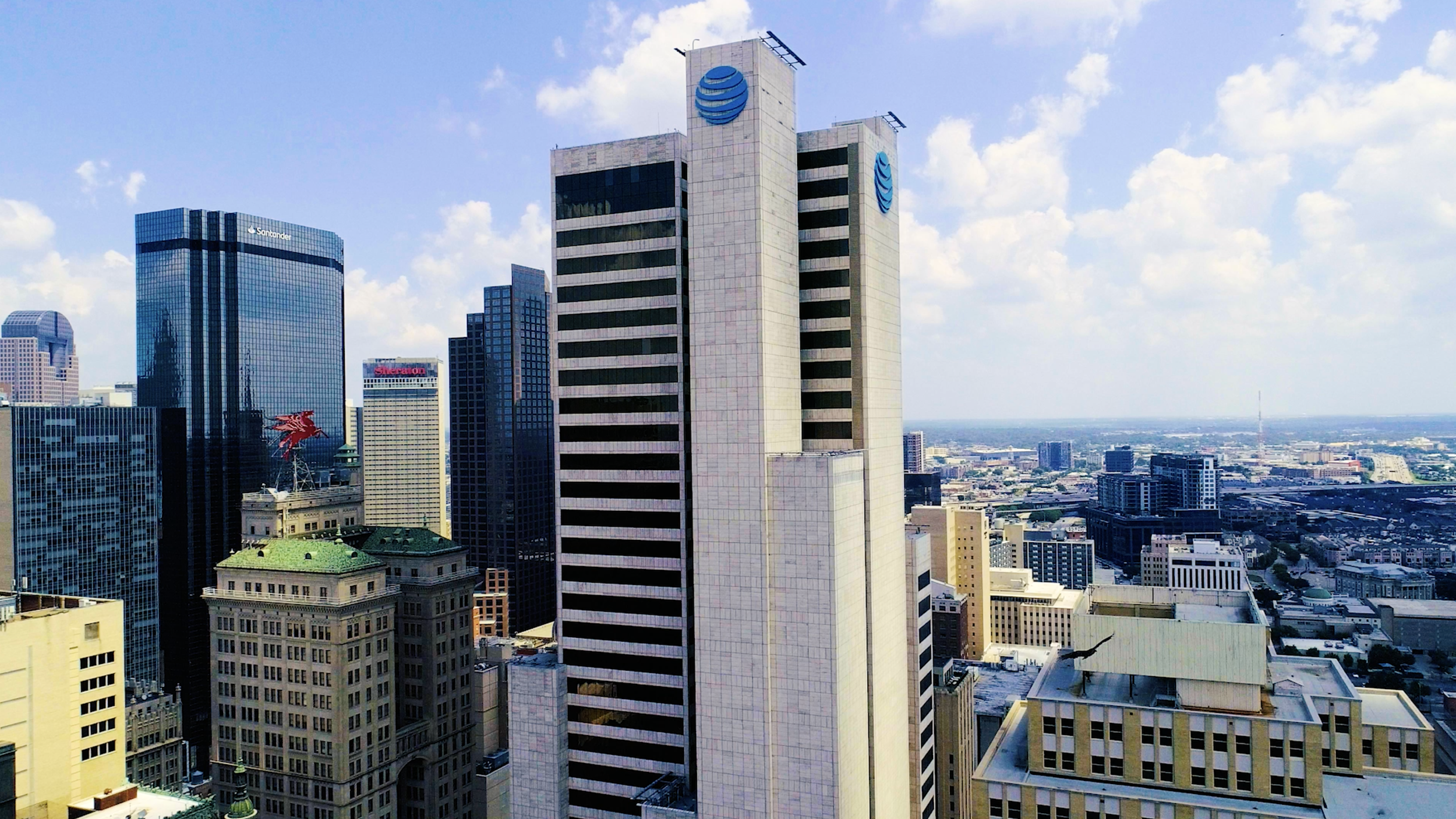
Photo: ATT Media Assets
By Rollos de Mujeres Media
January 5, 2027
Dallas just got a headline that feels bigger than business.
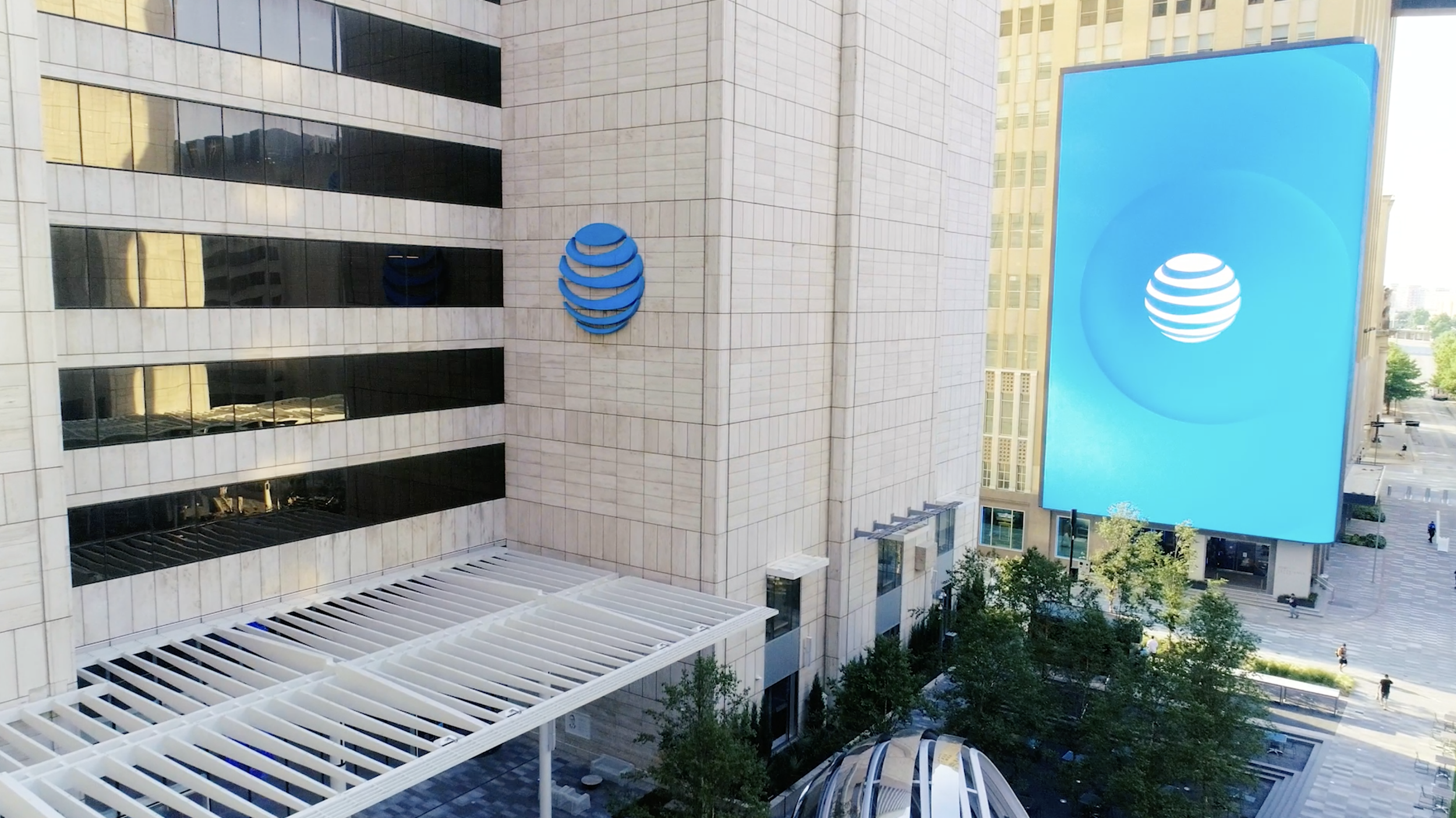
AT&T confirmed it will move its global headquarters from downtown Dallas to a new 54-acre campus in Plano, with partial occupancy expected by late 2028.
Yes, it’s a headquarters move. But it’s also a message about where power, people, and daily life are concentrating in DFW — and what downtown Dallas risks losing in the process.
What AT&T Announced (The Basics)
New global HQ: Plano (Legacy area), 54 acres
Timeline: Late 2028 partial occupancy
Scale: AT&T has 10,000+ employees across North Texas
Downtown footprint: AT&T owns three buildings downtown and is leasing a fourth through 2031
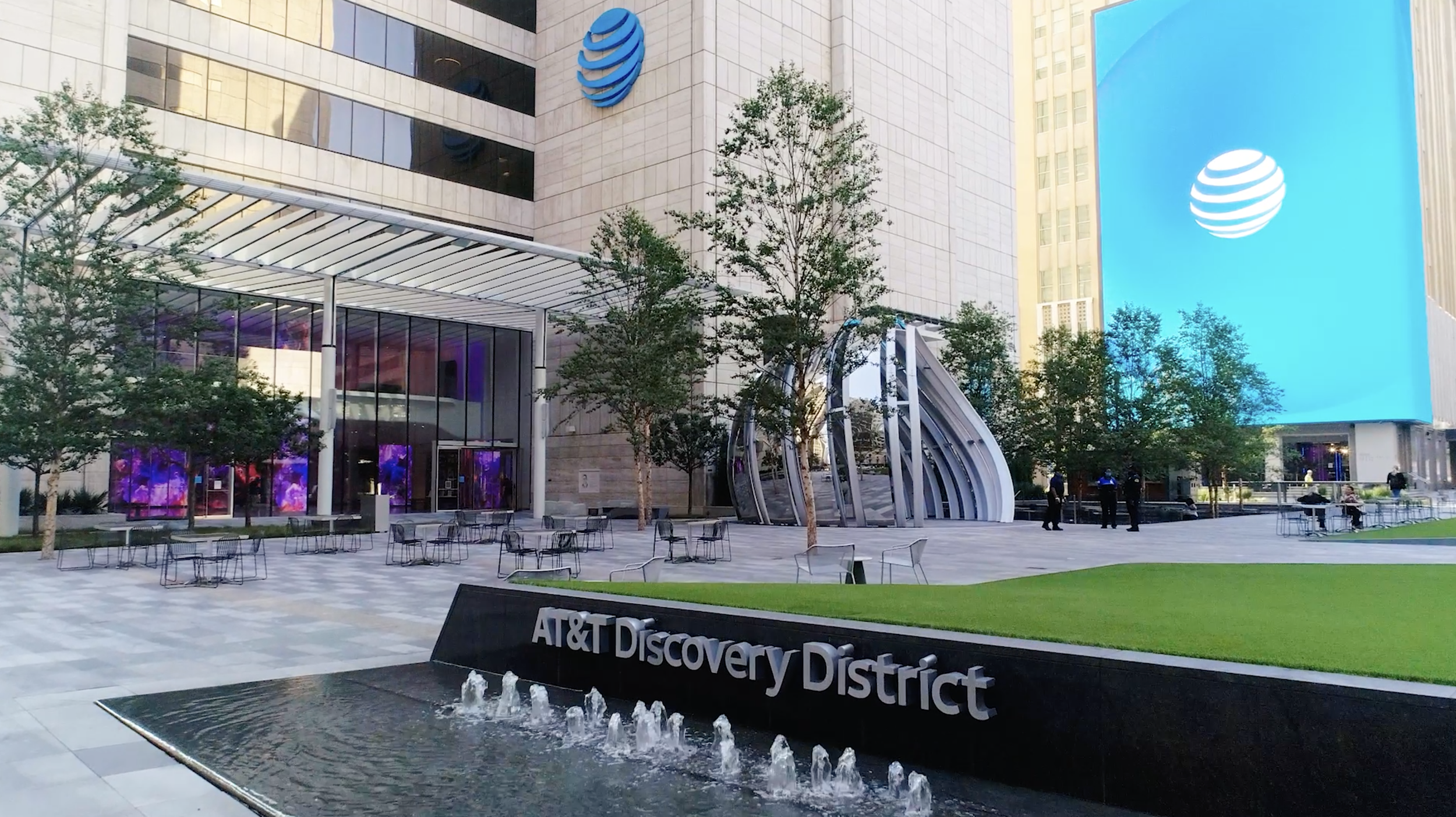
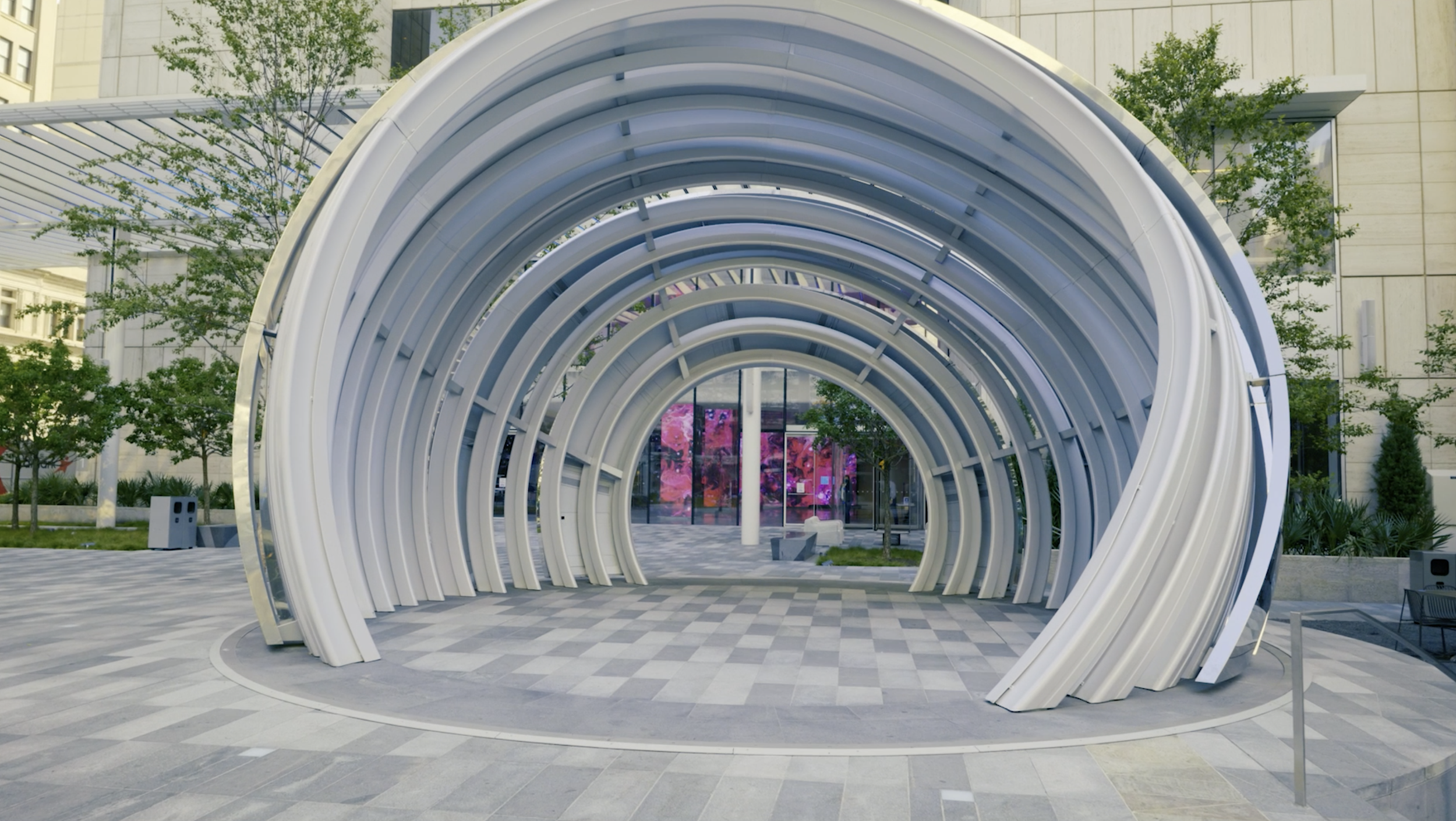
Notable context: AT&T’s downtown presence anchors the AT&T Discovery District, which regularly hosts community events
“ Downtown Dallas didn’t just host an office. It hosted a whole ecosystem.”
What This Represents for Dallas
The Tax Hit: A Real, Measurable Cost
A key detail that’s getting less attention than it deserves: the potential tax impact.
According to Chron (citing a study commissioned by Downtown Dallas Inc. and reported by WFAA), downtown property values could decrease by 30% if AT&T leaves — a $2.7B drop in property value and an estimated $62M loss in property taxes for the City of Dallas.
That’s not a symbolic loss — that’s money that helps fund city services and priorities.
Downtown Dallas Isn’t “Just Offices” — It’s Also the Stage
For years, downtown Dallas has been more than a skyline backdrop. It’s where DFW gathers for:
community celebrations
watch parties
concerts and public programming
pop-ups, food hall culture, and weekend tourism energy
Axios notes that AT&T’s downtown offices help anchor the AT&T Discovery District, a space that regularly hosts community events.
When a major anchor leaves, the risk isn’t only empty desks — it’s the slow fade of the daily energy that supports everything around it: restaurant lunch rushes, after-work gatherings, foot traffic, and the momentum that makes a district feel alive instead of “only for special occasions.”
The Ripple Effect on Downtown’s Business Mix
Even if the move is gradual, the signal is immediate:
fewer corporate lunches
lower weekday parking demand
less “casual foot traffic” that keeps small businesses stable
harder math for downtown retail and hospitality
And once a major brand relocates its “center,” other decisions often follow: vendor meetings, networking, new leases, and where teams choose to gather.
What This Represents for Plano (and the Surrounding Suburbs)
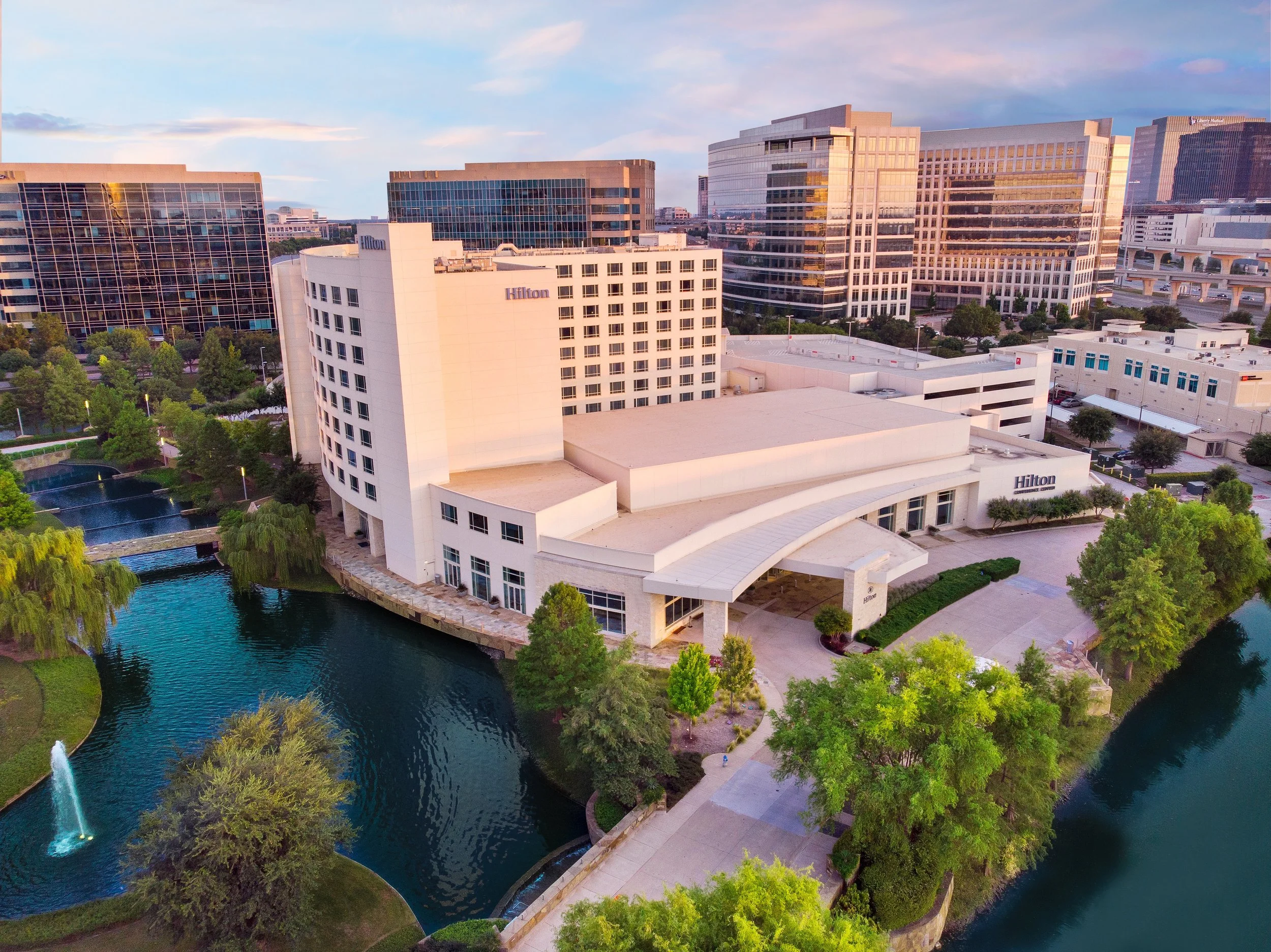
Photo credit: Hilton Granite Park
Plano’s win is not just prestige — it’s economic gravity.
A Long-Term Spending Engine Moves North
AT&T has 10,000+ employees across North Texas.
Even if only a portion becomes Plano-based day-to-day, that can translate into major weekly spending that concentrates around Legacy, retail, restaurants, and services.
A realistic, conservative scenario (forecast):
If 2,500 employees shift their weekday routine to Plano
And spend $15–$30/day near the campus (coffee, lunch, errands)
Over ~240 workdays/year
That’s roughly $9M–$18M in annual local spending moving into the Plano/Legacy orbit from just that subset.
A bigger scenario (forecast):
If 5,000 employees become consistent Plano-commuters
At the same spend range
That’s $18M–$36M/year in local commerce — before you even count visitors, vendors, meetings, and corporate events.
These are forecasts based on conservative spending assumptions, using AT&T’s published regional employee footprint and the shift in HQ gravity described in reporting.
More Than Sales: Real Estate + Services + Vendor Ecosystem
HQ decisions reshape more than lunch lines. They reshape:
apartment demand near employment centers
retail leasing strength
business services growth (wellness, dry cleaning, childcare, beauty, fitness)
B2B vendor ecosystems (events, catering, branding, consulting)
Plano leadership is already celebrating the move as momentum for the Legacy district.
The Cultural Stakes: “Downtown as a Brand”
This is where the conversation gets bigger than real estate.
Axios reports AT&T invested $100 million to turn its downtown HQ footprint into a more public-facing entertainment district — essentially reinforcing downtown as a place to gather, not just work.
When a company shifts its HQ, there can be downstream effects on:
sponsorship and partnerships
public programming budgets
where “the big screens,” festivals, and corporate-backed activations happen
the narrative of what downtown is for
Dallas isn’t losing DFW’s economic strength — the region is still booming. But Dallas is being challenged to protect the role of its urban core as a cultural engine, not just a business district.
What Happens Next
-
AT&T owns three downtown buildings and is leasing another through 2031, and has not said whether it will sell or keep them. ption text goes here
-
If downtown’s future can’t rely on office density alone, the city’s next play is likely a stronger push for:
mixed-use conversions
safety + cleanliness operations
incentives for residential density
year-round programming that makes downtown a “regular plan,” not a rare plan
-
This HQ move adds to the momentum of the north suburbs as a corporate center — and once a critical mass happens, it’s self-reinforcing.
Rollos de Mujeres Perspective
AT&T’s move doesn’t mean Dallas is failing — but it does mean Dallas is being forced into a new reality:
The cost is financial: a reported $62M potential property tax loss tied to downtown value decline.
The cost is cultural: downtown is a stage, and stages need постоян energy, not occasional spotlights.
Plano’s gain is structural: new long-term commerce, vendor ecosystems, and “center of gravity” advantages that will radiate into surrounding areas.
DFW is still winning. The question is: which parts of DFW get to define the story next — and what Dallas chooses to do to keep downtown not only relevant, but irresistible.
Subscribe to get the next update in your inbox, and tell us in the comments:
Will this shift change where you work, meet clients, or spend time in DFW?