
Community College vs University: Which Is Better in Today’s Economy?
By Ana Cruz - Founder & Chief Editor
College Month: Why Higher Education Still Matters
April is recognized as College Month, making it the perfect time to evaluate the value of higher education in today’s economy. In this week’s episode of The Ana Cruz Show, we explore one of the most searched questions today: Is college still worth it in 2026?
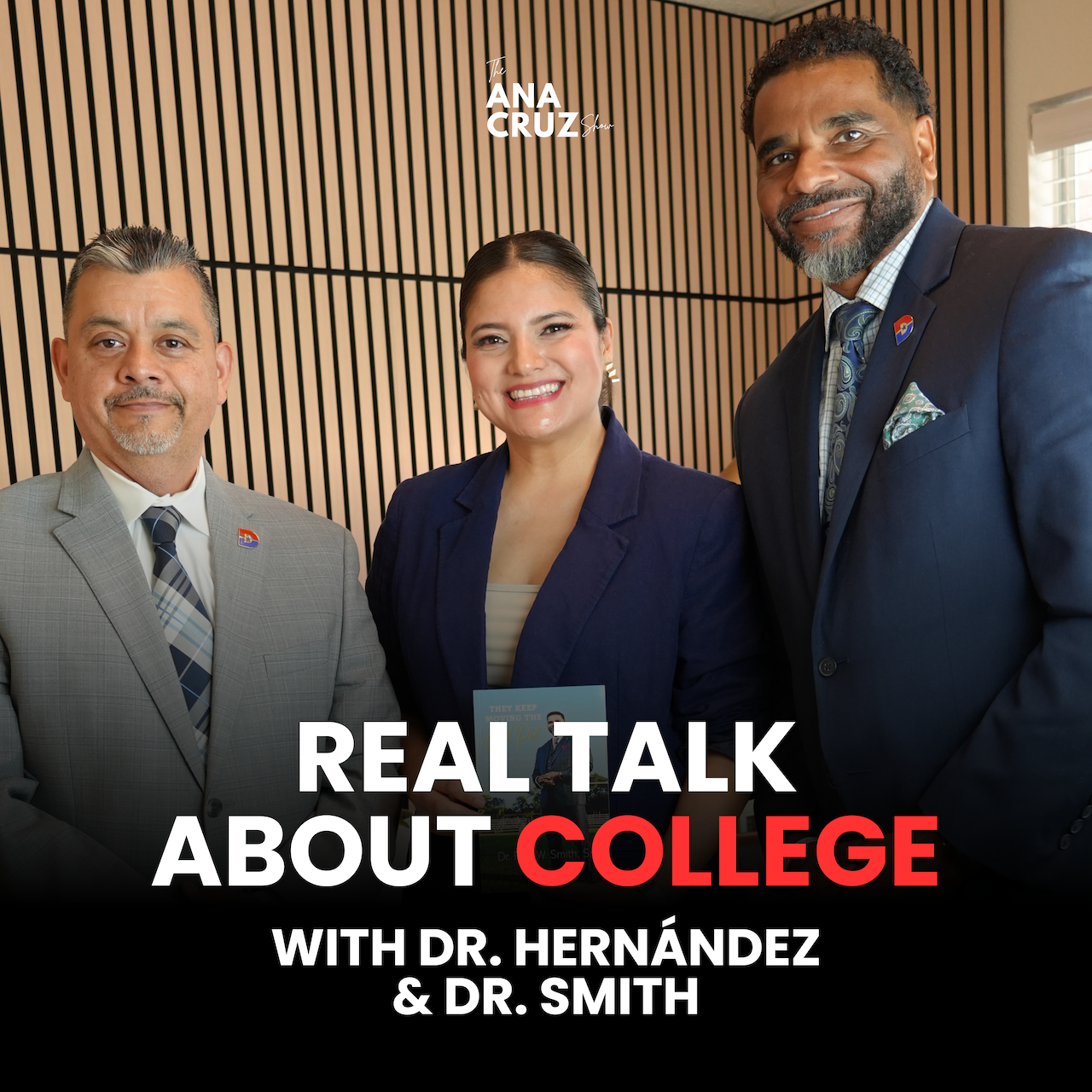
I had the opportunity to speak with Dr. Macario Hernandez, President of Dallas College Mountain View Campus, and Dr. Rick W. Smith, President of Dallas College North Lake Campus. Together, we discussed the realities students and families face—from rising tuition costs to uncertain job prospects—and what it truly means to invest in education today.
College Degree vs No Degree: Salary and Unemployment Statistics
When evaluating whether college is worth it, the data is still compelling. According to the U.S. Bureau of Labor Statistics:
College graduates earn over $1,500 per week on average
High school graduates earn less than $1,000 per week
Unemployment rates are significantly lower for those with a degree
However, the conversation has evolved. It’s no longer just about getting a degree—it’s about making smart education choices. Fields of study, technical skills, and real-world experience now play a critical role in determining career success.
Why Are Recent College Graduates Struggling to Find Jobs?
A growing concern is the rising unemployment rate among recent graduates, currently around 5% or higher. While this is still lower than historical averages, it highlights a key shift in the job market.
Some contributing factors include:
The rise of artificial intelligence and automation
Fewer entry-level opportunities in certain industries
Employers prioritizing experience and skills over degrees alone
During our conversation, both college presidents emphasized the importance of aligning education with workforce demands. Today’s students must think strategically about internships, certifications, and career pathways while still in school.
Community College vs University: Key Differences in Cost and Opportunity
One of the most valuable parts of our discussion focused on the difference between community colleges and traditional universities.
Community College Benefits
Lower tuition costs (often saving thousands per year)
Flexible schedules for working students
Career-focused programs and certifications
Easier transfer pathways to four-year universities
University Benefits
Broader academic programs
Traditional campus experience
Expanded networking opportunities
Institutions like Dallas College are bridging the gap by offering affordable, high-quality education that prepares students for both immediate employment and continued academic success.
How Education Changes Lives: Real Stories That Inspire
Beyond statistics and trends, what stood out most were the personal stories shared by Dr. Hernandez and Dr. Smith. Both leaders spoke about how education transformed their lives, opening doors to leadership roles and opportunities they once thought were out of reach.
Their journeys are a powerful reminder that education is more than a financial decision—it’s a life-changing investment. For many students, especially first-generation college attendees, higher education represents hope, mobility, and a chance to redefine their future.
Is College Worth It in 2026?
So, is college still worth it? The answer is yes—but with a strategy.
Higher education continues to provide strong economic and personal benefits, but success depends on making informed choices. Whether through a community college or a university, students who align their education with career goals, gain practical experience, and remain adaptable will be best positioned to thrive.
🎧 Listen to the full episode of The Ana Cruz Show below to hear the complete conversation and expert insights.