
Dallas–Fort Worth: The Region Where Business Grows Fast — But Not Every Business Grows Well
By Ana Cruz, Chief Editor & Founder
National attention, corporate migration, and economic momentum have turned DFW into one of America’s most watched markets. The opportunity is real. So is the pressure.
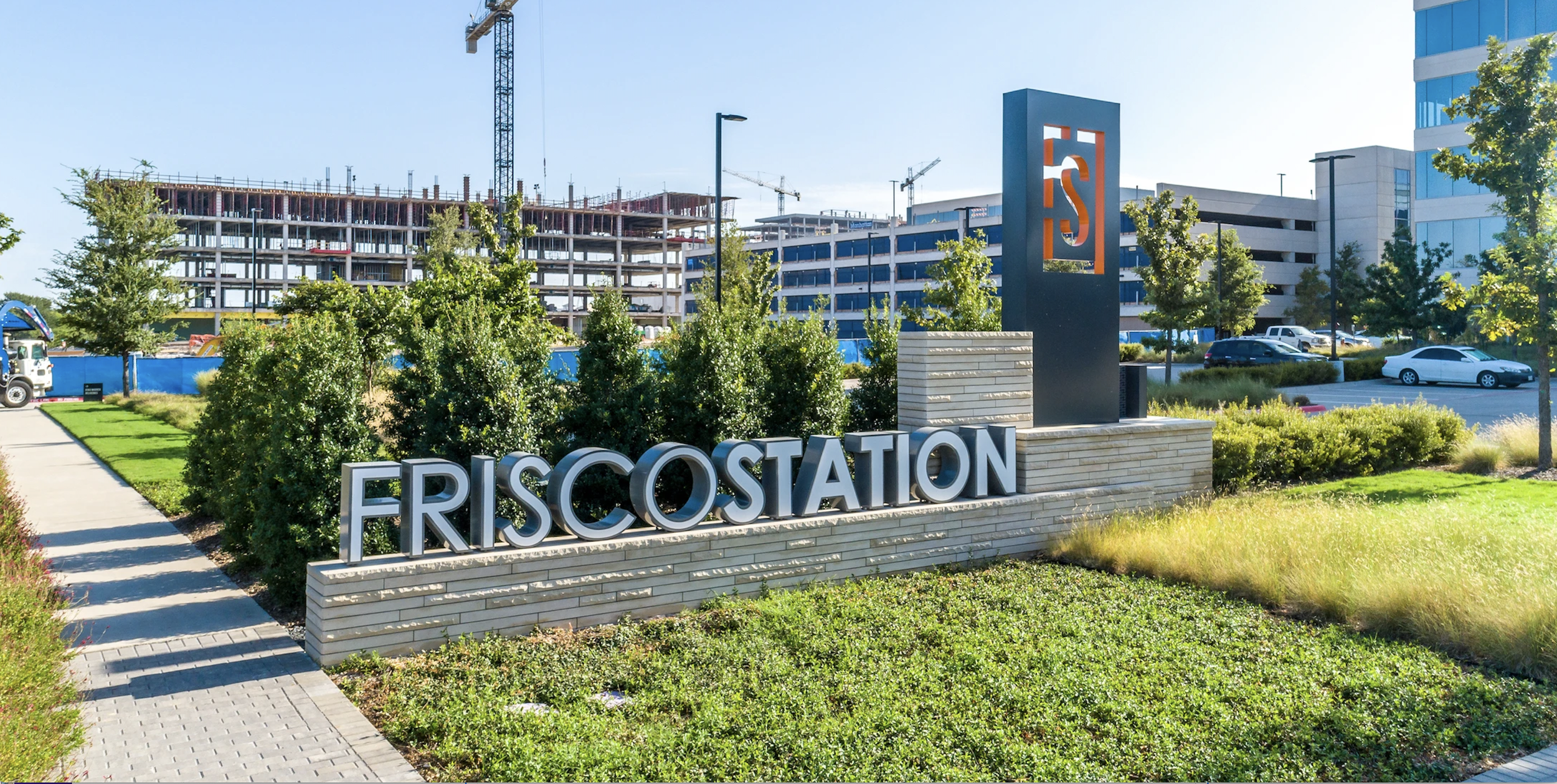
Photo: Frisco Economic Development
This week on The Ana Cruz Show, part of Rollos de Mujeres Media, I’m releasing a conversation with Shona Sowell, who is running for Frisco Mayor. One of the themes we touch on is growth — not as a buzzword, but as a reality that now shapes everyday life in North Texas: development, economics, public safety, infrastructure, and the pace at which cities like Frisco are changing.
But for business owners, founders, and professionals across Dallas–Fort Worth, the bigger question is not simply whether DFW is growing.
It is whether businesses here are growing well.
Dallas–Fort Worth is no longer just a promising market people mention in trend reports. It has become one of the country’s defining business stories. Between 2023 and 2024, the metro added nearly 178,000 residents, one of the largest population gains in the nation, pushing the region to roughly 8.3 million people. That kind of growth is not background noise. It changes the talent pool, customer base, real estate pressure, labor competition, and the speed at which local markets evolve.
The national business world has noticed.
CBRE’s 2025 headquarters relocation analysis found that Dallas–Fort Worth ranked No. 1 in the U.S. for corporate headquarters relocations from 2018 through 2024, with 100 HQ moves during that span. The Dallas Regional Chamber’s 2025 economic development materials also highlight major relocations and expansions tied to companies such as Caterpillar, CBRE, Charles Schwab, AECOM, Jacobs, McKesson, and others, reinforcing that North Texas is not just attracting startups or speculative interest — it is attracting serious corporate infrastructure and long-term investment.
That attention translates into real economic weight. The Bureau of Economic Analysis reported that the Dallas–Fort Worth-Arlington metro generated about $744.7 billion in GDP in 2023, and its real GDP grew 3.2% from 2022 to 2023. In practical terms, DFW is operating at a scale that places it among the country’s largest regional economies.
From the outside, that sounds like a golden era for business. And in many ways, it is.
A larger region means more consumers, more investors, more vendors, more partnerships, more hiring potential, and more visibility. It means a local founder in Frisco, Dallas, Fort Worth, Plano, or Arlington is building in a market with national relevance instead of local-only limitations. It means that for many entrepreneurs, DFW offers the rare combination of economic energy and cultural momentum.
But booming regions do not reward everyone equally.
Fast-growth markets are often mistaken for easy-growth markets, and that is where many businesses get it wrong. As major employers move in, they do not just bring prestige. They raise the bar for talent acquisition, compensation expectations, commercial real estate, customer expectations, and speed of execution. Even with a relatively healthy labor market, DFW’s unemployment rate was 3.6% in early 2026, a sign that businesses are still operating in a competitive environment for workers.
Then there is the cost question.
DFW is still often perceived nationally as more affordable than coastal business hubs, and in some ways that remains true. Zillow’s February 2026 data put average asking rents at about $1,630 across Dallas–Fort Worth-Arlington, below the national average of $1,895. Dallas was around $1,591 and Fort Worth around $1,554. But “less expensive than New York or California” is no longer the same thing as “cheap.” Affordability pressure is rising for workers, renters, and entrepreneurs alike, especially once insurance, wages, transportation, and fit-out costs are added to the equation.
In Frisco, where the growth conversation is especially intense, the city’s 2026 at-a-glance profile reports a population of about 245,470, a median home value of $735,300, and median monthly renter costs of $2,200. Those are not abstract numbers. They affect the workforce pipeline, small-business hiring, commuting patterns, and the long-term sustainability of “live-work-grow” narratives that cities like Frisco like to sell.
This is why the smartest business conversation in DFW right now is not about growth for growth’s sake.
It is about disciplined growth.
For local businesses, that means asking harder questions. Not “How do we expand because the region is hot?” but “How do we scale without getting swallowed by competition, overhead, or brand dilution?” Not “How do we look bigger?” but “How do we become more essential?” Not “How do we chase every opportunity?” but “Which opportunities still make sense in a region where everyone is chasing momentum at once?”
Because in a fast-moving market like DFW, noise grows too.
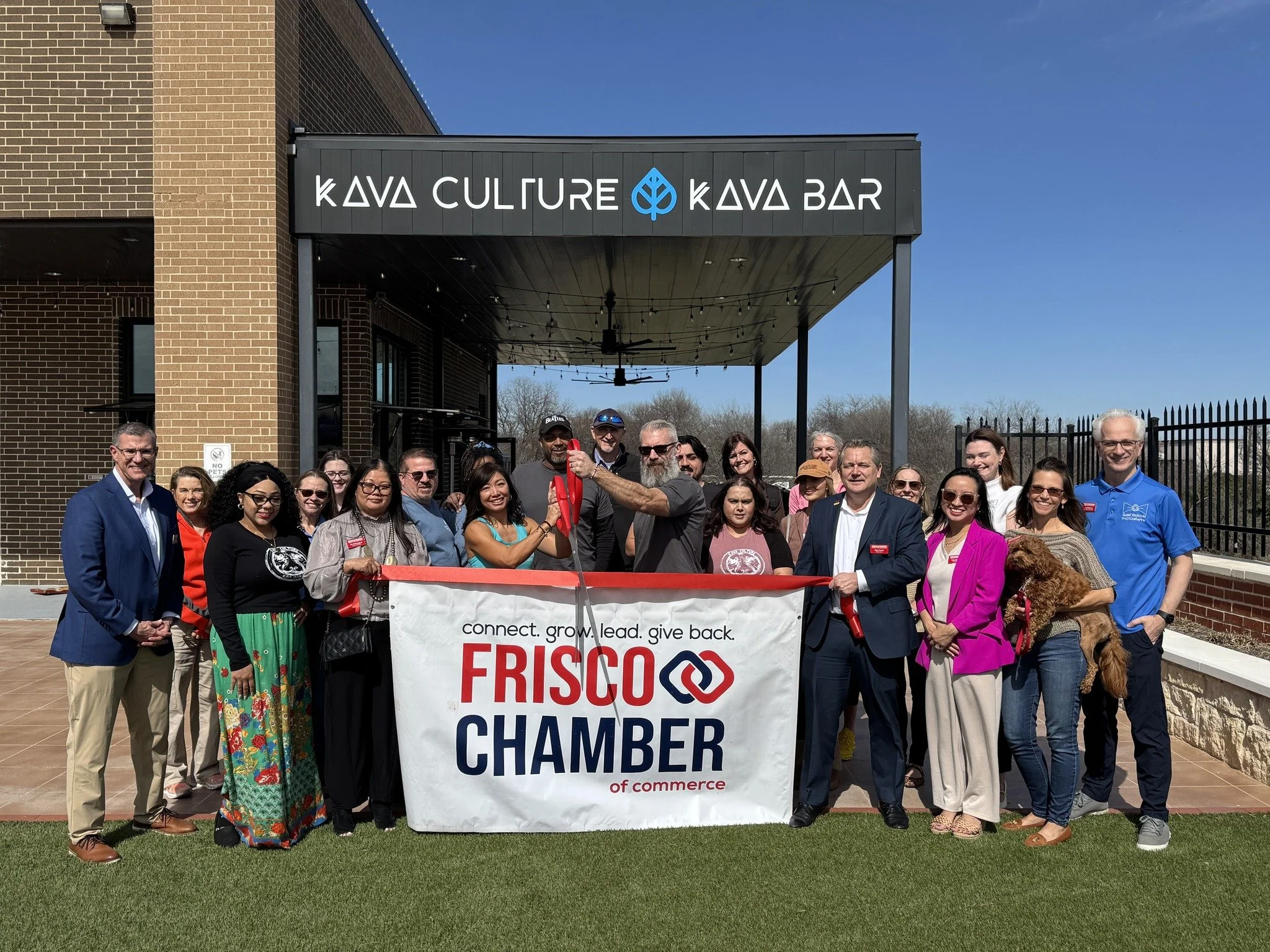
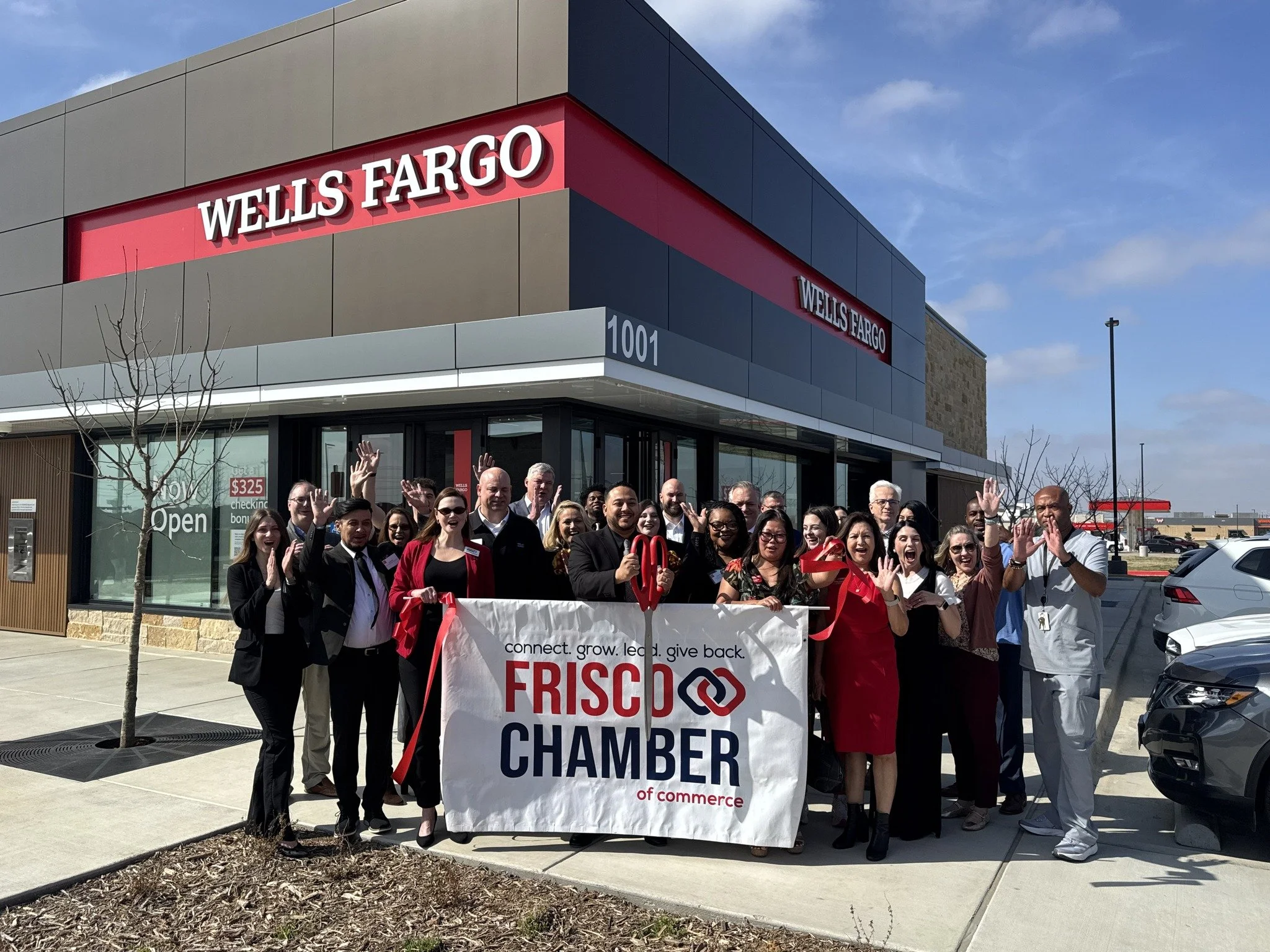
Photos: Frisco Chamber of Commerce
More businesses are launching. More brands are advertising. More founders are networking. More companies are relocating. More developers are pitching. More leaders are promising. Visibility alone is no longer a differentiator. Being local is not enough. Growing fast is not enough. Even being good is not always enough.
The businesses that win in North Texas over the next few years will likely be the ones that understand this shift early: DFW is no longer a place where you grow simply because the region grows around you. DFW is becoming a place where you need sharper positioning, stronger operations, better people strategy, and a much clearer value proposition.
That is the real transition happening here.
North Texas is moving from opportunity-rich to execution-heavy.
And that is not bad news. It is a sign of maturity.
It means Dallas–Fort Worth is no longer just attracting attention because it is cheaper, bigger, or friendlier to business than somewhere else. It is attracting attention because it is becoming one of the places where the future of American business is being negotiated in real time — through migration, infrastructure, cost pressure, local politics, talent wars, and the everyday choices of companies trying to build something that lasts.
The region is growing fast.
The real question now is which businesses are growing wisely.