
DART Transform: Reimagining Transit for Dallas–Fort Worth
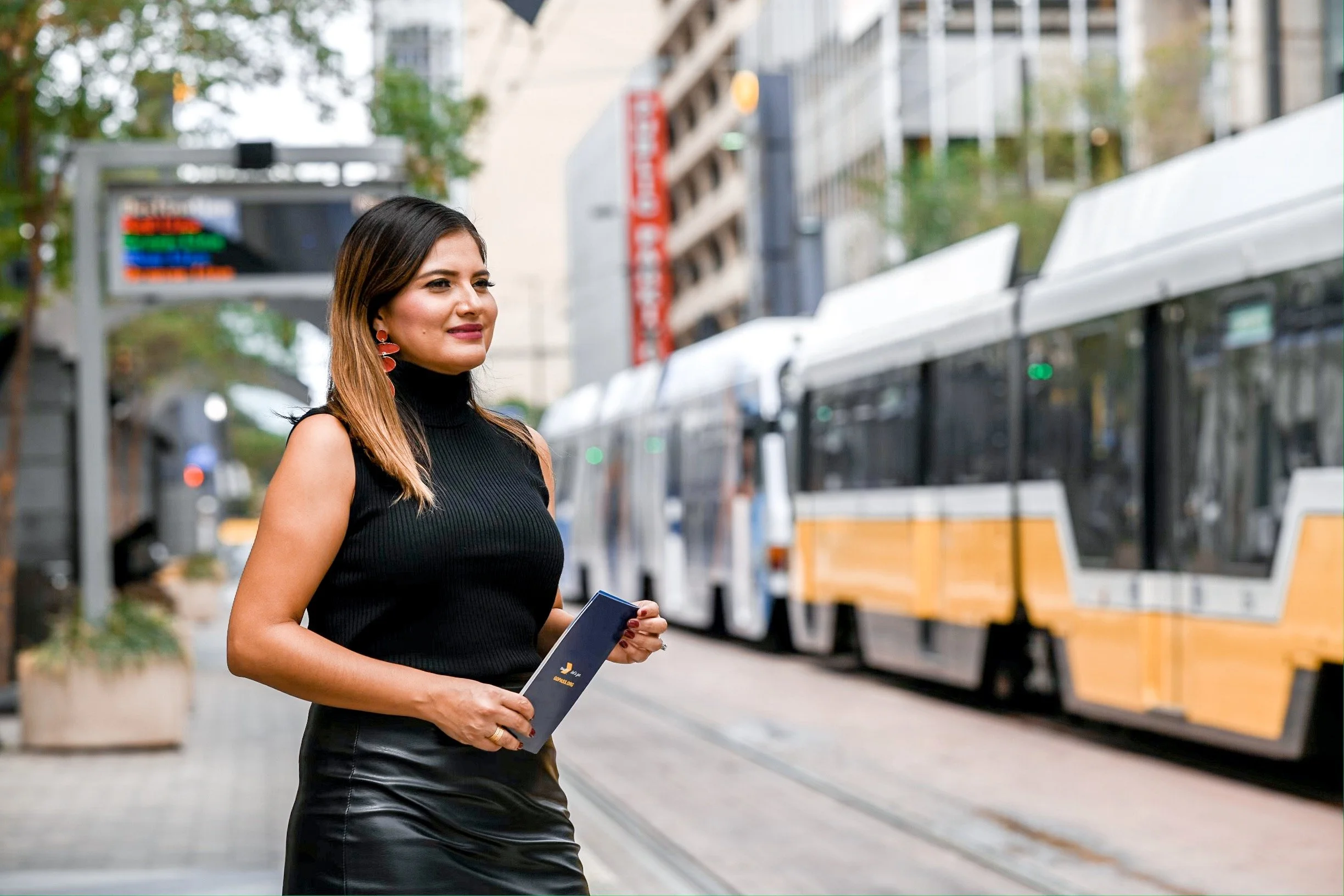
Dallas–Fort Worth (DFW) continues to boom. Corporations are opening new headquarters, startups are multiplying, and more families call the region home than ever before. But as the Metroplex grows, so does a daily and costly challenge that affects residents, commuters, and businesses alike: traffic congestion.
Traffic Is Getting Worse — And It’s Expensive
Recent data shows that DFW drivers are spending more time in traffic than before. In 2024, the average commuter in the region spent about 69 hours stuck in traffic, an increase from previous years, with congestion affecting travel on key corridors across the metro area.
The costs add up. With millions of hours wasted each year sitting in gridlock, drivers lose money through fuel wasted, time lost in productivity, and higher vehicle operating costs — contributing to a tangible economic impact on households and businesses.
DFW’s traffic challenges stem from multiple converging factors:
Population and Job Growth: With the region welcoming new residents and jobs, more people are commuting longer distances.
Business Expansion & Headquarters Relocations: Major companies choosing DFW for their headquarters brings workforce influx and increased commuting demand.
Car‑Dependent Infrastructure: Much of the region’s layout still relies heavily on personal vehicles, and even with new lanes or projects, roads fill up quickly.
In areas like Fort Worth and northern suburbs, drivers now regularly face long rush‑hour commutes — often averaging well over 45 minutes in heavy traffic — as traditional roadway expansions struggle to keep pace with growth.
Commuting Costs That Hit Home
For many DFW residents, traffic isn’t just an inconvenience — it’s a daily economic burden. Spending more time in congestion leads to higher fuel consumption, lost work productivity, increased wear and tear on vehicles, and elevated stress that reduces overall quality of life for commuters. According to mobility studies, delays across the region amount to tens of millions of wasted hours and gallons of fuel every year, with some highways ranking among the most congested in Texas.
DART: An Alternative Worth Considering
Enter DART Transform, a decade-long initiative designed to revolutionize public transit across the metro area, making commuting easier, safer, and more sustainable for everyone. (transform.dart.org)
Although not every commute can be shifted to transit, systems like DART help reduce overall vehicle traffic by offering:
Light rail and bus options that connect major corridors
Reduced reliance on cars for daily commuting or special trips
An option for commuters frustrated with rising toll and gas prices
While transit in DFW has historically been less dominant than in other major cities, there’s clear community interest in expanding options. A regional survey showed that many residents view expanded public transit and reduced congestion as top priorities.
The Five Pillars of DART Transform
-
Replacing the oldest light rail vehicles (LRVs) and buses.
Safer, smoother, and energy-efficient rides for all.
-
Modernizing signal systems on older lines.
Improves safety, communication, reliability, and network capacity.
-
Strengthens operations during extreme weather.
Keeps the system running safely, rain or shine.
-
Raised platforms for universal level boarding.
Upgraded amenities for comfort, safety, and accessibility.
-
Transforming existing rail facilities to be able to meet the dimensions and specifics to maintain and operate new LRVs.
Updating bus facilities with more efficient tools and spaces to maintain and operate the new bus fleet.
Timeline: What to Expect by 2030
DART Transform is a long-term plan, with major milestones over the next decade:
2026: New buses begin rolling on select routes.
2029–2030: Light rail vehicles replaced; older lines modernized.
Continuous upgrades to stations, signal systems, and operational facilities throughout the decade.
This phased approach ensures a smooth transition, keeping riders informed and minimizing disruptions while the system evolves.
Looking Ahead: Smart Planning for a Growing Metroplex
Traffic congestion in Dallas–Fort Worth reflects a dynamic, growing region — but it also underscores the need for multimodal solutions that integrate roads, transit, and community planning.
Road expansions and congestion relief projects will continue to play a role, but as DFW evolves, public transit alternatives like DART become increasingly important — not just for peak‑hour travel, but for economic resilience, environmental sustainability, and quality of life for all residents.
Stay informed and ahead of the curve in Dallas–Fort Worth. Subscribe to Rollos de Mujeres Magazine today to receive the latest insights on culture, business, transportation, and everything that shapes our vibrant community. Don’t just follow the news, be part of the conversation and the change.