
DFW Just Made National Headlines for the Future of Organ Transplants
By Ana Cruz - Rollos de Mujeres Magazine / Founder & Chief Editor
Dallas–Fort Worth is used to big headlines: booming growth, major sports, new headquarters moving in. But this week, the spotlight is on something even bigger, algo que se siente “de película” — the possibility of 3D-printing human organs.
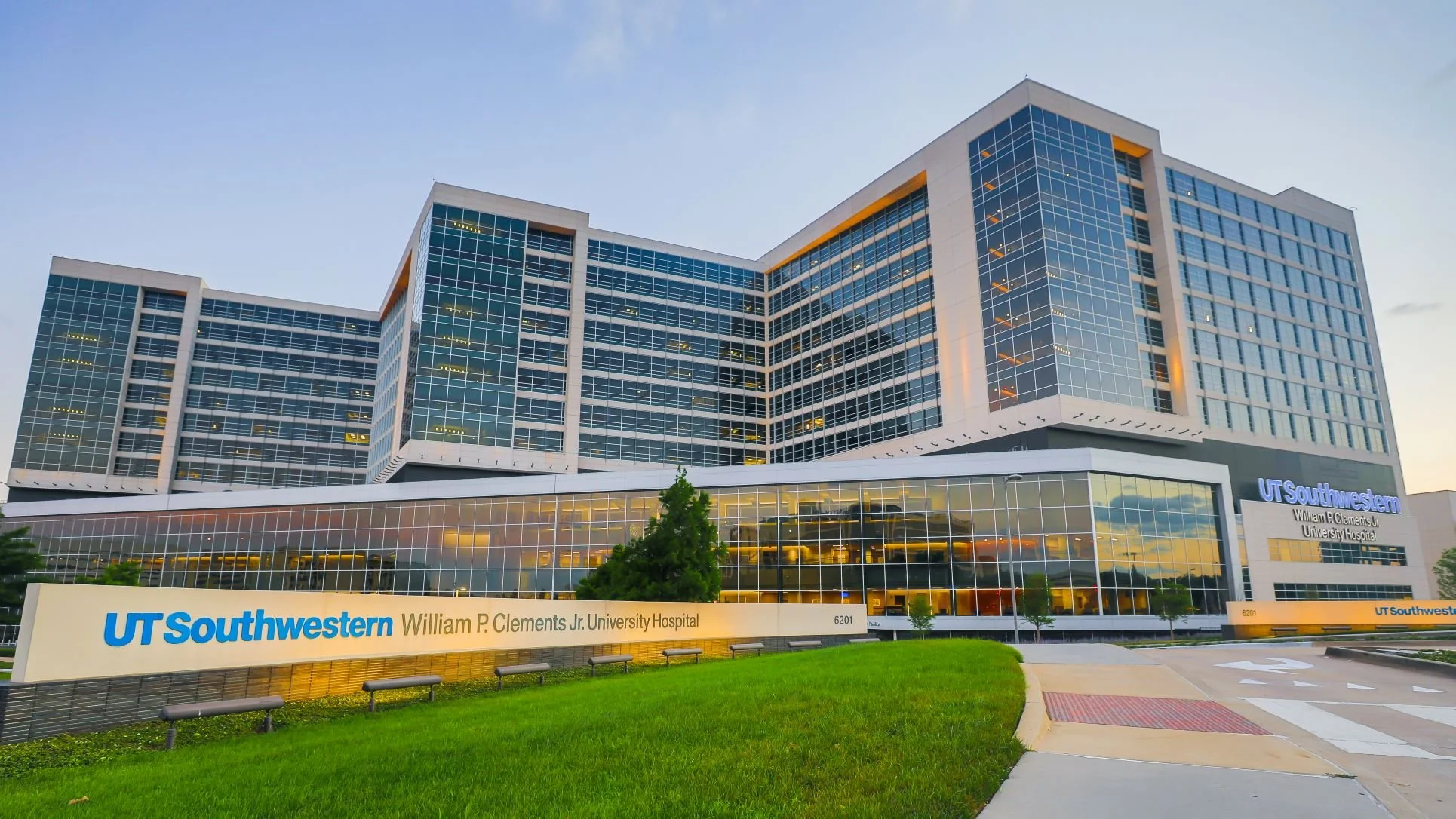
UT Southwestern Medical Center in Dallas has been awarded up to nearly $25 million over five years from ARPA-H (a U.S. health innovation agency) to help bioengineer functioning liver tissue using advanced 3D bioprinting.
Why DFW should care (even if you’re not in medicine)
Let’s make it real: organ donation saves lives, but the need is bigger than the supply. That shortage affects families in every zip code — including right here in North Texas. The promise of bioprinting is simple to understand:
Imagine building transplant-ready tissue using a patient’s own cells — potentially reducing rejection and bringing hope to people who can’t wait.
That’s the vision behind ARPA-H’s PRINT program, designed to push the science toward personalized, on-demand organs that may not require lifelong immunosuppressive drugs.
The project putting Dallas on the map
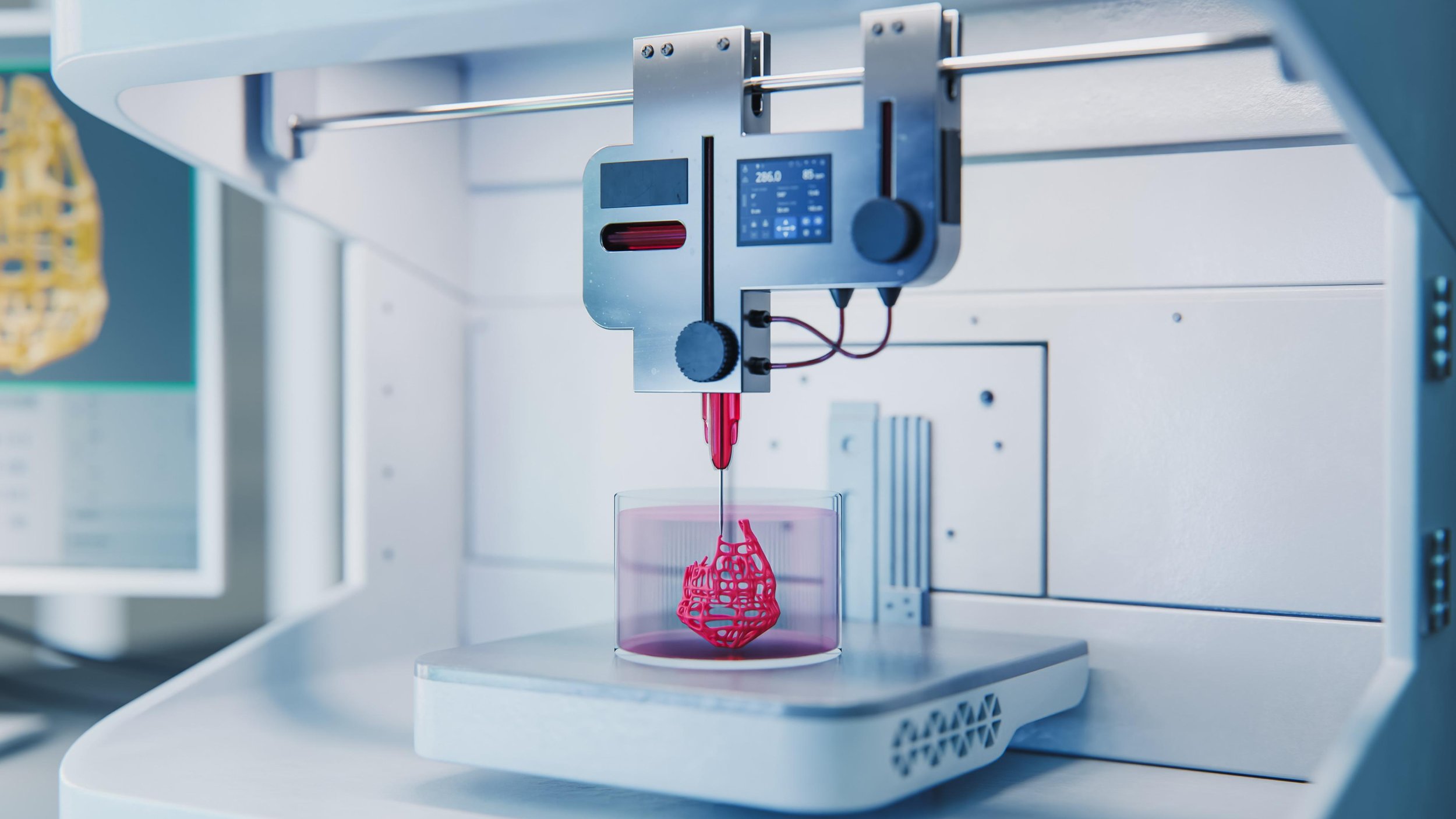
The UT Southwestern effort is known as VITAL (Vascularized Immunocompetent Tissue as an Alternative Liver). In plain English: a research push to “biofabricate” liver tissue that works like the real thing — including the complex structures an organ needs to function.
And this isn’t happening in a vacuum. UT Southwestern’s mix of research infrastructure and clinical care — including a major transplant program — is part of why this work is being anchored here.
What this could mean for Dallas–Fort Worth
This kind of federal investment doesn’t just fund science — it signals confidence in DFW as a health innovation hub. Here’s what that can translate to locally:
More high-skill jobs in science, engineering, and healthcare
More partnerships and startups growing around life sciences and biotech
More national attention for DFW as a place where breakthroughs move fast
Long-term community impact if new therapies reach patients and hospitals in our region
In other words: this is how a city becomes known not just for growth — but for discovery.
Why it’s trending beyond Texas
When ARPA-H announced awardees for its PRINT program, it made clear this is a national push to accelerate bioprinted organs and regenerative medicine. And UT Southwestern being part of that short list puts Dallas–Fort Worth in the national conversation about the future of transplants.
Our takeaway
DFW isn’t only building highways and high-rises — we’re building the future of healthcare. Y sí: it’s okay to feel proud. Because when innovation lands here, opportunity follows — and so does hope for families who are waiting.
Stay curious, DFW. This is one of those stories we’ll be telling for years. Subscribe to Rollos de Mujeres Magazine to stay informed on all DFW things.