In an Age of AI Noise, Storytelling Is the Real Competitive Advantage

Image: Azteca America - Ana Cruz
Storytelling Has Become a Business Imperative — Not a Marketing Trend
As a journalist, I learned early that information alone doesn’t move people. Context does. Meaning does. Story does.
That belief has followed me into every strategic marketing project I’ve worked on — and it’s exactly why I’m not surprised by what we’re seeing now: companies across industries are actively hiring professionals whose main responsibility is owning the brand narrative.
Not social media managers.
Not content machines.
But storytellers with editorial judgment, point of view, and credibility.
A recent Wall Street Journal report captures what many leaders are already experiencing firsthand: brands don’t just need visibility — they need clarity.
What Leaders Are Really Saying
In conversations with founders, CEOs, and executives, the language is remarkably consistent:
• “Our message isn’t landing.”
• “We don’t sound like ourselves.”
• “Everything feels polished, but nothing feels real.”
These aren’t execution problems. They’re narrative problems. In a digital ecosystem overflowing with content — much of it generated, templated, or trend-driven — audiences can sense when a brand lacks a coherent voice. What they’re craving isn’t more output. It’s direction, intention, and perspective.
What Storytelling Actually Means in Marketing
Storytelling in marketing is often misunderstood as emotional copy or clever campaigns. In reality, it’s far more strategic.
At its core, storytelling is the ability to:
• Turn insights and data into narratives people can relate to
• Establish a clear and consistent point of view
• Communicate values without sounding performative
• Build trust over time, not just attention in the moment
Good storytelling answers three fundamental questions:
1. Why does this matter?
2. Why should I believe you?
3. Why should I care right now?
That’s editorial thinking — the same discipline journalists use every day.

The Numbers Behind the Shift
This movement isn’t anecdotal. According to reporting cited by the Wall Street Journal, job postings that explicitly mention “storytelling” or “storyteller” have surged, particularly within marketing, communications, and brand strategy roles.
Executives are also talking about storytelling more openly. Mentions of narrative ownership and brand storytelling in earnings calls and investor presentations have increased dramatically over the last decade — signaling that this isn’t just a creative preference, but a business priority.
Why? Because companies are now their own media platforms. Blogs, podcasts, newsletters, social channels, and video series have replaced traditional gatekeepers. With that control comes responsibility: to be coherent, credible, and consistent.
Why Generic Content Is Failing
AI has made it easier than ever to produce content. It has not made it easier to produce meaning.
When everyone can publish quickly, the differentiator becomes:
• judgment over volume
• perspective over trends
• narrative over noise
Audiences don’t remember who posted first. They remember who made sense.
Successful examples of brands using storytelling
1) Nike
Nike doesn’t sell shoes—it sells identity and self-belief. It’s storytelling focuses on perseverance, resilience, and personal growth, featuring both elite athletes and everyday people. By telling stories of struggle, failure, and comeback, Nike creates an emotional connection that allows audiences to see themselves reflected in the brand.
2) Dove (Real Beauty)
Dove reshaped the beauty industry by shifting the narrative from “perfect beauty” to real beauty. Through authentic, human-centered stories around self-esteem, representation, and vulnerability, Dove built trust and credibility. The result was not just brand awareness, but deep emotional resonance and long-term loyalty.
Our example: Rollos de Mujeres Media x Traders Village (Grand Prairie)
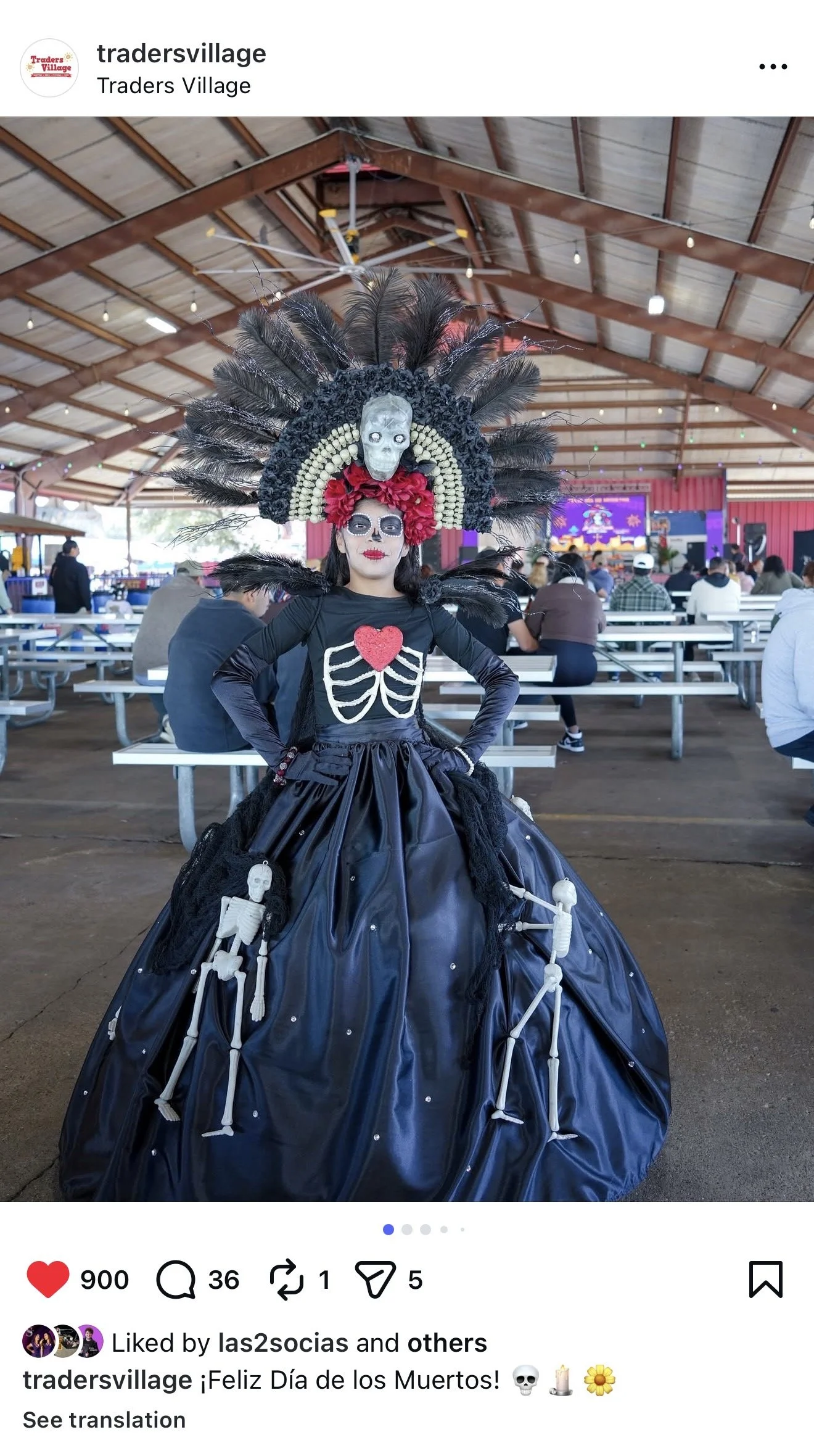
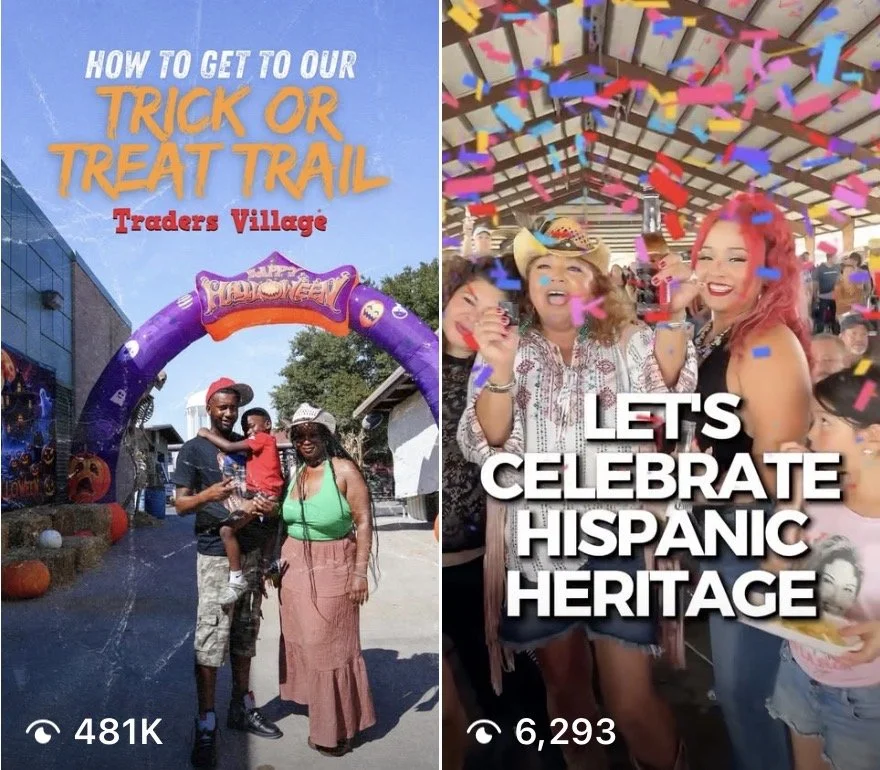
Over the past three years, as part of the marketing strategy for our client Traders Village in Grand Prairie, we focused on telling their story, amplifying their voice, and building trust with their audience. Our approach was rooted in storytelling through the featuring of vendors, the use of authentic and relatable language, and the creation of compelling narratives around each offering within the market. Through this storytelling, we created an emotional connection with the audience—allowing the brand to reconnect deeply with its Latin roots and cultural identity, while also inviting audiences from other backgrounds to discover, experience, and engage with Latin culture. We highlighted not only the products and experiences, but also Traders Village’s 50-year legacy, cultural significance, and role within the community. This storytelling-driven strategy led to unprecedented organic engagement, scaling reach from 35,000 views per month to over 3 million, transforming Traders Village from a marketplace into a brand with identity, history, and a strong sense of community.
Storytelling Builds Equity
Trends will continue to rise and disappear at record speed. Algorithms will change. Platforms will shift. But a clear, credible story compounds.
It shapes how people interpret everything else you do — from product launches to leadership decisions to moments of crisis. That’s why companies are no longer just hiring marketers. They’re hiring narrative owners. Because storytelling isn’t decoration. It’s strategy.
And in a world full of sameness, a strong point of view is the most human signal a brand can send. If you care about ideas, perspective, and stories that go beyond trends, subscribe to Rollos de Mujeres Media. We explore culture, leadership, and storytelling with depth, intention, and a human point of view.
If you have a brand or business you want to scale through storytelling and strategic marketing, we’d love to connect. Contact us to learn more about our services at info@rollosdemujeres.com.