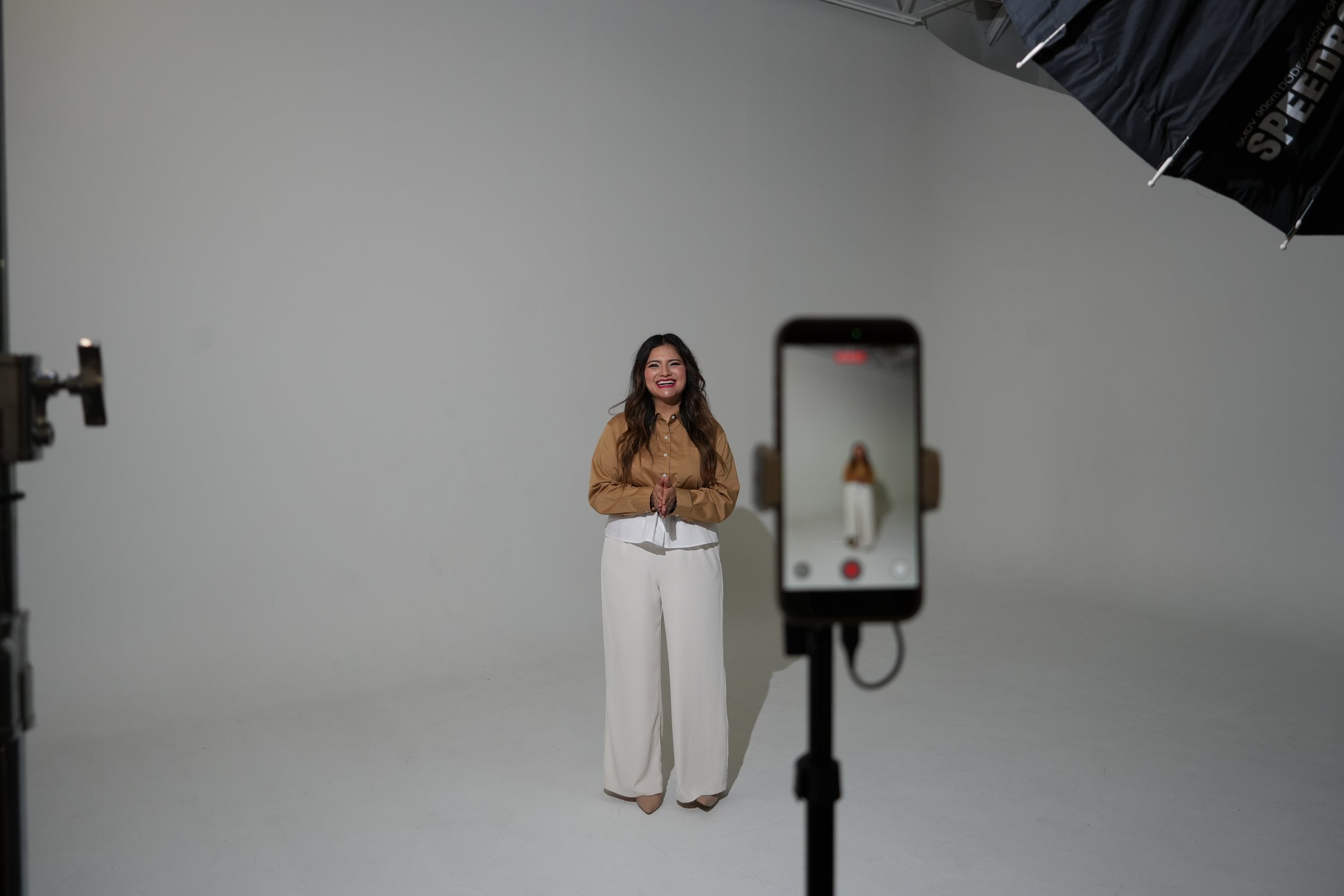
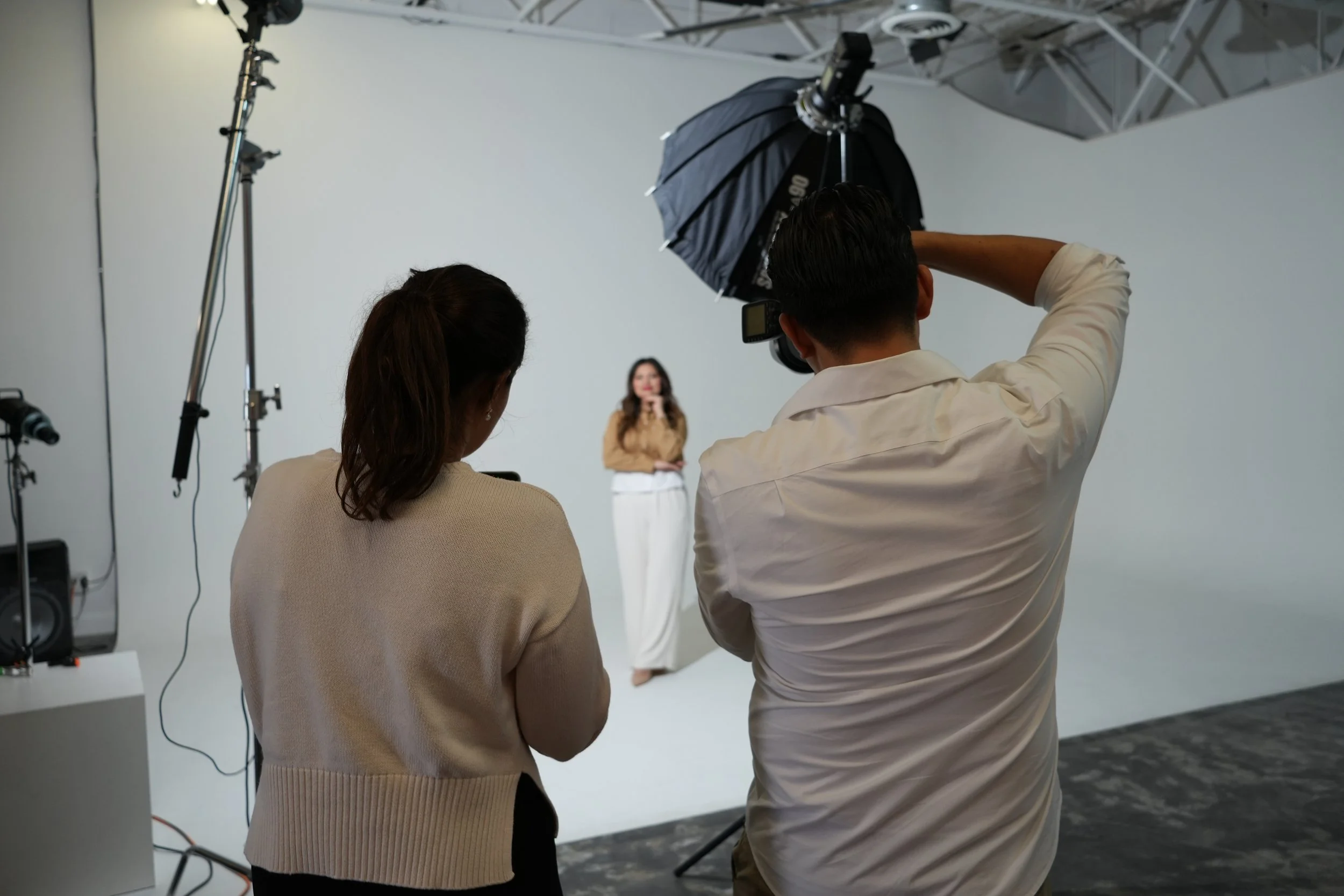
Evolution Is Inevitable: Welcome to The Ana Cruz Show
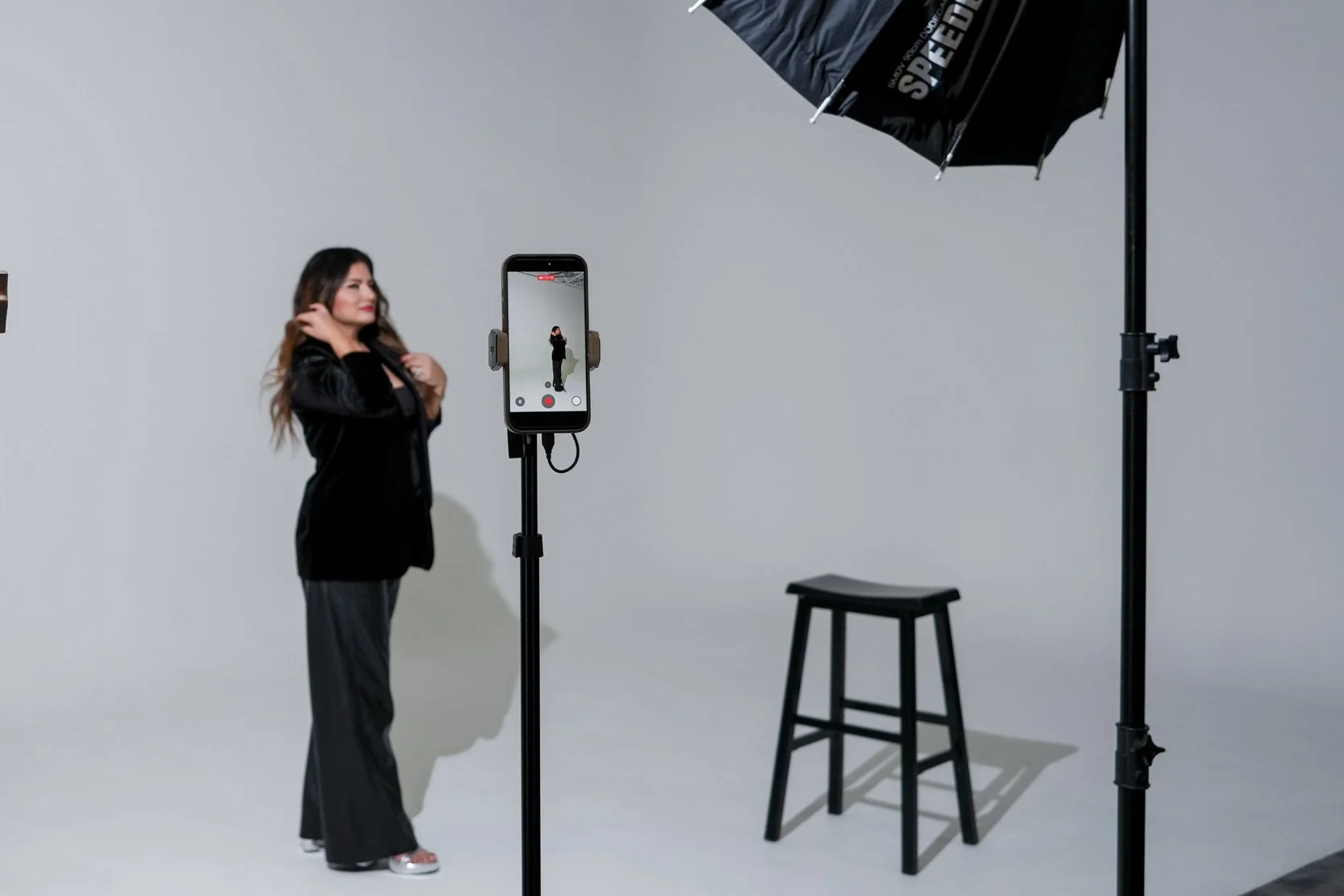
Photo by Alex Hernandez Photography
By Ana Cruz
A Media Essay on Voice, Power, and Refusing to Stay Small
Latina women in the United States are rarely granted narrative complexity. More often, they are flattened into archetypes—palatable, loud, hyper-visible, or conveniently silent. This podcast was born as a refusal. A rejection of the idea that Latina identity must be edited to be consumable.
That intention was forged long before the podcast existed
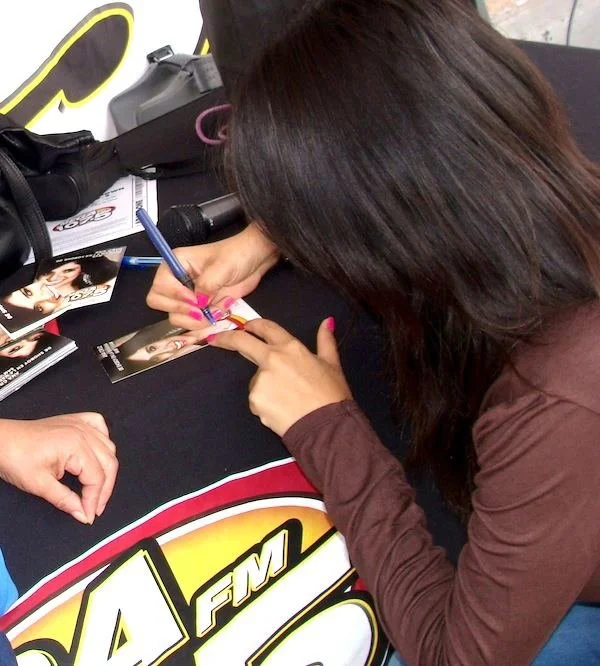
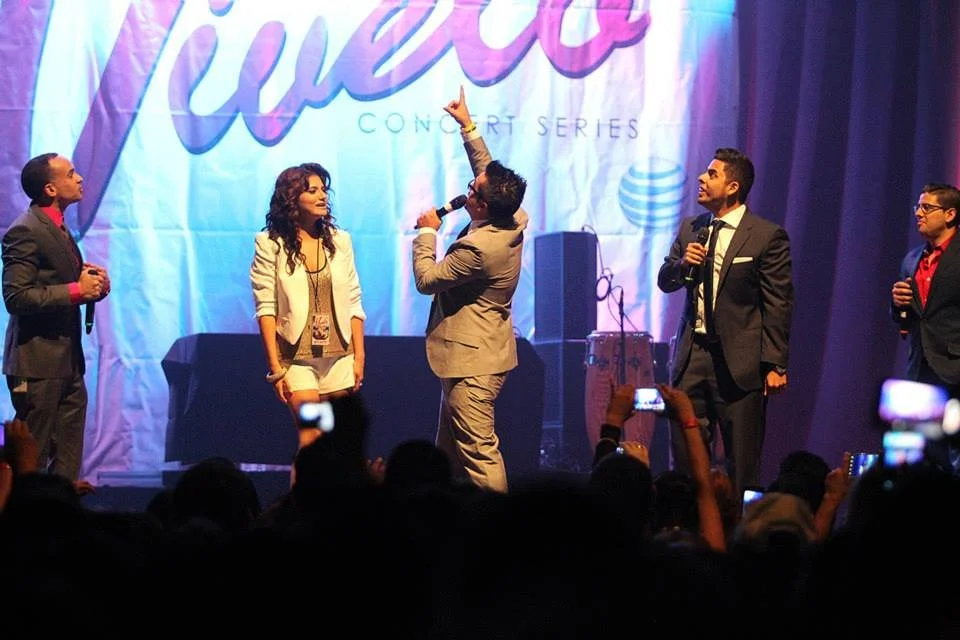
For years, I worked in Spanish-language radio in Dallas, where I had the privilege of co-hosting one of the most successful shows in the market. The experience brought recognition, including a Marconi Award, and it also brought clarity. I learned the mechanics of mass media, the power of the microphone, and the cost of visibility. I also learned how easily women—especially Latina women—can be reduced to performance.
When I was eventually let go for “not aligning with the new direction of the project,” the subtext was unmistakable. I refused to participate in a vulgar, infantilized portrayal of Latina women that prioritized shock over substance. I said no. That refusal cost me a job—but it gave me a voice that no longer required permission.
The start of “El Show de Ana Cruz”. In its earliest form, the project existed inside a closet. Literally. Armed with a microphone, a laptop, and an urgency to speak, I recorded the first episodes surrounded by hanging clothes and carpeted walls—an improvised studio that, ironically, offered better sound insulation than most professional spaces. What I lacked in resources, I compensated for with intention: to tell stories that had nowhere else to land.
Those first episodes were deeply personal. They were not curated for algorithms or shaped for mass appeal. They were confessions, conversations, and lived experience. I spoke openly about workplace discrimination, about navigating professional spaces where my voice and body were policed. I shared the grief of experiencing a miscarriage. I talked about love and vulnerability—about what it means to search for a life partner after 35, to rebuild hope, and to redefine timelines that society insists on enforcing. Those stories were not shared for sympathy. They were shared to create recognition.
The podcast became an act of rebellion. Then, a process of self-reclamation
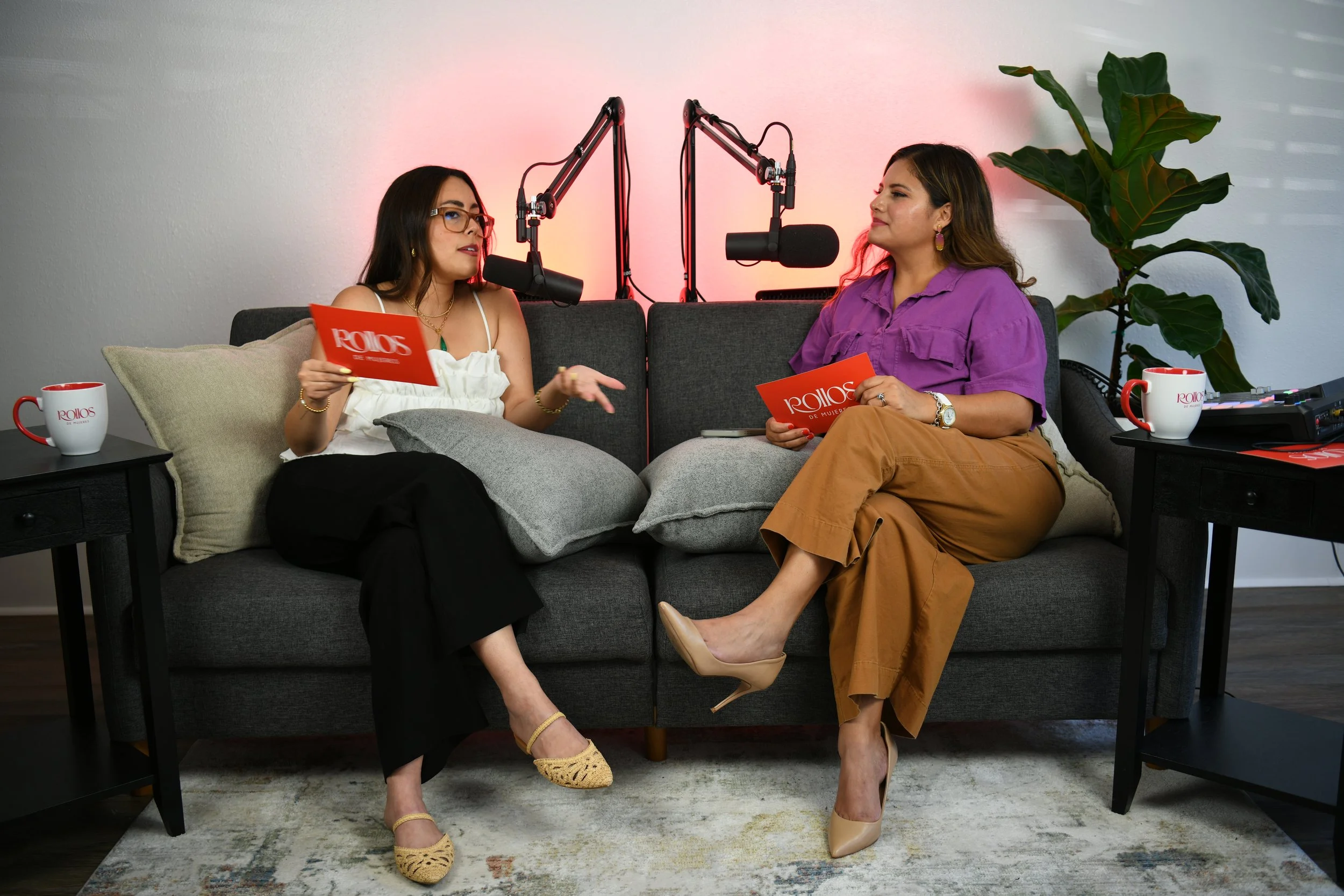
What followed was Rollos de Mujeres Podcast—a defining chapter that proved deeply enriching for both my audience and myself. It became a space where women felt heard rather than judged, where vulnerability was met with empathy, and where learning happened collectively. We didn’t speak at one another; we sat together.
We explored the conversations that are often postponed or silenced: divorce, menopause and perimenopause, motherhood, reaching our forties without losing ourselves, money, professional growth, and the quiet pressure to have everything figured out. It was a space of mutual recognition—of embracing uncertainty and learning side by side.
That chapter was also shaped by extraordinary guests whose expertise and life experiences left a lasting imprint. Women like Karina, who survived sexual abuse at the hands of her brother as a child and chose to reclaim her voice. Tomasa, whose life was irrevocably altered when her 15-year-old daughter attempted to take her own life. Vanessa, who paused a successful television career to prioritize her marriage and motherhood. Margie, who transformed her dyslexia into a superpower and built a thriving audiovisual production company. And Paola, an elite athlete ready to compete in the Olympic Games, whose dream was shattered by systemic corruption in Mexican sports.
Their stories were not content. They were testimony.
In 2025, the project shifted again
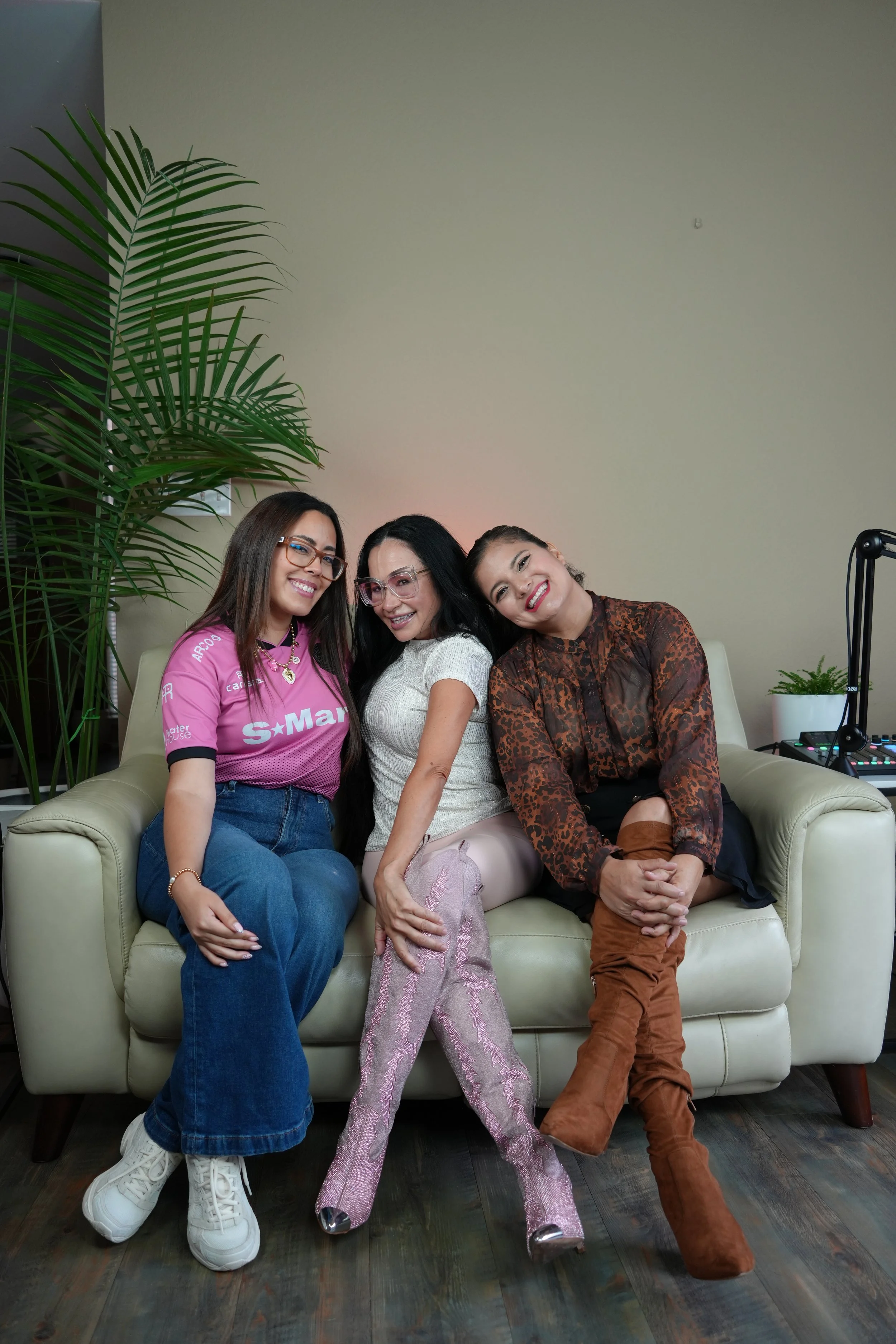
After several attempts to establish a permanent co-host—and after the invaluable contributions of many women who passed through this space, friends whose generosity and intellect shaped the project—I shared the microphone with Fer, a dear friend whose presence marked a new creative risk. Recording together required commitment that transcended convenience: multiple trips between Dallas and Washington, D.C., logistical sacrifices, and a willingness to sit in discomfort.
That discomfort was productive.
Half of the episodes transitioned into English—more precisely, Spanglish—under the experimental title Let’s Talk ROLLOS. This was not a strategic pivot. It was a psychological one. English represented a space I had postponed entering, despite knowing it was inevitable. Permission, it turns out, is often self-denied.
Yet evolution does not happen in silos
At some point, it became clear that a space designed to question power could not exclude half of the conversation. What was once conceived as a women-only platform expanded by necessity. I came to understand that for society to truly evolve, male representation is not optional—it is vital. Not as interruption or dominance, but as accountability, dialogue, and shared responsibility in the cultural narratives we interrogate.
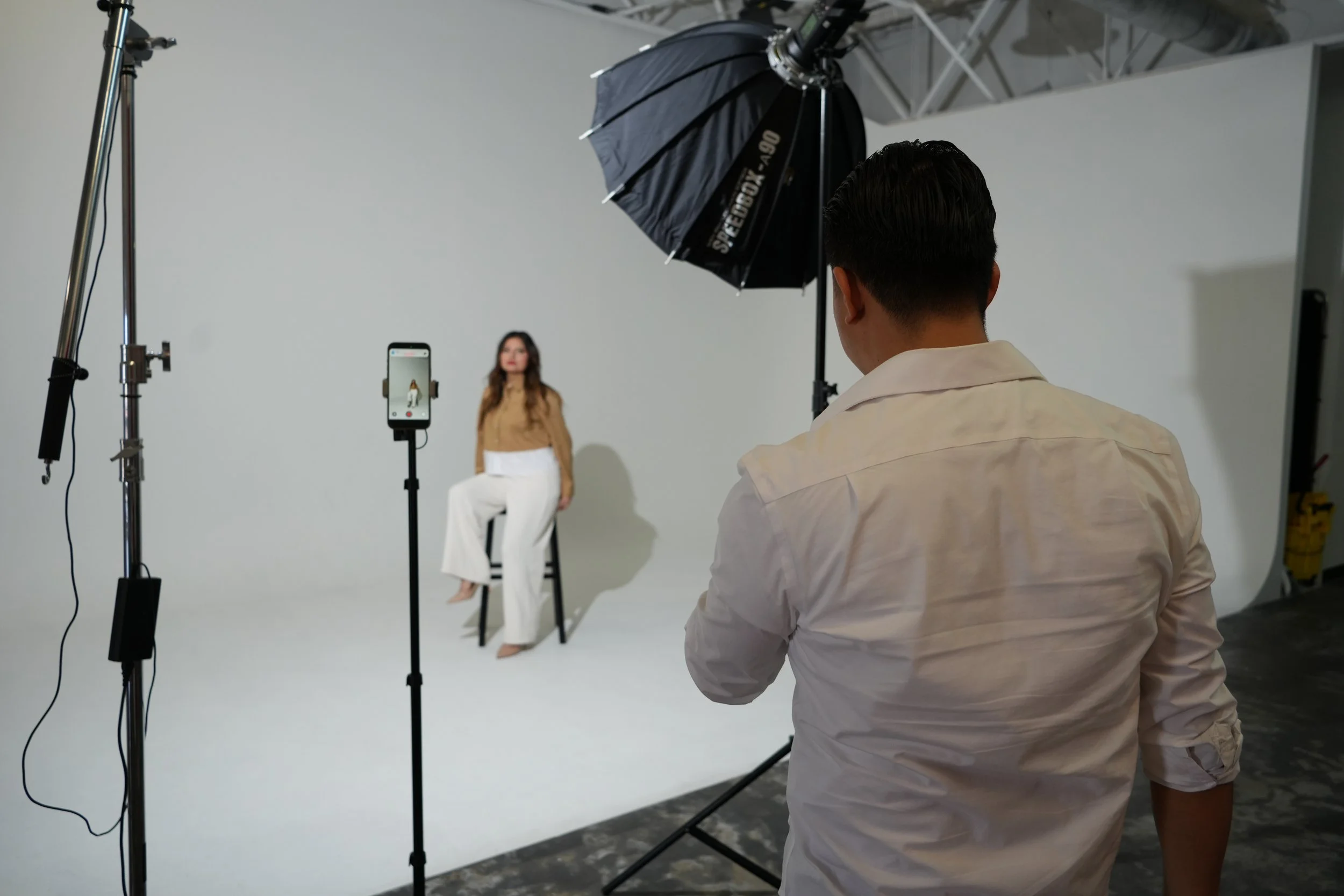
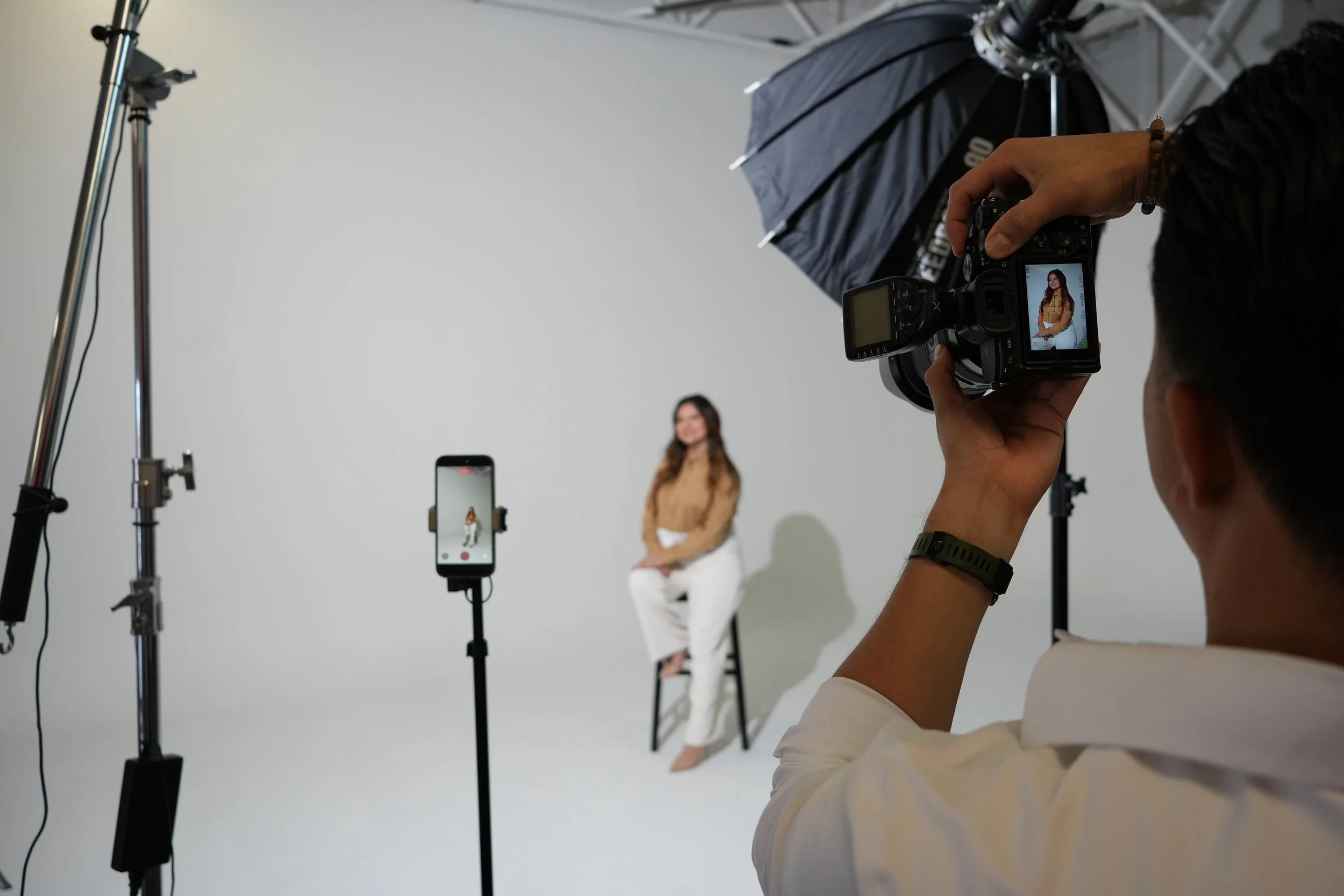
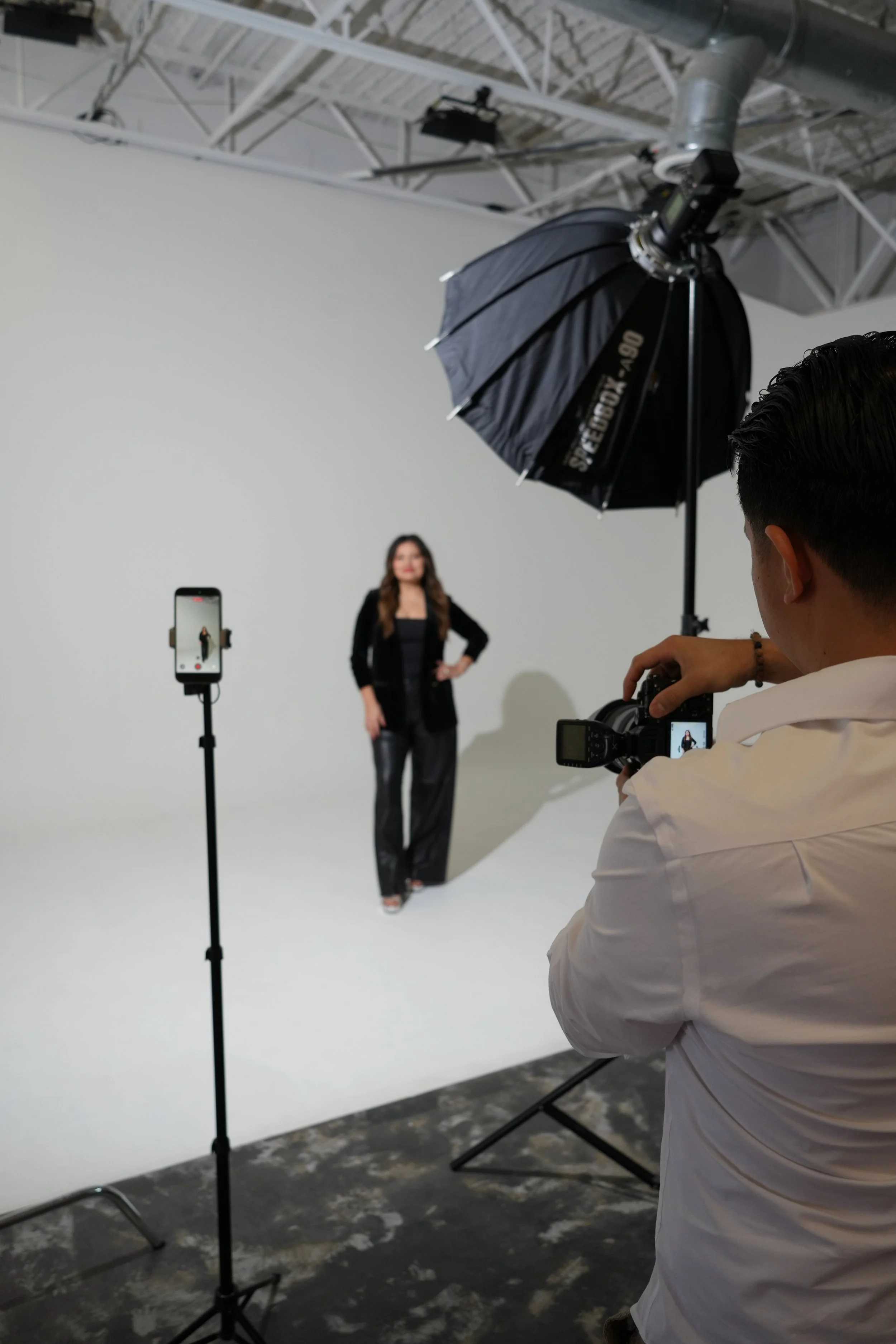
And so we arrive at 2026
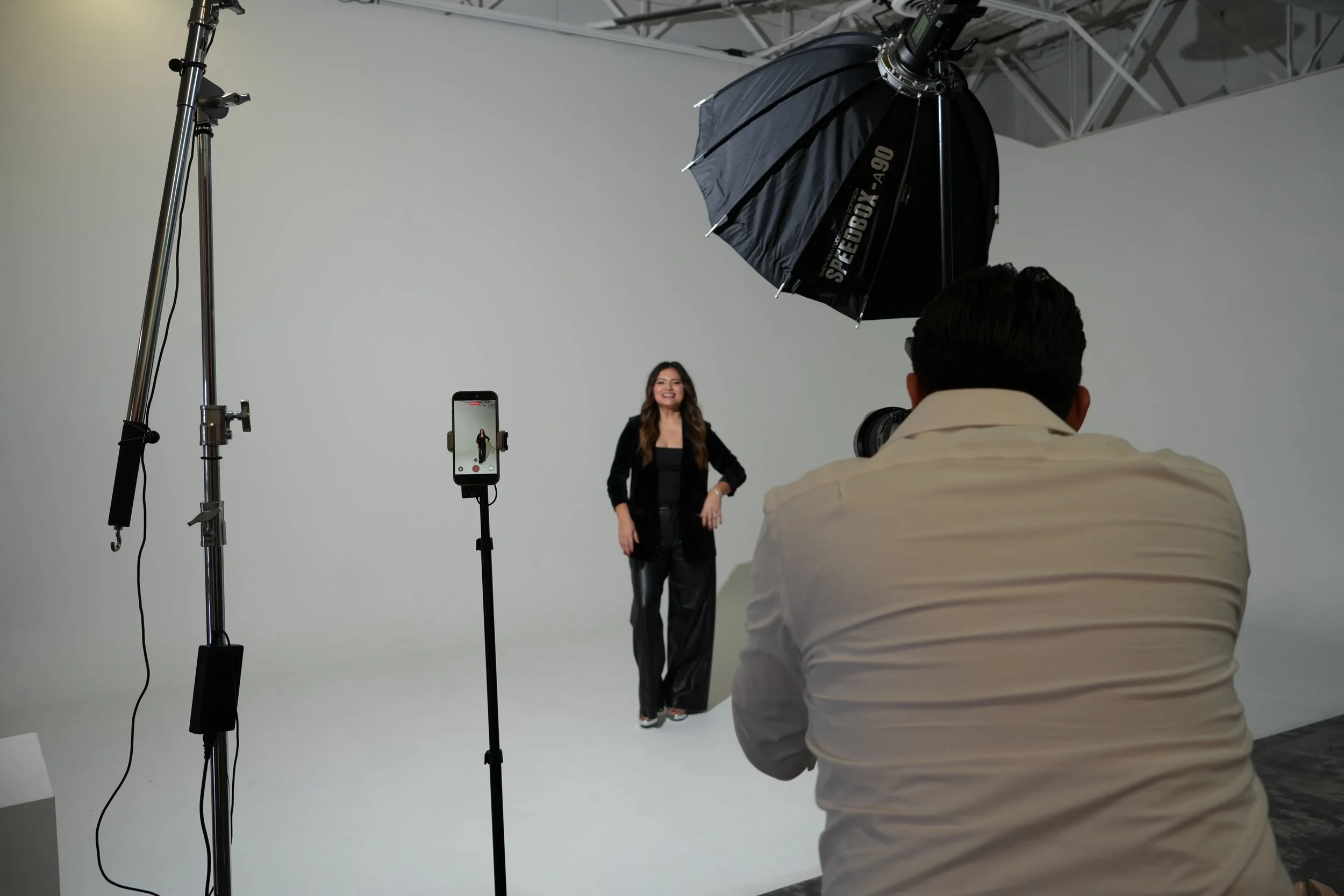
On January 22, 2026, the podcast returns as The Ana Cruz Show—not as a rebrand, but as a distillation. A cultural conversation space rooted in intellectual curiosity, media literacy, and the willingness to ask questions that are often discouraged. This iteration is less interested in consensus and more invested in understanding.
There is more English now. Not as departure, but as expansion. Identity is not diluted by language—it is multiplied by it.
This is a podcast that invites friction. One that values lived experience as much as critical thought. A place where I sit with people who are shaping culture, policy, art, and ideas—and allow their work, and my own assumptions, to be challenged in real time.
And I keep evolving. At 43, I find myself drawn to reading more, returning to the basics, engaging with books, human interactions, and the exchange of knowledge. I embrace disagreement as a tool for growth, seeking to understand not only what affects me personally but also the evolution of society, human behavior, theology, science, and medicine. I want to explore how our bodies function, how the food we consume shapes us, and the systems that influence our lives. This stage of my life is about curiosity without boundaries—and the podcast is a space to explore it all together, to question, learn, and evolve with every episode.
And for those who wish to trace the full arc of this evolution: every episode that laid the foundation of this project remains available. The personal stories. The collective healing. The conversations that dared to be honest long before they were comfortable. They can all still be heard—because evolution does not erase where we begin.
New episodes every Thursday
Available on all podcast platforms, YouTube, and rollosdemujeres.com.
A production of Rollos de Mujeres Media and proudly part of the SONORO podcast network.
Listen and subscribe here!
Evolution, after all, is not about becoming something new.
It is about finally refusing to stay small.